

Hey there! As a supplier of γ - cyclodextrin (γ - CDE), I often get asked about the side - effects of using this nifty little compound in drugs. So, I thought I'd sit down and write a blog post to share what I know with you all.
First off, let's quickly go over what γ - cyclodextrin is. Cyclodextrins are a group of cyclic oligosaccharides formed by glucopyranose units linked by α - 1,4 - glycosidic bonds. There are different types, like α - cyclodextrin CAS10016 - 20 - 3, Beta Cyclodextrin Cas 7585 - 39 - 9, and of course, Gamma Cyclodextrin CAS 17465 - 86 - 0. γ - CDE has a larger hydrophobic cavity compared to its counterparts, which gives it some unique properties.
In the pharmaceutical industry, γ - cyclodextrin is used for a bunch of reasons. It can enhance the solubility of poorly soluble drugs. You see, many drugs out there have low solubility in water, which can make it hard for them to be absorbed by the body. γ - CDE can form inclusion complexes with these drugs, kind of like a little molecular cage that wraps around the drug molecule. This helps the drug dissolve better in water, improving its bioavailability.
It also helps with the stability of drugs. Some drugs are sensitive to factors like light, heat, or oxidation. By forming an inclusion complex with γ - cyclodextrin, the drug is protected from these external factors, which can extend its shelf - life. And it can even mask the unpleasant taste or odor of some drugs, making them more palatable for patients.

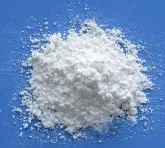
But what about the side - effects? Well, the good news is that γ - cyclodextrin is generally considered to be safe. It's a natural and biodegradable compound, which is a big plus. In most cases, when used in appropriate amounts, it doesn't cause any major problems.
However, like any substance, there can be some potential side - effects, although they are relatively rare. One of the possible issues is that in high doses, γ - cyclodextrin might interact with certain lipids in the body. The hydrophobic cavity of γ - CDE can bind to lipids, and if there's too much of it, it could potentially disrupt the normal lipid metabolism in the body. But this usually only happens when the doses are way higher than what's typically used in pharmaceutical applications.
Another thing to keep in mind is that some people might have an allergic reaction to γ - cyclodextrin. Allergies are always a possibility with any substance, but they are not very common. Symptoms of an allergic reaction could include itching, rash, swelling, or difficulty breathing. If you experience any of these symptoms after taking a drug that contains γ - cyclodextrin, it's important to seek medical attention right away.
When it comes to drug interactions, there's a chance that γ - cyclodextrin could interact with other drugs. Since it forms inclusion complexes, it might affect the way other drugs are absorbed, distributed, metabolized, or excreted in the body. But again, this is more of a theoretical concern, and in most cases, proper testing during the drug development process can identify and manage these potential interactions.
Regulatory bodies around the world have evaluated the safety of γ - cyclodextrin. For example, the U.S. Food and Drug Administration (FDA) has approved the use of γ - cyclodextrin in certain pharmaceutical products. This approval is based on extensive research and safety data, which shows that when used within the recommended limits, γ - cyclodextrin is a safe and effective excipient in drugs.
In conclusion, while there are some potential side - effects associated with the use of γ - cyclodextrin in drugs, they are generally rare and can be managed. The benefits of using γ - cyclodextrin, such as improved drug solubility, stability, and palatability, often outweigh the risks.
If you're in the pharmaceutical industry and are looking for a reliable supplier of high - quality γ - cyclodextrin, I'd love to talk to you. Whether you have questions about the product, need samples, or want to discuss a potential order, don't hesitate to reach out. We're committed to providing the best products and services to our customers.
References
- Stella, V. J., & He, Q. (2008). Applications of cyclodextrins. Toxicology and Applied Pharmacology, 225(3), 271 - 284.
- Loftsson, T., & Brewster, M. E. (1996). Pharmaceutical applications of cyclodextrins. 1. Drug solubilization and stabilization. Journal of Pharmaceutical Sciences, 85(10), 1017 - 1025.


