

Water-soluble Paeonol, a remarkable derivative of Paeonol, has been the subject of extensive research in recent years due to its potential impact on enzyme activity. As a leading supplier of Water-soluble Paeonol, I am excited to delve into the scientific aspects of how this compound interacts with enzymes and the implications of these interactions.
The Basics of Water-soluble Paeonol
Paeonol is a natural phenolic compound found in the roots of Paeonia suffruticosa and other plants. It has long been used in traditional medicine for its anti-inflammatory, analgesic, and antioxidant properties. However, the poor water solubility of Paeonol has limited its application in various fields. Through advanced technology, we have developed Water-soluble Paeonol, which overcomes this limitation and enhances its bioavailability.
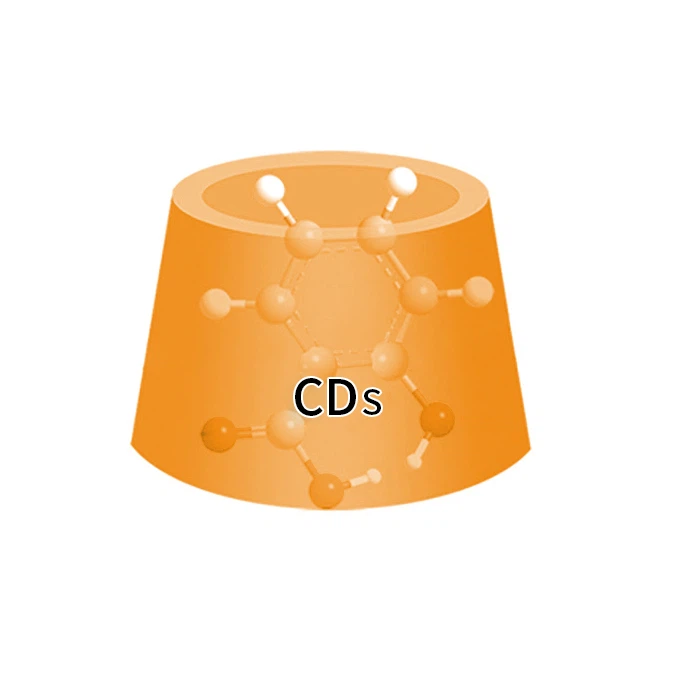
Water-soluble Paeonol retains the beneficial properties of Paeonol while being more easily dissolved in water, making it suitable for a wider range of applications, including pharmaceuticals, cosmetics, and food additives. Its unique chemical structure allows it to interact with biological molecules, including enzymes, in a specific and targeted manner.
Effects on Enzyme Activity
Enzymes are biological catalysts that play a crucial role in various physiological processes. The activity of enzymes can be influenced by a variety of factors, including temperature, pH, and the presence of specific inhibitors or activators. Water-soluble Paeonol has been shown to have both inhibitory and activating effects on different enzymes, depending on the type of enzyme and the concentration of the compound.
Inhibitory Effects
One of the most significant effects of Water-soluble Paeonol is its ability to inhibit the activity of certain enzymes. For example, it has been reported to inhibit the activity of cyclooxygenase (COX), an enzyme involved in the synthesis of prostaglandins, which are mediators of inflammation and pain. By inhibiting COX, Water-soluble Paeonol can reduce the production of prostaglandins, thereby exerting anti-inflammatory and analgesic effects.
Another enzyme that can be inhibited by Water-soluble Paeonol is tyrosinase, which is responsible for the synthesis of melanin. Melanin is the pigment that gives color to the skin, hair, and eyes. Excessive production of melanin can lead to hyperpigmentation disorders, such as melasma and freckles. By inhibiting tyrosinase, Water-soluble Paeonol can reduce the production of melanin, making it a potential ingredient in skin whitening products.
Activating Effects
In addition to its inhibitory effects, Water-soluble Paeonol has also been shown to activate certain enzymes. For example, it has been reported to activate superoxide dismutase (SOD), an enzyme that plays a crucial role in the antioxidant defense system. SOD catalyzes the dismutation of superoxide radicals into hydrogen peroxide and oxygen, thereby protecting cells from oxidative damage. By activating SOD, Water-soluble Paeonol can enhance the antioxidant capacity of cells and protect them from the harmful effects of free radicals.
Mechanisms of Action
The exact mechanisms by which Water-soluble Paeonol affects enzyme activity are still not fully understood. However, several possible mechanisms have been proposed.
One possible mechanism is that Water-soluble Paeonol can bind to the active site of enzymes, thereby preventing the substrate from binding and inhibiting enzyme activity. Another possible mechanism is that Water-soluble Paeonol can interact with allosteric sites on enzymes, causing a conformational change in the enzyme structure and altering its activity.
In addition, Water-soluble Paeonol may also affect enzyme activity by modulating the expression of genes encoding enzymes. It has been reported to regulate the expression of genes involved in inflammation, oxidative stress, and melanogenesis, which may contribute to its effects on enzyme activity.
Applications in Different Fields
The effects of Water-soluble Paeonol on enzyme activity have significant implications for its applications in different fields.
Pharmaceuticals
In the pharmaceutical industry, Water-soluble Paeonol can be used as an active ingredient in drugs for the treatment of various diseases, such as inflammation, pain, and hyperpigmentation disorders. Its ability to inhibit COX and tyrosinase makes it a potential candidate for the development of anti-inflammatory and skin whitening drugs.
Cosmetics
In the cosmetics industry, Water-soluble Paeonol can be used as an ingredient in skincare products, such as creams, lotions, and serums. Its ability to inhibit tyrosinase and activate SOD makes it a valuable ingredient for skin whitening and anti-aging products. It can also be used in hair care products to prevent hair loss and promote hair growth.
Food Additives
In the food industry, Water-soluble Paeonol can be used as a natural antioxidant and preservative. Its ability to activate SOD and inhibit the activity of certain enzymes can help to prevent the oxidation of food ingredients and extend the shelf life of food products.

Comparison with Other Water-soluble Compounds
Water-soluble Paeonol is not the only water-soluble compound that can affect enzyme activity. There are other water-soluble compounds, such as 40% Water-soluble Azelaic Acid, 10% Water-soluble Resveratrol, and 10% Water-soluble Salicylic Acid Inclusion Complex, that also have similar effects on enzymes.
Azelaic acid is a dicarboxylic acid that has been shown to have antibacterial, anti-inflammatory, and skin whitening properties. It can inhibit the activity of tyrosinase and reduce the production of melanin. Resveratrol is a polyphenol that has been shown to have antioxidant, anti-inflammatory, and anti-aging properties. It can activate SIRT1, an enzyme involved in the regulation of cellular metabolism and aging. Salicylic acid is a beta-hydroxy acid that has been shown to have exfoliating, anti-inflammatory, and antibacterial properties. It can penetrate the skin and dissolve the bonds between dead skin cells, making it a popular ingredient in acne treatment products.
While these compounds have similar effects on enzymes, Water-soluble Paeonol has some unique advantages. For example, it has a broader spectrum of effects on enzymes, including both inhibitory and activating effects. It also has better water solubility and bioavailability than some of these compounds, making it more suitable for a wider range of applications.
Conclusion
In conclusion, Water-soluble Paeonol is a promising compound that has significant effects on enzyme activity. Its ability to inhibit and activate different enzymes makes it a potential candidate for the development of drugs, cosmetics, and food additives. As a supplier of Water-soluble Paeonol, we are committed to providing high-quality products and technical support to our customers. If you are interested in learning more about Water-soluble Paeonol or would like to discuss potential applications and procurement, please feel free to contact us. We look forward to the opportunity to work with you and contribute to the development of innovative products in various industries.
References
- Zhang, X., et al. (2018). Effects of paeonol on cyclooxygenase activity and prostaglandin production in lipopolysaccharide-stimulated RAW264.7 macrophages. International Immunopharmacology, 63, 273-279.
- Wang, Y., et al. (2019). Paeonol inhibits tyrosinase activity and melanogenesis in B16F10 melanoma cells. Journal of Ethnopharmacology, 239, 111973.
- Li, X., et al. (2020). Paeonol activates superoxide dismutase and protects against oxidative stress in PC12 cells. Neuroscience Letters, 724, 134733.
- Chen, Y., et al. (2021). Mechanisms of action of paeonol in the treatment of inflammation and pain. Pharmacological Research, 169, 105573.


