



Cosmetic Raw Materials
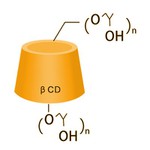
Salicylic acid, Azelaic acid, Menthol and other cosmetics raw material have poor water solubility and strong irritation to the skin, Through the cyclodextrin inclusion technology, can impove water solubility of salicylic acid, azelaic acid, can reduce irritation, can be better used in cosmetics and other related industries. Can remove acne, lighten spots, resist bacteria, anti-inflammatory, improve skin keratosis, regulate the function of Sebaceous gland, remove acne, regulate the balance of water and oil, whiten, tighten pores, and can be used to prepare cosmetics or drugs that contact the skin.
Zhiyuan: Your Trustworthy Cosmetic Raw Materials Manufacturer!
Shandong Binzhou Zhiyuan Biotechnology Co., Ltd is a leading direct supplier of cyclodextrin derivatives, cyclodextrin inclusion compounds and cyclodextrin reagents. Established in 2010, our company covers an area of 30,000 square meters, with a construction area of 10,000 square meters. We have our own GMP standard pharmaceutical excipient clean production workshop, a large pharmaceutical storage warehouse, and a quality inspection center. In addition, we have developed procedures for identifying the status of products at each stage and monitoring their raw materials, processes, quality testing, etc. to ensure that these products can be safely used in pharmaceuticals, food, cosmetics, spices, pesticides and other fields.
Rich Product Range
We have more than 70 kinds of cyclodextrins in 5 major series (natural cyclodextrins, cyclodextrin derivatives, cyclodextrin reagents, cyclodextrin complexes, and cyclodextrin polymers), and conduct research and development for different applications of new products.
Well Equipped
Our GMP workshop obtained the pharmaceutical production license in 2013 and passed ISO certification. It is currently equipped with ion chromatography (Ic), capillary electrophoresis (Ce), high-performance liquid chromatography, and Fourier transform infrared spectrometer (Ftir ) and other imported testing equipment.
Quality Assurance
All our products, including hydroxypropyl βdex, β-butanesulfonate sodium and hydroxypropyl γ-cyclodextrin, have been registered by DMF, approved by the US FDA, and have passed many standard certifications such as CP, USP, and EP.
Customizable Services
We have a complete R&D, quality inspection center and professional production team. We can customize the production of cyclodextrin products according to your needs, including their quantity, ingredients, packaging, and support OEM and ODM orders.


What Is Cosmetic Raw Materials?
Cosmetics raw materials are based on natural, synthetic or extracted roles of raw materials, heating processes, stirring and emulsified mixed chemical substances. Cosmetic Raw Materials is based on various materials and ingredients perform in accordance to the chemicals and its key functionalities. The main raw materials used to make cosmetics include oily materials, such as oils, fats, wax esters, and ester oils; surface active agents used for emulsifiers, solubilizing agents, etc. humectants, thickening agents, film formers, polymers used as powders, ultraviolet absorbents, antioxidants. Some other factors in raw materials that are important in the formulation of a natural cosmetic product include Proteins, Vitamins, Butter, Acids, Minerals and trace elements, Gums, Fragrances.

Multipurpose
Our wide range of cosmetic raw materials includes varying concentrations of salicylic acid, paeonol, which are popular ingredients in skin care formulas used to help control skin oiliness and can also be used as exfoliants and astringents.
Easy to Use
These raw materials are easily soluble and can be quickly added to solvent formulations in a variety of bases, including alcohol, water, glycerol or solvent mixtures, and remain stable over longer periods of time.
High Purity Grade
Our cosmetic raw materials are extracted from plant ingredients, have high purity grades, and have passed GMP certification. They are suitable for the production of products such as shampoo, facial cleanser, soap and conditioner.
Mild Ingredients
Recommended for external use only, these raw materials provide maximum stability to cosmetic formulations, are free of parabens, harmful skin-sensitizing ingredients, and are non-toxic.
Types of Cosmetic Raw Materials
Functional Ingredients
Any cosmetic formula relies on functional ingredients as its base. They are required for the product to work properly. Depending on the type of product you are trying to formulate, the amount of functional ingredients present in the product will vary depending on the desired results.
An example of a functional ingredient:
Water: The most common functional ingredient in cosmetic formulations is water. Many cosmetics use it as foundation.
Thickeners: Thickeners are used to increase the viscosity of a product, making it easier to spread and giving it a luscious texture. Carbomer and xanthan gum are two examples of thickeners.
Emollients: Emollients are skin moisturizers and softeners. They form a protective barrier on the skin, preventing moisture loss. Shea butter and jojoba oil are examples of emollients.
Surfactants: Surfactants are used in cleaning products to create foam. They also aid in the emulsification of oil and water-based substances. Surfactants such as sodium lauryl sulfate and cocamidobetaine are examples of surfactants.
The structure of a product is provided by its structural components. They help improve the texture and consistency of the product. Examples of structural components include.
Viscosity Modifier: An ingredient that changes the viscosity of a product. They can be used to thicken or dilute products depending on the desired results. Gums, cetyl alcohol, stearic acid and carnauba wax are examples of viscosity modifiers.
Film Formers: These ingredients are used to form a protective barrier on the skin. They help keep skin moisturized by preventing water loss. Acrylates and polymers are examples of film formers.

Supporting Ingredients

To increase stability, cosmetic formulas include supportive ingredients. They help maintain the integrity of the product and prevent it from degrading. Examples of supporting ingredients include.
Preservatives: Preservatives are used in cosmetic formulas to prevent the growth of bacteria and fungi. They help extend the shelf life of the product. Preservatives such as phenoxy alcohols and parabens are examples of preservatives.
Acid: Used to lower the pH of a substance. They help create an acidic environment that is unfriendly to bacteria and fungi. Citric acid and lactic acid are two examples of acids.
Alkali: Used to increase the pH value of a substance. They help create an alkaline environment that is unfriendly to bacteria and fungi. Potassium hydroxide and sodium hydroxide are two examples of bases.
Extra Content
To appeal to the target market, cosmetic formulas often include additional ingredients. They do not have any functional structure and only add a small amount. Examples of adding extra functionality include.
Extract: They are added to products to create distinctive features. Green tea extract and aloe vera extract are two examples of extracts.
Flavors: Flavors are used to give products a wonderful aroma. They help improve the sensory appeal of a product, making it more attractive to consumers. Fragrances can be produced from natural or synthetic sources and are usually used sparingly.
Preservatives: Preservatives are added to cosmetic formulas to prevent the growth of microorganisms and extend the shelf life of the product. Parabens, formaldehyde releasing agents and benzyl alcohol are commonly used preservatives in cosmetics.
Acids and Bases: Ingredients used to change the pH of a product. The pH of cosmetics is crucial as it changes the stability and efficacy of the product. For example, acidic products are better for exfoliating and treating acne, while alkaline products are better for moisturizing and treating dry skin. Citric acid and lactic acid are the main acids in cosmetics, while sodium hydroxide and triethanolamine are commonly used bases.
Factors to Consider When Choose Cosmetic Raw Materials


Functionality and Efficacy Claims
The choice of a raw material generally begins with its desired functionality in the product formulation which includes properties like emulsification, moisturization, cleansing, thickening, coloring, fragrance or preservation. The nature of product form and packaging (cream, gel, hot pour, spray, stick, etc.) impacts how the product is dispensed, applied and feels to the consumer representing additional concerns when selecting ingredients.
A good technical data sheet or other literature from a supplier will indicate known incompatibilities and stability issues like pH limitations, potential for oxidation, hot/cold tolerance, and lightfastness (which is of specific importance to colorants) so that these conditions can be avoided. For example, potassium sorbate is becoming more widely used but must be converted to sorbic acid by lowering formula pH below 4.5 to be effective but being that it is an unsaturated fatty acid it is subject to oxidation and can also turn a solution yellow.
Safety and Regulatory Compliance
Cosmetic ingredient suppliers often have safety data on their products and additional safety data may be found in published in scientific journals or historical literature as many ingredients have a long history of safe use. Cosmetic Ingredient Reviews (CIR) are, by far, one of the best resources for information about the safety of individual ingredients. They provide a comprehensive, critical review of relevant studies and are conducted by an expert panel of scientists including toxicologists and medical professionals. The CIR process was established by the Personal Care Products Council with the support of the US Food and Drug Administration (USFDA) and follows the methodology of the USFDA’s over-the-counter drug review. Complete CIRs are published in the peer-reviewed literature (the International Journal of Toxicology) and fully available to the public. Consulting CIRs should be one of the first steps in evaluating the use of a cosmetic ingredient.
Availability
Incorporating rare ingredients or cutting-edge technologies can provide a substantial competitive advantage in an extremely crowded marketplace but when inventory of that material depends on a single supplier or manufacturing location the impacts of supply chain disruption can be severe. Exotic extracts and oils that are sourced only from specific geographic locations can also leave you vulnerable to supply chain interruptions and may not make the most sense in terms of sustainability due to the carbon footprint of transportation. The COVID pandemic has exposed supply chain vulnerabilities for even some of the most commonplace raw materials and lead to increasing costs due to transportation bottlenecks and labor shortages.
Minimum Order Quantities (MOQ)
Minimum order quantities represent the smallest amount of raw material a supplier is willing to sell per order and that may not always align with your manufacturing or inventory plans. While they may be frustrating, MOQs are put in place for good reason. Suppliers need to cover the cost of business without compromising on quality and service.
Specifications and Quality
A sign of supplier commitment to quality is certification according to International Organization for Standardization (abbreviated as ISO) 9001. ISO 9001 standard sets out criteria for a Quality Management System (QMS) and mandates a process of continuous improvement which reduces errors, increases efficiencies and ensures consistent delivery of goods that meet customer requirements. ISO 9001 requires documentation of processes and procedures along with calibration of measuring and testing equipment, also referred to as measurement traceability.
Green Certifications and Retailer Requirements
Today’s consumer desires products that are more than just efficacious, they want to use their money wisely and align purchases with their values. Green, sustainable, cruelty-free, ethically-sourced represent some of these claims. The number and types of certifications for these claims is growing. Much like the debate around the definition of natural cosmetics in the aughts, eventually a few of these new certifications will shake out as the most meaningful to the consumer.
Checking Raw Materials for Quality
Raw materials should meet quality standards and have documentation to ensure their safety is easily traceable. Here are some things to include in your workflow when managing raw materials.
- Keep raw materials well organized and clearly labeled
- Include batch/lot information on labels so you can trace materials
- Regularly take stock of inventory and investigate discrepancies
- Your product’s raw materials aren’t just important during the initial formulation. They also play a significant role in reformulating cosmetics.
Companies may need to reformulate a product based on various factors. For example, a shift in consumer demands or supply chain constraints may be causes for reformulation. When this happens, it’s imperative that formulators incorporate replacements that do not cause the product to fall out of quality standards. Developing a method to manage your raw material quality prevents these unintended mishaps.
Checking Ingredients for Compliance
Companies should be familiar with ingredient regulations for regions they want to sell their products in. You should only include ingredients allowed in your target markets.
- Your company’s Responsible Person (RP) should act as the gatekeeper of your cosmetics. The RP must be vigilant about monitoring your product's ingredients, assuring the cosmetic's intended use and exposure to ingredients are safe.
- REGULATION (EC) No 1223/2009 catalogues whether cosmetics on the EU market can contain certain ingredients.
- Annex II of the regulation includes an extensive list of prohibited ingredients. Conversely, Annex VI provides a list of allowed color additives.
- For example, France recently announced its intention to initiate proceedings that could prohibit Cannabidiol (CBD) in cosmetics marketed in Europe. Companies currently marketing CBD-containing cosmetics would need to adjust their formulas to continue selling those products in the EU.
Developing a System for Formulation Compliance Checks
It can be easy to overlook small details when bringing a cosmetic product from formulation to market. Unfortunately, minor infractions with your raw materials or their ingredients could cause major issues. These issues could prevent your product from landing into consumers’ hands. One way to systematize compliance is to employ software that automates the process, reducing the likelihood of human error. You can use a platform like Product Manager to monitor compliance at the raw material stage. You can also store and manage associated documentation for your raw materials and ingredients.
Incorporating automation into your compliance strategy can help you remain confident that your cosmetic's raw materials and their ingredients align with applicable regulations in the EU and beyond.
Certificate Photo


Factory Photo


FAQ of Cosmetic Raw Materials
Q: What are cosmetics made up of?
Q: What are the examples of cosmetic products?
Q: What are the raw materials for moisturizing?
Q: What is the main ingredient in cosmetics?
Q: How are cosmetic ingredients made?
Q: What is the function of preservatives in cosmetic raw materials?
Q: What are the commonly used emollients in cosmetics?
Q: What are the commonly used emulsifiers in cosmetics?
Q: What are the surfactants?
Q: What is the most common surfactant?
Q: What is the role of thickeners in cosmetic formulations?
Q: How do humectants benefit the skin in cosmetic formulations?
Q: What are extracts in cosmetics?
Q: What are the extracts good for skincare?
Q: What are the uses of natural products in cosmetics?
Q: What herbs are used in cosmetics?
Q: What is the function of fragrance in cosmetic formulations?
Q: What is the role of silicones in cosmetics?
Q: What is the difference between hydrophilic and lipophilic ingredients in cosmetics?
Q: What are the commonly used pigments and dyes in cosmetics?