



10% Water-soluble Salicylic Acid Inclusion Complex
Zhiyuan: Your Trustworthy 40% Water-soluble Salicylic Acid Manufacturer!
Shandong Binzhou Zhiyuan Biotechnology Co., Ltd is a reputable supplier specializing in cyclodextrin derivatives, cyclodextrin inclusion compounds, and cyclodextrin reagents. Since its establishment in 2010, our company has been dedicated to providing high-quality products to our customers.
Our facilities cover an area of 30,000 square meters, with a construction area of 10,000 square meters. Within our premises, we have established a GMP standard pharmaceutical excipient clean production workshop, a spacious pharmaceutical storage warehouse, and a state-of-the-art quality inspection center.
To ensure the safety and reliability of our products, we have implemented stringent procedures for product evaluation at each stage, including monitoring raw materials, manufacturing processes, and quality testing. These measures ensure that our cyclodextrin derivatives can be safely utilized in various industries, such as pharmaceuticals, food, cosmetics, spices, and pesticides.
We take pride in our commitment to delivering top-notch cyclodextrin-based solutions to meet the diverse needs of our customers, while adhering to the highest quality standards in the industry.
Rich Product Range
Our product portfolio encompasses over 70 diverse cyclodextrins, classified into five primary categories: natural cyclodextrins, cyclodextrin derivatives, cyclodextrin reagents, cyclodextrin complexes, and cyclodextrin polymers. Additionally, we actively engage in ongoing research and development endeavors to explore novel applications for our products.
Our dedicated research and development efforts focus on discovering innovative applications for our product line, ensuring that we continually meet the evolving needs of our customers.
Well Equipped
Our GMP workshop obtained the pharmaceutical production license in 2013 and passed ISO certification. It is currently equipped with ion chromatography (Ic), capillary electrophoresis (Ce), high-performance liquid chromatography, and Fourier transform infrared spectrometer (Ftir ) and other imported testing equipment.
Quality Control
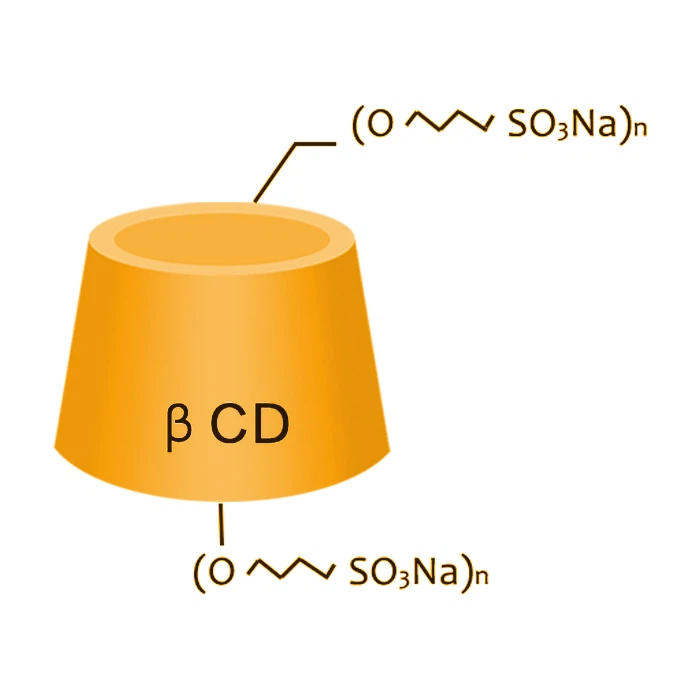
All of our products, including hydroxypropyl betadex, betadex sulfobutyl ether sodium and hydroxypropyl γ-cyclodextrin, have been registered by DMF, approved by the US FDA, and have passed many standard certifications such as CP, USP, and EP.
Customizable Services
We possess a comprehensive research and development (R&D) division, a quality inspection center, and a highly skilled production team. Our capabilities allow us to offer customized production of cyclodextrin products tailored to your specific requirements. This includes customization of quantities, ingredients, packaging, and we are capable of accommodating both OEM and ODM orders.

Hydroxypropyl Alpha Cyclodextrin
Hydroxypropyl alpha cyclodextrin is a modified form of alpha cyclodextrin that is widely used in industries such as fine chemicals, cosmetics, and industrial applications. It improves the solubility, stability, and delivery of hydrophobic substances. It finds applications in pharmaceuticals, agrochemicals, skincare products, and the production of flavors and fragrances. Its versatile properties make it valuable for enhancing product performance in various industries.

40% Water-soluble Salicylic Acid
Shandong Binzhou Zhiyuan Biotechnology Co., Ltd. produces a highly concentrated, 40% water-soluble Salicylic acid that is extensively used in skincare products. Due to its high content, only a small amount is required in formulations.
When added to water at room temperature, it readily dissolves with gentle stirring, resulting in a clear and transparent aqueous solution. This makes it convenient for formulation and ensures optimal dispersion of the Salicylic acid in skincare products.

Water-soluble Menthol Inclusion Complex
Water-soluble menthol inclusion complex is a specialized product that prevents menthol loss and enhances its water solubility. It is primarily used in cavity health products, tobacco, and related industries to maintain menthol's effectiveness and improve its incorporation into water-based formulations.

50% Salicylic Acid Inclusion Complex
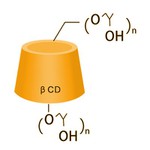
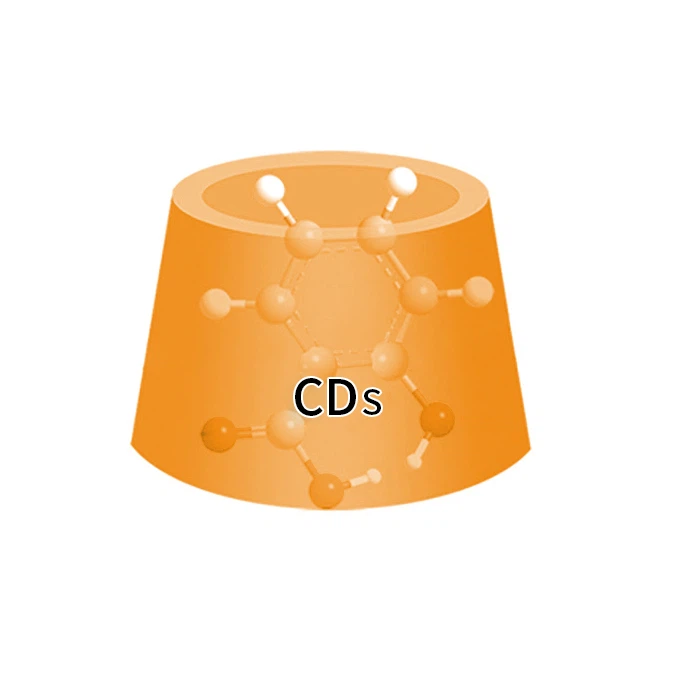
Salicylic acid inclusion complexes are formed by combining β-cyclodextrin and salicylic acid, a nonsteroidal anti-inflammatory drug, resulting in a product with a salicylic acid content of 50%. These complexes offer the ability to modulate the release rate of salicylic acid when applied to the skin's surface. Consequently, they find applications in both the medical and daily chemical industries.

10% Water-soluble Salicylic Acid Inclusion Complex
The 10% water-soluble salicylic acid inclusion complex is a solution utilized in the medical, agricultural, and chemical industries. It has the ability to penetrate the pores of the skin and dissolve dead skin cells and flaky skin, which can contribute to pore blockages. Salicylic acid is commonly found in over-the-counter acne treatments as well.

60% Water-soluble Azelaic Acid
60% water-soluble azelaic acid is a naturally occurring compound that can dissolve in water. It is commonly used to treat acne and rosacea. With its anti-inflammatory and antioxidant properties, it can reduce inflammation, neutralize free radicals, and provide soothing effects for the skin.
40% water-soluble salicylic acid is a chemical compound that contains 40% salicylic acid and can dissolve in water. It has various uses in skincare, acne treatment, and chemical peels. It is a white crystalline powder or crystal needles that are not easily soluble in water at room temperature. However, it dissolves well in water with a pH of 3 and is more soluble in hot water, alcohol, ether, and chloroform. It acts as an exfoliating agent, removing dead skin cells, which can improve the appearance of aging skin and unclog pores. It can be used in the preparation of skincare products like lotions, creams, and water-based formulations. It is used for sterilization, relieving itching, cleansing pores, and promoting the renewal and softening of the skin's outer layer.
Difference between it and Korean 40% salicylic acid?
Through the Chinese Pharmacopoeia titration test results, it was found that the content of our 40% water-soluble salicylic acid is in the range of 38-42%, but the content of South Korea's 40% salicylic acid is less than 10%.
Features of 40% Water-soluble Salicylic Acid
Stable Status
Our water-soluble salicylic acid boasts a remarkable salicylic acid content of up to 40% and exhibits excellent solubility in water. When incorporating it into skincare formulations, it can be added directly during the cooling stage. This ensures seamless integration without any concerns of precipitation or crystallization. The high solubility and stability of our water-soluble salicylic acid guarantee its effective performance in skincare products, offering reliable results for your formulations.
Wide Application
Salicylic acids are widely used in skincare products like toners, cleansers, creams, lotions, and serums to benefit oily and acne-prone skin. They help unclog pores, exfoliate the skin, and reduce acne, resulting in a clearer and smoother complexion.
Rich Specifications
These water-soluble salicylic acids are stored and transported in sealed packages and are supplied in different packaging forms, including 1kg, 500G, 100g, 50g, and 10G. In addition, their content concentrations can be customized according to customers' different uses.
Easy to Store
Water-soluble salicylic acid has excellent stability and a prolonged shelf life when stored in cool and dry conditions. To maintain its quality, it is recommended to store it in a dry, light-proof, and airtight container. It is important to keep the storage temperature below 25 degrees Celsius to prevent any potential degradation or loss of potency. By following these storage guidelines, the water-soluble salicylic acid can retain its efficacy and remain suitable for use over an extended period.
Application of Water-soluble Salicylic Acid
It Exfoliates
One of the key features of 40% water-soluble salicylic acid is its exfoliating properties. Salicylic acid is a beta-hydroxy acid (BHA) that can effectively penetrate the skin and exfoliate the outermost layer of dead skin cells. By gently removing these dead cells, salicylic acid helps to unclog pores, prevent the formation of acne, and promote a smoother and more radiant complexion.
The exfoliating action of salicylic acid also helps to improve skin texture, diminish the appearance of fine lines and wrinkles, and reduce the visibility of acne scars and hyperpigmentation. Regular use of salicylic acid can result in a fresher, brighter, and more even-toned complexion.
It is important to note that while exfoliation can bring significant benefits to the skin, it is essential to use salicylic acid products as directed and in moderation to avoid over-exfoliation, which can lead to skin irritation or sensitivity. Consulting with a dermatologist or skincare professional can help determine the appropriate concentration and frequency of use for your specific skin needs.
Shedding dead skin cells leads to:
- Brighter-looking skin
- Improved skin texture
- Enhanced overall glow
Over time, proper exfoliation can help fade:
- Acne scars
- Age spots
- Sun damage (freckles and melasma)
Older research from 2012 confirmed that salicylic acid treatments could reduce the number of pimples and blackheads. To understand why it helps, it is important to know what causes breakouts in the first place.
The benefits of salicylic acid for mild acne-prone skin cannot be overstated. In addition to managing excess oil, salicylic acid is non-comedogenic, meaning it won't clog pores further. Individuals with oily skin types and mild acne-prone skin often experience blemishes. Shallow blemishes, in particular, develop on the skin's surface when there is a buildup of oil and dead skin cells in the pore or hair follicle. Salicylic acid penetrates deep into the pore, dissolving the bonds between these dead skin cells and promoting healthier, clearer skin on the surface.

It mitigate inflammation in the skin

Exfoliation helps to mitigate inflammation in the skin. By removing dead skin cells and unclogging pores, exfoliation can reduce the accumulation of bacteria and impurities that contribute to skin inflammation. This can result in a soothing effect and promote a more balanced complexion.
Additionally, exfoliating agents such as salicylic acid or enzymes may possess anti-inflammatory properties themselves. These ingredients can help alleviate redness, irritation, and swelling associated with inflammatory skin conditions.
It's important to note that employing proper exfoliation techniques and using suitable products is crucial to prevent excessive or aggressive exfoliation, which could potentially exacerbate inflammation or cause skin sensitivity.
It Helps Remove Excess Oil
People who experience oily skin struggle with overactive sebaceous glands which cause excess sebum production on the skin's surface. If oil continues to build up on the skin, it can lead to blemishes or mild acne-prone skin. Salicylic acid benefits oily skin types because it helps to purify the skin by clearing blocked pores that contribute to excessive amounts of oil. Salicylic acid isn't just for smooth, zit-free skin.
Its exfoliating properties help it soothe other conditions, including:
- Dandruff
- Seborrheic dermatitis
- Psoriasis
- Plantar warts and common warts
- Calluses
Types of Water-soluble Salicylic Acid
Natural Salicylic Acid
Natural salicylic acid is a natural organic acid found in plants like willow bark and wintergreen leaves. It's a beta-hydroxy acid (BHA) that can help exfoliate and unclog pores. It also has antibacterial and anti-inflammatory properties. Salicylic acid prepared from natural salicylate may have a slight yellow or pink tint and a faint wintergreen-like odor. It is often used in natural skincare products and has anti-inflammatory and anti-bacterial properties.
Synthetic Salicylic Acid
Synthetic salicylic acid is a white, odorless substance that is stable in the air. It has a sweet taste that turns acrid. It is produced artificially and is commonly used in over-the-counter acne treatments. Synthetic salicylic acid is derived from the natural form, but it is typically more concentrated and can be more effective in treating acne. However, it can also cause irritation if overused.
Preparation Method of Water-soluble Salicylic Acid


Example 1
Weighing sorbic acid (40g, 0.36mol), dissolving in 160g deionized water, heating to 50 ℃, adding salicylic acid (50g, 0.36mol) 10 times, stirring for 1h after feeding is finished, adding 35g of methyl-beta-cyclodextrin after full reaction, keeping the temperature at 50 ℃ for 3h, and performing spray drying under the following drying conditions: the feeding temperature is 170 ℃, the sample introduction flow rate is 20mL/min, the air flow rate is 0.3MPa, and the discharging temperature is 80 ℃; obtaining the water-soluble salicylic acid.
Example 2
Weighing lactic acid (40g, 0.44mol), dissolving in 200g deionized water, heating to 55 ℃, adding salicylic acid (50g, 0.36mol) for 8 times, stirring for 1h after the feeding is finished, adding 35g of methyl-beta-cyclodextrin after full reaction, keeping the temperature for 3 hours at 55 ℃, and performing spray drying under the drying conditions: the feeding temperature is 170 ℃, the sample introduction flow rate is 20mL/min, the air flow rate is 0.3MPa, and the discharging temperature is 80 ℃; obtaining the water-soluble salicylic acid.
Example 3
Weighing gluconic acid (4kg, 20.39mol), dissolving in 20kg of deionized water, heating to 55 ℃, adding salicylic acid (5kg, 36.23mol) for 12 times, stirring for 1h after the feeding is finished, adding 3.5kg of methyl-beta-cyclodextrin after full reaction, preserving heat for 5h at 55 ℃, and performing spray drying to obtain the water-soluble salicylic acid. The drying conditions were: the feeding temperature is 170 ℃, the sample introduction flow rate is 20mL/min, the air flow rate is 0.3MPa, and the discharging temperature is 80 ℃; obtaining the water-soluble salicylic acid.
Example 4
Preparing water-soluble salicylic acid according to the method of example 1, wherein sorbic acid is 0.36mol and 0.18mol of sorbic acid respectively to obtain the water-soluble salicylic acid with the molar ratio of 1:1 and 2:1 of salicylic acid to sorbic acid respectively; preparing water-soluble salicylic acid according to the method of example 2, wherein the lactic acid is 0.36mol and 0.18mol of lactic acid respectively, to obtain water-soluble salicylic acid with the molar ratio of the salicylic acid to the lactic acid being 1:1 and 2:1 respectively; preparing water-soluble salicylic acid according to the method of example 3, wherein the gluconic acid is 36.23mol and 18.12mol of gluconic acid respectively, and obtaining the water-soluble salicylic acid with the molar ratio of the salicylic acid to the gluconic acid being 1:1 and 2:1 respectively; water-soluble salicylic acid was prepared according to the method of comparative example 1.
Example 5
Dissolving 5g of the water-soluble salicylic acid obtained in example 1 in 100mL of water, and stirring until the water-soluble salicylic acid is completely dissolved to obtain a water-soluble salicylic acid solution; respectively storing the obtained water-soluble salicylic acid solution at low temperature (less than or equal to 0 ℃), room temperature (24-26 ℃) and high temperature (60 ℃); after standing for two months, the water-soluble salicylic acid solution was observed and recorded once a week for color change in appearance.
The frequency of salicylic acid usage depends on various factors, including your skin type, sensitivity, and the specific product formulation. It's important to follow the instructions provided by the product manufacturer or consult with a dermatologist for personalized guidance. However, as a general guideline:
- Start slowly: If you are new to salicylic acid or have sensitive skin, it's advisable to start with a lower concentration and gradually increase the frequency of use. This allows your skin to acclimate and reduces the risk of irritation.
Daily or every other day: For some individuals, using salicylic acid once a day or every other day may be suitable. This frequency can help regulate oil production, prevent clogged pores, and address mild acne or skin texture concerns. However, it's crucial to monitor your skin's response and adjust accordingly.
- Spot treatments: If you are using salicylic acid for targeted treatment of specific areas, such as acne breakouts, you can apply it as a spot treatment only on the affected areas. This allows for more precise and controlled application.
Avoid overuse: Using salicylic acid too frequently or in high concentrations can lead to excessive drying or irritation. It's important to strike a balance and avoid overexfoliating your skin. If you experience any signs of irritation, such as redness, flaking, or discomfort, reduce the frequency or concentration of salicylic acid usage.
Remember to always follow the instructions provided with the product and listen to your skin's needs. If you have any concerns or doubts, consult with a dermatologist for personalized advice.
How to Pick the Right Skin-Care Acid for You?
Choosing the right skin-care acid for your needs involves considering factors such as your skin type, specific skin concerns, and desired outcomes. Here are some steps to help you pick the right skin-care acid:
- Understand your skin type and concerns: Assess your skin type (dry, oily, combination, sensitive) and identify your specific skin concerns (acne, hyperpigmentation, aging, dullness, etc.). This will help you narrow down the acids that target your specific needs.
- Research different types of acids: Familiarize yourself with the most common skin-care acids and their benefits. Some popular ones include:
- Glycolic Acid: A gentle exfoliating acid that improves skin texture and reduces the appearance of fine lines and wrinkles.
- Salicylic Acid: An oil-soluble acid that penetrates pores and helps treat acne, unclog pores, and reduce inflammation.
- Lactic Acid: A mild exfoliating acid that hydrates and brightens the skin while improving texture and reducing hyperpigmentation.
- Hyaluronic Acid: A hydrating acid that attracts and retains moisture in the skin, providing plumpness and hydration.
- Vitamin C (Ascorbic Acid): An antioxidant acid that brightens the skin, evens out skin tone, and boosts collagen production Research the benefits, potential side effects, and recommended uses for each acid to determine which aligns best with your skin concerns.
3.Consider sensitivity and tolerance: Some acids can be more irritating or harsh on certain skin types. If you have sensitive skin or are prone to irritation, you might want to start with milder acids and gradually build up tolerance. Patch testing on a small area of your skin can help determine your skin's reaction before applying it to your entire face.
4.Seek professional advice: If you're unsure or have complex skin concerns, it's recommended to consult with a dermatologist or skincare professional. They can assess your skin, provide personalized recommendations, and guide you in choosing the most suitable acid for your specific needs.
Certificate


Company Photo


Frequently Asked Questions of Salicylic Acid
Q: How does salicylic acid work on skin?
Q: How to use salicylic acid in skin care?
Q: What skin type is salicylic acid suitable for?
Q: Can salicylic acid skin care be used on the body?
Q: What naturally food has salicylic acid?
Q: Is it OK to use salicylic acid everyday?
Q: What is salicylic acid mainly used for?
Q: Is salicylic acid A BHA?
Q: Is salicylic acid safe to use during the day under sun exposure?
Q: Is it safe to use salicylic acid every day?
Q: Can i use salicylic acid on the face?
Q: Should you use salicylic acid in the morning or night?
Q: Is salicylic acid good for acne?
Q: Is salicylic acid soluble in water?
Q: Can you wash off salicylic acid with water?
Q: What is salicylic acid most soluble in?
Q: How do you mix salicylic acid in water?
Q: How long does salicylic acid take to unclog pores?
Q: Can salicylic acid remove dark spots?
Q: Does salicylic acid brighten skin?
Hot Tags: 10% water-soluble salicylic acid inclusion complex, China 10% water-soluble salicylic acid inclusion complex manufacturers, suppliers, natural cosmetic raw materials, cosmetic packaging raw materials, mineral cosmetic raw materials, thickener raw materials for cosmetics, 40 Water soluble Salicylic Acid, cosmetic chemicals
You Might Also Like


Send Inquiry