

Hey there! As a supplier of γ - cyclodextrin (γ - CDE), I'm super excited to share with you how this amazing compound can significantly improve the biocompatibility of medical devices.
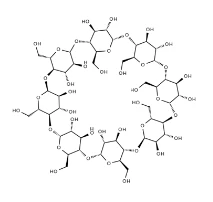
First off, let's get a basic understanding of what γ - cyclodextrin is. γ - cyclodextrin (γ - CD) is a cyclic oligosaccharide composed of eight glucose units linked by α - 1,4 - glycosidic bonds. You can find more detailed info about it on this page: γ - cyclodextrin (γ - CD). It has a unique toroidal structure with a hydrophobic cavity and a hydrophilic outer surface. This structure gives it some really cool properties that are super useful in the medical field.
What is Biocompatibility and Why is it Important for Medical Devices?
Biocompatibility refers to the ability of a medical device to perform its intended function without causing any adverse effects to the biological system. When a medical device is implanted or used in the body, it comes into contact with various biological components such as cells, tissues, and fluids. If the device isn't biocompatible, it can trigger immune responses, inflammation, or even rejection by the body. This can lead to serious health problems for the patient and limit the effectiveness of the medical device.
For example, a non - biocompatible catheter can cause blood clotting when it's inserted into a blood vessel. This not only blocks the catheter but can also lead to more severe issues like thrombosis. So, improving the biocompatibility of medical devices is crucial for their successful use and the well - being of patients.
How γ - Cyclodextrin Improves Biocompatibility
1. Reducing Protein Adsorption
One of the main reasons for the poor biocompatibility of medical devices is the adsorption of proteins on their surface. When a medical device is introduced into the body, proteins in the blood and tissues quickly attach to its surface. This protein layer can trigger immune responses and attract cells like platelets and macrophages, which can lead to inflammation and other complications.
γ - cyclodextrin can form inclusion complexes with proteins. The hydrophobic cavity of γ - cyclodextrin can encapsulate hydrophobic parts of the proteins, preventing them from adsorbing onto the surface of the medical device. By reducing protein adsorption, γ - cyclodextrin helps to minimize the immune response and inflammation, thus improving the biocompatibility of the device.

2. Controlling Drug Release
Many medical devices are designed to deliver drugs locally. However, an uncontrolled release of drugs can cause toxic effects to the surrounding tissues and cells. γ - cyclodextrin can be used as a drug carrier in medical devices. It forms inclusion complexes with drugs, which can control the release rate of the drugs.
For instance, in a drug - eluting stent, γ - cyclodextrin can encapsulate the anti - restenotic drug. The inclusion complex can release the drug slowly over time, ensuring a steady and therapeutic dose of the drug at the site of the stent. This not only improves the effectiveness of the drug but also reduces the potential toxic effects, enhancing the biocompatibility of the stent.
3. Improving Surface Hydrophilicity
The surface properties of a medical device play a crucial role in its biocompatibility. A hydrophobic surface tends to adsorb more proteins and cells, leading to a stronger immune response. γ - cyclodextrin has a hydrophilic outer surface. When it's incorporated into the surface of a medical device, it can increase the surface hydrophilicity.
A more hydrophilic surface is less likely to adsorb proteins and cells. It also allows for better interaction with the surrounding biological fluids, reducing the risk of blood clotting and inflammation. For example, in a contact lens, the addition of γ - cyclodextrin can make the surface more hydrophilic, improving its comfort and biocompatibility for the wearer.
4. Protecting Against Oxidative Stress
Oxidative stress can occur when a medical device is in contact with the body. Reactive oxygen species (ROS) can be generated, which can damage cells and tissues around the device. γ - cyclodextrin can act as an antioxidant in some cases. It can scavenge ROS and protect the surrounding cells and tissues from oxidative damage.
By reducing oxidative stress, γ - cyclodextrin helps to maintain the normal function of the cells and tissues around the medical device, further improving its biocompatibility.
Comparing with Other Cyclodextrins
There are other types of cyclodextrins like Beta Cyclodextrin Cas 7585 - 39 - 9 and Alpha Cyclodextrin (α - CD). Each type has its own unique properties, but γ - cyclodextrin has some advantages when it comes to improving the biocompatibility of medical devices.
Beta - cyclodextrin has a smaller cavity size compared to γ - cyclodextrin. This means it may not be able to encapsulate larger drug molecules or proteins as effectively. Alpha - cyclodextrin has an even smaller cavity, which further limits its ability to form inclusion complexes with a wide range of substances.
γ - cyclodextrin's larger cavity size allows it to form inclusion complexes with a broader range of molecules, making it more versatile in improving the biocompatibility of medical devices.
Real - World Applications
1. Implantable Devices
Implantable medical devices such as pacemakers, artificial joints, and cochlear implants need to have high biocompatibility. γ - cyclodextrin can be used to coat the surface of these devices or be incorporated into their materials. For example, in an artificial joint, γ - cyclodextrin can reduce the inflammation around the joint by minimizing protein adsorption and oxidative stress, leading to a better long - term performance and patient comfort.
2. Drug Delivery Systems
As mentioned earlier, γ - cyclodextrin is widely used in drug delivery systems. It can be used in transdermal patches, nanoparticles, and liposomes to control the release of drugs. This not only improves the therapeutic effect of the drugs but also reduces the side effects, making the drug delivery systems more biocompatible.
3. Diagnostic Devices
Diagnostic devices like biosensors also benefit from the improved biocompatibility provided by γ - cyclodextrin. By reducing non - specific protein adsorption on the sensor surface, γ - cyclodextrin can improve the accuracy and reliability of the diagnostic results.
Conclusion and Call to Action
In conclusion, γ - cyclodextrin is a powerful tool for improving the biocompatibility of medical devices. Its unique properties such as the ability to reduce protein adsorption, control drug release, improve surface hydrophilicity, and protect against oxidative stress make it an ideal candidate for use in the medical field.
If you're in the medical device industry and are looking for ways to enhance the biocompatibility of your products, γ - cyclodextrin could be the solution you need. As a supplier of high - quality γ - cyclodextrin, I'm here to provide you with the best products and support. Whether you have questions about its application or want to discuss a potential purchase, don't hesitate to reach out. Let's work together to create more biocompatible and effective medical devices.
References
- [1] Stella, V. J., & He, Q. (2008). Applications of cyclodextrins in pharmaceuticals: an updated review. Journal of pharmaceutical sciences, 97(8), 2857 - 2879.
- [2] Loftsson, T., & Brewster, M. E. (1996). Pharmaceutical applications of cyclodextrins. 1. Drug solubilization and stabilization. Journal of pharmaceutical sciences, 85(10), 1017 - 1025.
- [3] Szejtli, J. (1998). Introduction and general overview of cyclodextrin chemistry. Chemical reviews, 98(5), 1743 - 1753.


