

γ - cyclodextrin (γ - CDE) is a cyclic oligosaccharide with a unique structure and a wide range of applications in various industries. As a reliable γ - CDE supplier, I am pleased to share insights into the synthesis process of γ - CDE and its significance in the market.
Structure and Properties of γ - Cyclodextrin
γ - cyclodextrin (γ - CD) is composed of eight glucose units linked by α - 1,4 - glycosidic bonds, forming a toroidal or doughnut - shaped structure. This structure gives γ - CD a hydrophilic outer surface and a relatively hydrophobic cavity. The hydrophobic cavity allows γ - CD to form inclusion complexes with a variety of guest molecules, which is the basis for its wide applications in food, pharmaceutical, and cosmetic industries. For more information about γ - cyclodextrin (γ - CD), please visit γ - cyclodextrin (γ - CD).
The Significance of γ - Cyclodextrin in the Market
The demand for γ - cyclodextrin is on the rise due to its excellent properties. In the pharmaceutical industry, it can be used to improve the solubility, stability, and bioavailability of drugs. In the food industry, it can be used as a flavor enhancer, stabilizer, and preservative. In the cosmetic industry, it can help in the controlled release of active ingredients. With the increasing awareness of the benefits of γ - cyclodextrin, the market is constantly expanding, and high - quality γ - cyclodextrin products are in great demand.
Synthesis Methods of γ - Cyclodextrin
There are mainly two methods for synthesizing γ - cyclodextrin: enzymatic synthesis and chemical synthesis. Enzymatic synthesis is the most commonly used method in industrial production because of its high specificity, mild reaction conditions, and environmental friendliness.
Enzymatic Synthesis
Enzymatic synthesis of γ - cyclodextrin primarily involves the use of cyclodextrin glycosyltransferase (CGTase). The general steps of the enzymatic synthesis process are as follows:
-
Substrate Preparation
- Starch is the most common substrate for the production of γ - cyclodextrin. Different sources of starch, such as corn starch, potato starch, and tapioca starch, can be used. The starch is first gelatinized by heating in water to disrupt its granular structure and make it more accessible to the enzyme. The gelatinization process usually involves heating the starch - water suspension to a temperature above its gelatinization temperature, typically around 70 - 95°C, depending on the starch source.
-
Enzyme Reaction
- Once the starch is gelatinized and cooled to an appropriate temperature (usually around 40 - 60°C), CGTase is added. CGTase catalyzes the cleavage of the α - 1,4 - glycosidic bonds in the starch and the formation of cyclic oligosaccharides, including γ - cyclodextrin. The reaction conditions, such as temperature, pH, and enzyme concentration, need to be carefully controlled to optimize the production of γ - cyclodextrin. The pH of the reaction mixture is usually maintained between 5.5 and 7.5, as this is the optimal range for most CGTases.
-
Reaction Termination and Separation
- After the reaction reaches the desired conversion, the enzyme is inactivated, usually by heating the reaction mixture to a high temperature. This stops the enzymatic activity and prevents further degradation or synthesis. The reaction mixture then contains a mixture of cyclodextrins (α - CD, β - CD, and γ - CD), linear and branched oligosaccharides, and unreacted starch. Various separation techniques are used to isolate γ - cyclodextrin from the mixture. One common method is the use of complex - forming agents. For example, some organic solvents or salts can form inclusion complexes with specific cyclodextrins, allowing for their selective precipitation or crystallization. Chromatographic methods, such as ion - exchange chromatography and gel - filtration chromatography, can also be used to separate γ - cyclodextrin based on its size and charge properties.
-
Purification
- The isolated γ - cyclodextrin is often further purified to remove impurities and to obtain a high - purity product. Purification steps may include recrystallization, filtration, and drying. Recrystallization is a common method to improve the purity of γ - cyclodextrin. The γ - cyclodextrin is dissolved in a suitable solvent (usually water) and then slowly cooled or concentrated to allow for the formation of pure crystals. Filtration is used to separate the crystals from the mother liquor, and drying is carried out to remove the remaining moisture.
Chemical Synthesis
Although enzymatic synthesis is the preferred method for industrial production, chemical synthesis of γ - cyclodextrin is also possible. Chemical synthesis involves the step - by - step construction of the cyclic oligosaccharide structure. However, it is a more complex and less efficient process compared to enzymatic synthesis.
- Monosaccharide Activation
- In chemical synthesis, glucose monomers are first activated to make them more reactive for glycosidic bond formation. This usually involves the introduction of leaving groups at the anomeric carbon of the glucose molecule. For example, acetylated glucose derivatives can be prepared, and the anomeric carbon can be functionalized with a halogen or a sulfonate group.
- Glycosidic Bond Formation
- The activated glucose monomers are then coupled together to form linear oligosaccharides. This requires the use of appropriate coupling reagents and reaction conditions to ensure the formation of the desired α - 1,4 - glycosidic bonds. After the formation of linear oligosaccharides with the appropriate length (in the case of γ - cyclodextrin, an octasaccharide), cyclization reactions are carried out to form the cyclic structure. Cyclization is a challenging step as it requires the correct orientation and reaction of the two ends of the linear oligosaccharide to form the ring.
- Purification
- Similar to enzymatic synthesis, the chemically synthesized γ - cyclodextrin also needs to be purified to remove by - products and impurities. Purification methods may include chromatography, crystallization, and other separation techniques.
Comparison between Enzymatic and Chemical Synthesis
Enzymatic synthesis has several advantages over chemical synthesis. Firstly, enzymatic synthesis is more specific, resulting in a higher yield of the desired product (γ - cyclodextrin). The enzymes have a high selectivity for the formation of α - 1,4 - glycosidic bonds and can produce cyclodextrins with a relatively narrow distribution of ring sizes. Secondly, enzymatic synthesis is carried out under mild reaction conditions, which reduces the risk of side reactions and the formation of unwanted by - products. This also makes the process more environmentally friendly. In contrast, chemical synthesis often involves the use of harsh reaction conditions, such as strong acids, bases, and high - temperature reactions, which can lead to the formation of a large number of by - products and require more complex purification steps.
Quality Control in γ - Cyclodextrin Synthesis
As a γ - cyclodextrin supplier, quality control is of utmost importance. During the synthesis process, strict quality control measures are implemented at every step. For example, in enzymatic synthesis, the quality of the starch substrate is carefully checked to ensure its purity and suitability for the reaction. The activity and purity of the CGTase are also monitored to ensure the efficiency of the reaction.
After the synthesis, the purity, moisture content, and other physical and chemical properties of γ - cyclodextrin are analyzed. High - performance liquid chromatography (HPLC) is a commonly used method to determine the purity and composition of cyclodextrins. Other techniques, such as nuclear magnetic resonance (NMR) spectroscopy and mass spectrometry, can be used for structural analysis and identification of impurities.
Applications of γ - Cyclodextrin
As mentioned earlier, γ - cyclodextrin has a wide range of applications. In addition to the pharmaceutical, food, and cosmetic industries, it also has applications in the environmental field. For example, it can be used to remove pollutants from water through the formation of inclusion complexes.
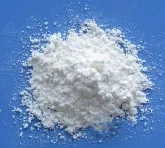
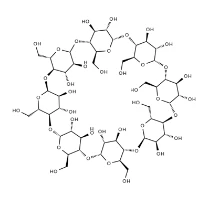
In the pharmaceutical industry, many poorly soluble drugs can benefit from the use of γ - cyclodextrin. By forming inclusion complexes, the solubility and bioavailability of drugs can be significantly improved. For instance, Gamma Cyclodextrin CAS 17465 - 86 - 0 is widely used in the formulation of various drugs. In comparison, Beta Cyclodextrin Cas 7585 - 39 - 9 also has its own unique applications, but their properties and suitability for different applications are different.
Conclusion and Invitation
In conclusion, the synthesis of γ - cyclodextrin is a complex but important process. Enzymatic synthesis is the mainstream method for industrial production due to its many advantages. As a professional γ - cyclodextrin supplier, we are committed to providing high - quality γ - cyclodextrin products through strict quality control and advanced synthesis technology.
If you are interested in our γ - cyclodextrin products or have any questions about the synthesis process, applications, or quality control, please feel free to contact us for further discussion and potential business cooperation. We look forward to working with you to meet your specific needs and contribute to the development of your industry with our high - quality γ - cyclodextrin products.
References
- Szejtli, J. (1998). Introduction and general overview of cyclodextrin chemistry. Chemical Reviews, 98(5), 1743 - 1753.
- van der Veen, B. A., & Witholt, B. (2000). Biodegradation of synthetic polymers: recent research results and trends. Current Opinion in Biotechnology, 11(4), 348 - 353.
- Crini, G. (2003). Cyclodextrins and their uses: a review. European Polymer Journal, 39(9), 1835 - 1849.


