

Can 40% Water - soluble Azelaic Acid Be Used on the Eyelids?
As a supplier of 40% water - soluble azelaic acid, I often receive inquiries from customers regarding the safety and usability of our product, especially when it comes to sensitive areas such as the eyelids. In this blog post, I aim to provide a comprehensive and scientifically - backed answer to the question: Can 40% water - soluble azelaic acid be used on the eyelids?
Understanding Azelaic Acid
Azelaic acid is a naturally occurring dicarboxylic acid that has been widely used in the field of dermatology for its various beneficial properties. It has antibacterial, anti - inflammatory, and keratolytic effects, making it an effective ingredient in treating acne, rosacea, and hyperpigmentation. The water - soluble form of azelaic acid, like our 40% formulation, offers better stability and ease of incorporation into various cosmetic and skincare products.
The antibacterial property of azelaic acid is particularly useful in combating Propionibacterium acnes, the bacteria responsible for acne. It inhibits the growth of these bacteria by interfering with their metabolic processes. The anti - inflammatory action helps to reduce redness and swelling associated with skin conditions. Additionally, its keratolytic effect promotes the shedding of dead skin cells, preventing clogged pores.
The Sensitivity of the Eyelids
The skin of the eyelids is one of the thinnest and most sensitive areas of the body. It is approximately 0.5mm thick, compared to the average skin thickness of 1 - 2mm on other parts of the body. This thinness makes the eyelids more prone to irritation, allergic reactions, and damage. The eyelid skin also contains a high density of nerve endings, which means that any discomfort or irritation can be more acutely felt.
When considering using any skincare product on the eyelids, it is crucial to take into account the potential risks. Ingredients that may be well - tolerated on other parts of the face or body could cause significant irritation or adverse reactions on the eyelids.
Using 40% Water - soluble Azelaic Acid on the Eyelids
The concentration of an active ingredient plays a vital role in determining its safety and effectiveness. A 40% concentration of water - soluble azelaic acid is relatively high. While azelaic acid is generally considered safe for most skin types, a high - concentration formulation like ours may pose a greater risk of irritation, especially on the sensitive eyelid skin.
Some individuals with very resilient skin may be able to tolerate a small amount of 40% water - soluble azelaic acid on the eyelids. However, it is essential to conduct a patch test first. Apply a small amount of the product to a small area of the skin near the eyelid, such as the inner corner, and wait for 24 - 48 hours to observe any signs of redness, itching, swelling, or discomfort. If no adverse reactions occur, it may be safe to proceed with using the product on the eyelids, but with extreme caution.
It is also important to note that the eyes are a delicate organ, and any contact of the product with the eyes themselves should be strictly avoided. If the azelaic acid solution accidentally gets into the eyes, it can cause severe irritation, pain, and potential damage to the cornea. Therefore, when applying the product near the eyelids, it is advisable to use a very small amount and apply it carefully with a clean, disposable applicator.
Benefits of Using Azelaic Acid on the Eyelids (if applicable)
If used safely and appropriately, azelaic acid on the eyelids may offer some benefits. For example, it could help in treating certain skin conditions that may affect the eyelid area, such as acne or mild rosacea. The antibacterial and anti - inflammatory properties of azelaic acid can reduce the redness and inflammation associated with these conditions.
In addition, azelaic acid has been shown to have some effect on hyperpigmentation. If there are dark circles or uneven skin tone around the eyes, the application of azelaic acid may help to lighten the area over time. However, it is important to remember that these benefits are only achievable if the product is used without causing excessive irritation.
Alternatives and Complementary Ingredients
If you are hesitant about using 40% water - soluble azelaic acid directly on the eyelids, there are other options available. You can look into products that contain lower concentrations of azelaic acid or consider using complementary ingredients.
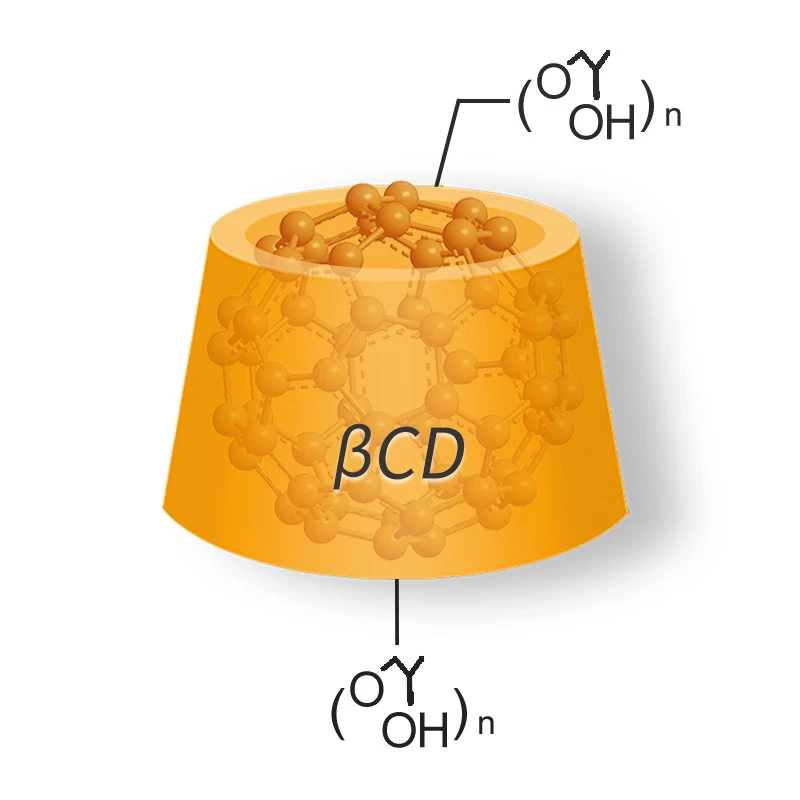
For instance, Fullerene Inclusion Complex is a powerful antioxidant that can help protect the delicate eyelid skin from free - radical damage. It has anti - aging properties and can improve the overall texture and appearance of the skin.
10% Ginseng Extract Inclusion Complex is another great option. Ginseng has been used in traditional medicine for its rejuvenating properties. It can enhance blood circulation in the skin, which may help reduce the appearance of dark circles and puffiness around the eyes.
10% Water - soluble Resveratrol is also a valuable ingredient. Resveratrol is known for its antioxidant, anti - inflammatory, and anti - aging effects. It can help to protect the skin from environmental stressors and improve the skin's overall health.

Conclusion
In conclusion, while it is possible to use 40% water - soluble azelaic acid on the eyelids, it should be done with extreme caution. The high concentration of the product increases the risk of irritation, and a patch test is highly recommended before full - scale use. If you experience any discomfort or adverse reactions, discontinue use immediately.
If you are interested in exploring the potential of our 40% water - soluble azelaic acid or any of our other cosmetic raw materials, we invite you to contact us for further information and to discuss potential procurement opportunities. Our team of experts is ready to assist you in finding the best solutions for your skincare product development needs.
References
- "Dermatology: Illustrated Study Guide and Comprehensive Board Review" by Linda J. Stein Gold, et al.
- "Cosmetic Dermatology: Principles and Practice" by Zoe Diana Draelos.
- Research articles on azelaic acid published in peer - reviewed dermatology journals.


