

Hydroxypropyl alpha cyclodextrin (HPαCD) is a modified cyclic oligosaccharide that has gained significant attention in various industries, including pharmaceuticals, food, and cosmetics. As a leading supplier of HPαCD, I am often asked about its potential applications in veterinary medicine. In this blog post, I will delve into the scientific evidence surrounding the use of HPαCD in veterinary medicine, explore its benefits, and discuss the considerations for its application.
Understanding Hydroxypropyl Alpha Cyclodextrin
Cyclodextrins are torus-shaped molecules composed of six, seven, or eight glucose units, known as alpha, beta, and gamma cyclodextrins, respectively. HPαCD is derived from alpha cyclodextrin through a chemical modification process that involves the addition of hydroxypropyl groups. This modification enhances the solubility, stability, and bioavailability of HPαCD compared to its parent compound.
The unique structure of HPαCD allows it to form inclusion complexes with a wide range of molecules, including drugs, vitamins, and other bioactive compounds. These inclusion complexes can improve the solubility, stability, and bioavailability of the guest molecules, which can lead to enhanced therapeutic efficacy and reduced side effects.
Potential Applications of HPαCD in Veterinary Medicine
Drug Delivery
One of the most promising applications of HPαCD in veterinary medicine is drug delivery. Many drugs used in veterinary medicine have poor solubility and bioavailability, which can limit their effectiveness. By forming inclusion complexes with HPαCD, these drugs can be solubilized and delivered more efficiently to their target sites.
For example, HPαCD has been shown to enhance the solubility and bioavailability of poorly soluble drugs such as itraconazole, a widely used antifungal agent in veterinary medicine. In a study conducted on dogs, the administration of itraconazole in an HPαCD-based formulation resulted in significantly higher plasma concentrations of the drug compared to the conventional formulation. This suggests that HPαCD can improve the therapeutic efficacy of itraconazole and potentially reduce the dosage required.
Nutraceutical Delivery
In addition to drug delivery, HPαCD can also be used for the delivery of nutraceuticals in veterinary medicine. Nutraceuticals are dietary supplements that provide health benefits beyond basic nutrition. However, many nutraceuticals have poor solubility and stability, which can limit their absorption and effectiveness.
By forming inclusion complexes with HPαCD, nutraceuticals can be protected from degradation and delivered more efficiently to the target tissues. For example, HPαCD has been used to encapsulate curcumin, a natural compound with anti-inflammatory and antioxidant properties. In a study conducted on cats, the administration of curcumin in an HPαCD-based formulation resulted in significantly higher plasma concentrations of curcumin compared to the free form. This suggests that HPαCD can improve the bioavailability of curcumin and potentially enhance its health benefits in cats.
Wound Healing
HPαCD has also been investigated for its potential use in wound healing in veterinary medicine. Wound healing is a complex process that involves the interaction of various cells and molecules. HPαCD has been shown to have anti-inflammatory, antioxidant, and antimicrobial properties, which can promote wound healing.
In a study conducted on dogs, the application of an HPαCD-based gel to full-thickness skin wounds resulted in significantly faster wound closure and improved histological features compared to the control group. This suggests that HPαCD can be used as a topical treatment for wounds in dogs and potentially other animals.
Benefits of Using HPαCD in Veterinary Medicine
Improved Solubility and Bioavailability
As mentioned earlier, HPαCD can improve the solubility and bioavailability of poorly soluble drugs and nutraceuticals. This can lead to enhanced therapeutic efficacy and reduced side effects. By increasing the solubility of drugs, HPαCD can also reduce the need for co-solvents and other excipients, which can improve the safety and tolerability of the formulations.
Enhanced Stability
HPαCD can also enhance the stability of drugs and nutraceuticals by protecting them from degradation. This can extend the shelf life of the formulations and reduce the need for special storage conditions. By forming inclusion complexes with HPαCD, drugs and nutraceuticals can also be protected from environmental factors such as light, heat, and humidity.
Reduced Toxicity
HPαCD has been shown to be well-tolerated in animals and humans. It has a low toxicity profile and does not cause significant adverse effects at therapeutic doses. By improving the solubility and bioavailability of drugs, HPαCD can also reduce the dosage required, which can further reduce the risk of toxicity.

Considerations for Using HPαCD in Veterinary Medicine
Regulatory Approval
Before using HPαCD in veterinary medicine, it is important to ensure that it has been approved by the relevant regulatory authorities. In the United States, the Food and Drug Administration (FDA) regulates the use of HPαCD in veterinary drugs and food additives. In the European Union, the European Medicines Agency (EMA) and the European Food Safety Authority (EFSA) regulate the use of HPαCD in veterinary medicine and food.
Compatibility with Other Excipients
When formulating HPαCD-based products for veterinary medicine, it is important to consider the compatibility of HPαCD with other excipients. HPαCD can interact with other excipients, such as surfactants, polymers, and antioxidants, which can affect the stability and performance of the formulations. It is recommended to conduct compatibility studies to ensure the stability and performance of the formulations.
Cost
The cost of HPαCD can be a limiting factor in its use in veterinary medicine. HPαCD is more expensive than other cyclodextrins, such as beta cyclodextrin, which can increase the cost of the formulations. However, the benefits of using HPαCD, such as improved solubility, bioavailability, and stability, may outweigh the cost in some cases.
Other Applications of HPαCD
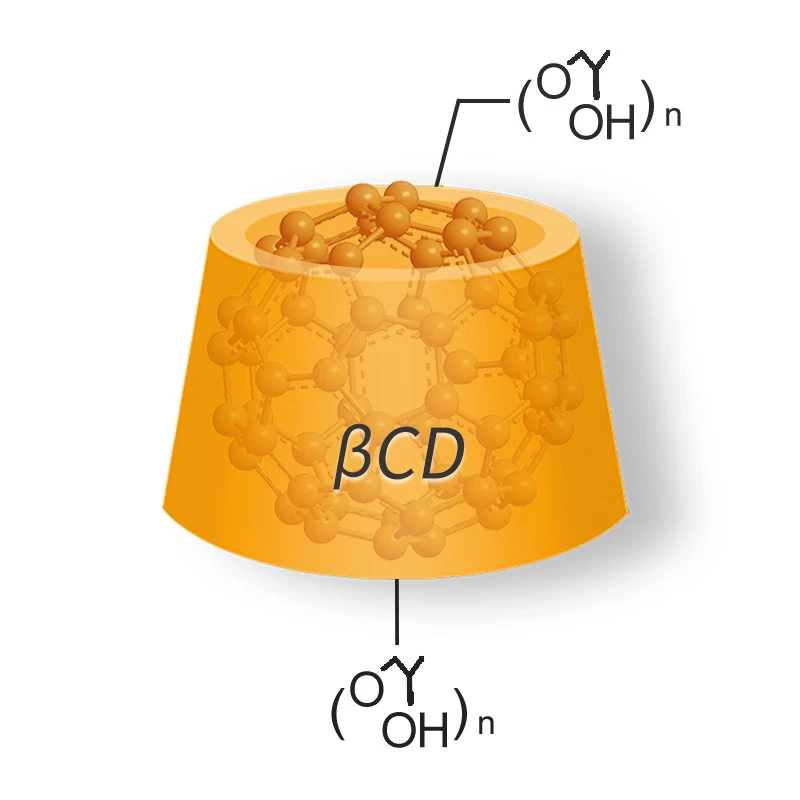
In addition to its potential applications in veterinary medicine, HPαCD has also been widely used in other industries, such as cosmetics and food. In the cosmetics industry, HPαCD is used as a solubilizer, stabilizer, and carrier for various active ingredients. For example, Fullerene Inclusion Complex, 10% Ginseng Extract Inclusion Complex, and 10% Adenosine Inclusion Complex are some of the products that use HPαCD as a key ingredient.
In the food industry, HPαCD is used as a flavor enhancer, stabilizer, and antioxidant. It can improve the solubility and stability of flavors and colors, and protect them from degradation. HPαCD can also be used to encapsulate nutritional ingredients, such as vitamins and minerals, to improve their bioavailability.
Conclusion
In conclusion, HPαCD has significant potential for use in veterinary medicine. Its ability to improve the solubility, stability, and bioavailability of drugs and nutraceuticals, as well as its anti-inflammatory, antioxidant, and antimicrobial properties, make it a promising ingredient for the development of new veterinary products. However, before using HPαCD in veterinary medicine, it is important to ensure that it has been approved by the relevant regulatory authorities, consider its compatibility with other excipients, and evaluate its cost-effectiveness.
As a leading supplier of HPαCD, we are committed to providing high-quality products and technical support to our customers in the veterinary medicine industry. If you are interested in using HPαCD in your veterinary products or would like to learn more about its applications, please do not hesitate to contact us for further information and procurement discussions.
References
- Stella, V. J., & He, Q. (2008). Therapeutic applications of cyclodextrins. Journal of pharmaceutical sciences, 97(8), 2807-2829.
- Loftsson, T., & Brewster, M. E. (1996). Pharmaceutical applications of cyclodextrins. I. Drug solubilization and stabilization. Journal of pharmaceutical sciences, 85(10), 1017-1025.
- Szente, L., & Sótor, J. (2004). Toxicology of cyclodextrins. Toxicology letters, 150(2), 113-122.


