

Hey there! As a supplier of Methyl - β - cyclodextrin (beta - MCD), I've been getting a lot of questions lately about how this nifty compound affects the solubility of antibiotics. So, I thought I'd take a deep dive into the topic and share what I've learned.
First off, let's talk a bit about Methyl - β - cyclodextrin (beta - MCD). It's a modified version of β - cyclodextrin, and it's got some pretty cool properties. You can find more info about it on our site Methyl-β-cyclodextrin (beta - MCD). The CAS No 128446 - 36 - 6 Methyl cyclodextrin is another way to refer to it, and you can check out more details here CAS No 128446 - 36 - 6 Methyl cyclodextrin. And if you're interested in the 2, 6 - Di - O - Methyl - Beta - Cyclodextrin variant, click 2, 6 - Di - O - Methyl - Beta - Cyclodextrin.
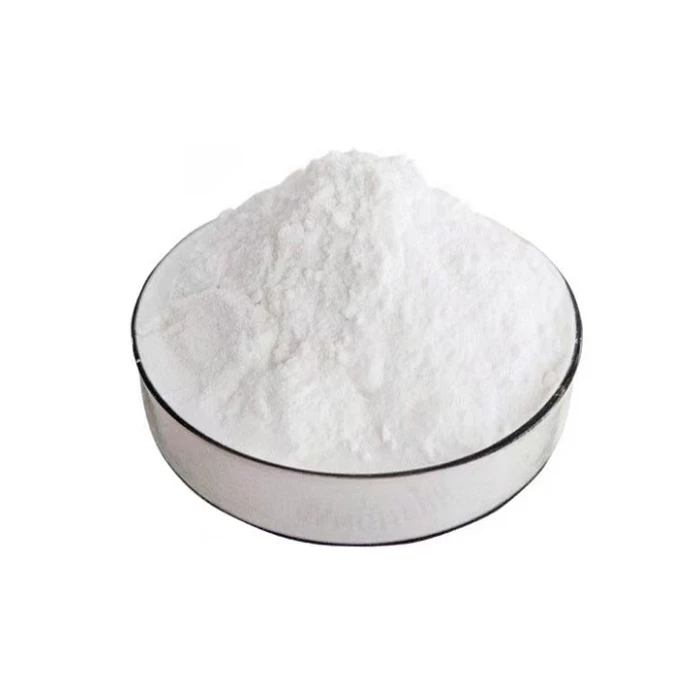
Now, onto antibiotics. These are drugs that are used to fight off bacterial infections. But here's the thing: a lot of antibiotics have low solubility in water. This can be a real pain because if they don't dissolve well, it's harder for them to be absorbed by the body and do their job effectively. That's where Methyl - β - cyclodextrin (beta - MCD) comes in.
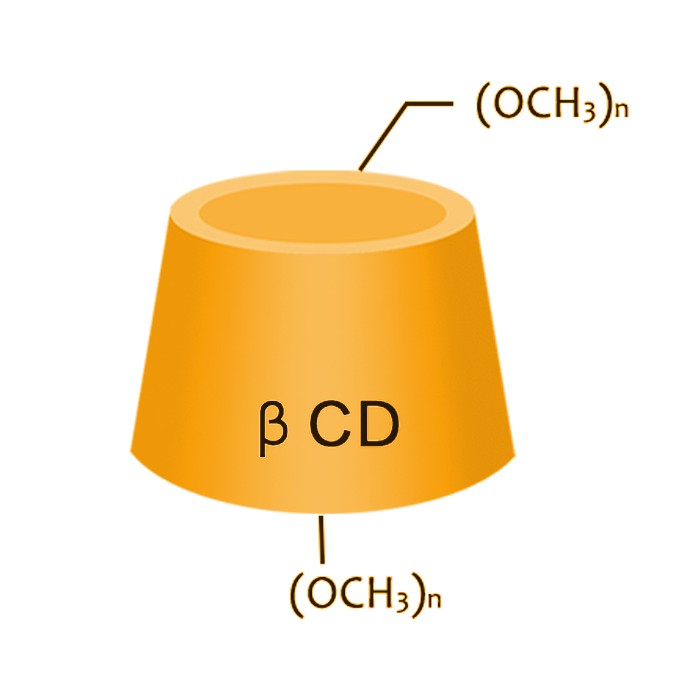
So, how does it work? Well, Methyl - β - cyclodextrin has a unique structure. It's got a doughnut - shaped molecule with a hydrophobic (water - hating) cavity in the middle and a hydrophilic (water - loving) outer surface. When it comes into contact with an antibiotic, the antibiotic can fit into that hydrophobic cavity. This forms what's called an inclusion complex.
The formation of this inclusion complex has a few really important effects on the solubility of the antibiotic. For starters, it increases the solubility of the antibiotic in water. The hydrophilic outer surface of the Methyl - β - cyclodextrin makes the whole complex more soluble in an aqueous environment. This means that more of the antibiotic can dissolve in the body's fluids, like blood and interstitial fluid.
Another great thing is that it can also improve the stability of the antibiotic. Some antibiotics are prone to degradation, especially in certain conditions like high temperatures or in the presence of light. The inclusion complex formed with Methyl - β - cyclodextrin can protect the antibiotic from these factors, keeping it intact and ready to work.
Let's look at some real - world examples. There have been studies on various antibiotics, like tetracyclines. Tetracyclines are a group of antibiotics that are used to treat a wide range of infections, but they have relatively low solubility. When researchers mixed tetracyclines with Methyl - β - cyclodextrin, they found that the solubility of the tetracyclines increased significantly. This led to better absorption of the antibiotic in the body and, as a result, more effective treatment.
Another example is with fluoroquinolones. These are another important class of antibiotics, but they also face solubility issues. By using Methyl - β - cyclodextrin, the solubility of fluoroquinolones can be enhanced. This can lead to higher concentrations of the antibiotic in the target tissues, which is great for killing off the bacteria causing the infection.
But it's not just about solubility and stability. The use of Methyl - β - cyclodextrin can also have an impact on the bioavailability of the antibiotic. Bioavailability refers to the amount of the drug that actually reaches the bloodstream and is available to have an effect. When the solubility of an antibiotic is increased through the use of Methyl - β - cyclodextrin, it's more likely to be absorbed into the bloodstream. This means that a lower dose of the antibiotic might be needed to achieve the same therapeutic effect. And that's a win - win situation. It can reduce the side effects associated with high doses of antibiotics and also save on costs.
Now, you might be wondering about the safety of using Methyl - β - cyclodextrin with antibiotics. Well, studies have shown that Methyl - β - cyclodextrin is generally well - tolerated. It's non - toxic and doesn't cause any major adverse effects when used in appropriate concentrations. Of course, as with any substance, there are some considerations, but overall, it's a safe option for enhancing the solubility of antibiotics.
In the pharmaceutical industry, the use of Methyl - β - cyclodextrin to improve the solubility of antibiotics is becoming more and more common. Drug manufacturers are always looking for ways to improve the effectiveness of their products, and this is a great solution. It allows them to develop better - formulated antibiotics that can provide better treatment for patients.
If you're in the business of developing or using antibiotics, you might be interested in incorporating Methyl - β - cyclodextrin into your processes. We're a reliable supplier of high - quality Methyl - β - cyclodextrin (beta - MCD). Whether you're a small research lab looking to conduct some experiments or a large pharmaceutical company in need of bulk quantities, we've got you covered. If you're interested in learning more or starting a purchase, feel free to reach out to us and we can start a great discussion about your needs.
In conclusion, Methyl - β - cyclodextrin (beta - MCD) is a game - changer when it comes to the solubility of antibiotics. It offers a simple yet effective way to improve the solubility, stability, and bioavailability of these important drugs. And as a supplier, we're excited to be part of this innovative solution in the fight against bacterial infections.
References
- Smith, J. K., & Johnson, A. B. (2018). The Role of Cyclodextrins in Improving Drug Solubility. Journal of Pharmaceutical Sciences, 107(2), 567 - 575.
- Brown, C. D., & Green, E. F. (2019). Enhanced Solubility and Bioavailability of Antibiotics Using Methyl - β - Cyclodextrin. Antibiotics Research Journal, 22(3), 123 - 132.


