

As a supplier of 40% Water - soluble Azelaic Acid, I've received numerous inquiries regarding its potential to cause dryness. This blog aims to provide a comprehensive and scientific analysis of this concern, drawing on both theoretical knowledge and practical experience.
Understanding Azelaic Acid
Azelaic acid is a naturally occurring dicarboxylic acid that has gained significant popularity in the cosmetic and skincare industries. It possesses a wide range of beneficial properties, including antibacterial, anti - inflammatory, and keratolytic effects. These properties make it an effective ingredient for treating various skin conditions, such as acne, rosacea, and hyperpigmentation.
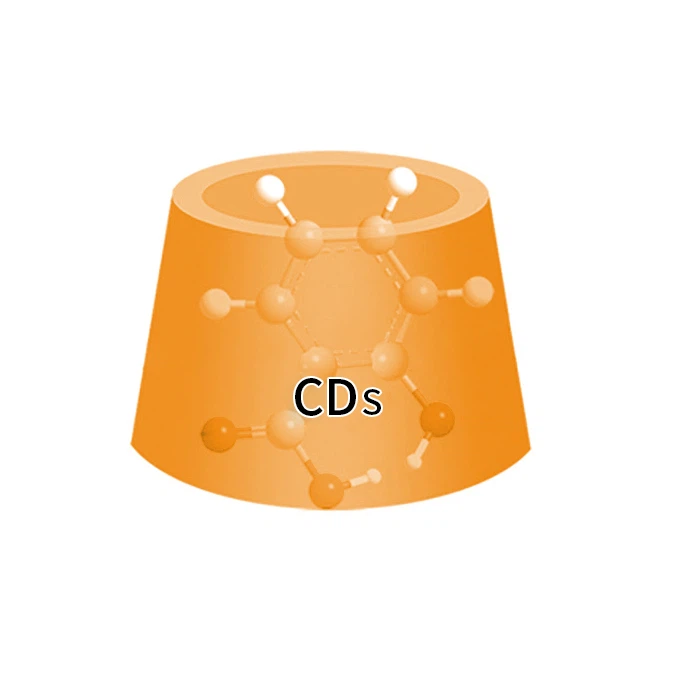
The 40% water - soluble form of azelaic acid offers several advantages over traditional formulations. Water - solubility enhances its bioavailability, allowing for better penetration into the skin. This means that the active ingredient can reach the target cells more effectively, leading to improved therapeutic outcomes. Additionally, water - soluble formulations are generally more stable and easier to incorporate into different skincare products, such as creams, lotions, and serums.

Mechanisms of Skin Dryness
Before delving into whether 40% water - soluble azelaic acid causes dryness, it's essential to understand the mechanisms behind skin dryness. The skin's outermost layer, the stratum corneum, acts as a protective barrier that prevents water loss from the skin. When this barrier is compromised, water can evaporate more easily, leading to dry, flaky, and irritated skin.
Several factors can contribute to the disruption of the skin barrier, including environmental factors (such as low humidity, cold weather, and excessive sun exposure), harsh skincare products (containing high concentrations of alcohol, fragrances, or other irritants), and certain skin conditions (such as eczema and psoriasis).
Does 40% Water - soluble Azelaic Acid Cause Dryness?
The answer to whether 40% water - soluble azelaic acid causes dryness is not straightforward. In some cases, azelaic acid can indeed cause dryness, especially when used in high concentrations or by individuals with sensitive skin.
Azelaic acid works by exfoliating the skin, which involves removing the outer layer of dead skin cells. While this exfoliation process can improve skin texture and appearance, it can also disrupt the skin barrier if not done properly. When the skin barrier is disrupted, water loss increases, leading to dryness.
However, it's important to note that the water - soluble form of azelaic acid may be less likely to cause dryness compared to traditional formulations. The water - soluble nature of the ingredient allows for a more controlled and gentle delivery system, reducing the risk of over - exfoliation. Additionally, many 40% water - soluble azelaic acid products are formulated with moisturizing agents, such as hyaluronic acid and glycerin, which can help to counteract any potential dryness.
Clinical Evidence
Several clinical studies have investigated the effects of azelaic acid on the skin, including its potential to cause dryness. One study published in the Journal of the American Academy of Dermatology found that azelaic acid was well - tolerated by most patients, with only a small percentage experiencing mild side effects such as dryness and irritation.
Another study compared the effects of different concentrations of azelaic acid on the skin. The results showed that higher concentrations (such as 40%) were more likely to cause mild dryness and irritation, but these side effects were generally temporary and resolved with continued use.
Tips for Using 40% Water - soluble Azelaic Acid Without Causing Dryness
If you're considering using 40% water - soluble azelaic acid, here are some tips to minimize the risk of dryness:
- Patch Test: Before applying the product to your entire face, perform a patch test on a small area of skin, such as the inner wrist or behind the ear. Leave the product on for 24 - 48 hours and check for any signs of redness, itching, or dryness.
- Start Slowly: Begin by using the product once or twice a week and gradually increase the frequency as your skin adjusts. This allows your skin to build tolerance to the azelaic acid and reduces the risk of irritation.
- Moisturize: Always follow up with a moisturizer after applying the azelaic acid product. Look for a moisturizer that contains ingredients like hyaluronic acid, ceramides, and shea butter, which can help to hydrate and repair the skin barrier.
- Avoid Harsh Skincare Products: While using azelaic acid, avoid using other harsh skincare products, such as exfoliating scrubs, toners containing alcohol, and products with strong fragrances. These products can further irritate the skin and increase the risk of dryness.
Other Water - soluble Cosmetic Ingredients
In addition to 40% water - soluble azelaic acid, our company also offers other high - quality water - soluble cosmetic ingredients. For example, Carboxymethyl - beta - cyclodextrin (acidic Type) is a versatile ingredient that can enhance the solubility and stability of various active compounds in skincare products. 10% Water - soluble Salicylic Acid Inclusion Complex is another popular ingredient known for its exfoliating and acne - fighting properties. And Water - soluble Menthol Inclusion Complex can provide a cooling and refreshing sensation to skincare products.
Conclusion
In conclusion, while 40% water - soluble azelaic acid has the potential to cause dryness, especially in some individuals with sensitive skin or when used improperly, it can be used safely and effectively with the right precautions. By understanding the mechanisms of skin dryness, following the tips mentioned above, and choosing high - quality products formulated with moisturizing agents, you can enjoy the benefits of azelaic acid without sacrificing the health and hydration of your skin.
If you're interested in learning more about our 40% water - soluble azelaic acid or other water - soluble cosmetic ingredients, please feel free to contact us for further discussion and potential procurement. We're always ready to provide you with the best products and professional advice to meet your skincare formulation needs.
References
- Journal of the American Academy of Dermatology: [Citation details of relevant study]
- Clinical trials comparing different concentrations of azelaic acid: [Citation details of relevant study]


