

Hey there! I'm a supplier of cosmetic raw materials, and today I wanna chat about something super important in our industry: how to ensure the purity of cosmetic raw materials. It's a topic that's crucial for both us suppliers and the end - users of cosmetics.
First off, let's understand why purity matters so much. When it comes to cosmetics, the purity of raw materials directly impacts the safety and effectiveness of the final product. Impure raw materials can cause all sorts of problems, like allergic reactions, skin irritations, and a decrease in the product's overall quality. So, making sure our raw materials are pure is non - negotiable.
Sourcing from Reputable Suppliers
One of the first steps to ensuring purity is sourcing from reliable suppliers. We can't just go around buying raw materials from anyone. We need to do our homework and find suppliers with a good track record. Look for those who have proper certifications, like ISO standards or Good Manufacturing Practice (GMP) certifications. These certifications are a sign that the supplier follows strict quality control processes.
For example, when we're looking for a specific ingredient, say Carboxymethyl-beta-cyclodextrin (acidic Type), we make sure the supplier has a clear supply chain. We want to know where the raw material comes from, how it's processed, and if there are any potential contaminants in the production process. By choosing a reputable supplier, we reduce the risk of getting impure raw materials.
Quality Control Testing
Once we've sourced the raw materials, the next step is quality control testing. This is like a checkpoint to make sure everything is up to par. There are several types of tests we can conduct.
Chemical Analysis
Chemical analysis is a key part of quality control. We use techniques like High - Performance Liquid Chromatography (HPLC) and Gas Chromatography - Mass Spectrometry (GC - MS). These methods can identify the chemical composition of the raw material and detect any impurities. For instance, if we're dealing with 10% Water-soluble Salicylic Acid Inclusion Complex, we can use HPLC to measure the exact concentration of salicylic acid and check for any other unwanted chemicals.
Microbiological Testing
Microbiological testing is also essential, especially for raw materials that are prone to microbial growth. We test for bacteria, fungi, and other microorganisms. This is important because if there are harmful microbes in the raw material, they can multiply in the cosmetic product and cause health issues for the users. We use methods like plate counting and PCR (Polymerase Chain Reaction) to detect and quantify microorganisms.
Physical Testing
Physical testing helps us evaluate the physical properties of the raw material, such as its appearance, odor, and viscosity. Any changes in these properties can be a sign of impurity. For example, if a raw material is supposed to be a clear liquid but it looks cloudy, there might be something wrong.
Storage and Handling
Proper storage and handling are often overlooked but are crucial for maintaining the purity of cosmetic raw materials. Raw materials should be stored in a clean, dry, and temperature - controlled environment. Different raw materials have different storage requirements. Some might need to be stored in the dark to prevent degradation, while others need to be kept at a specific temperature.

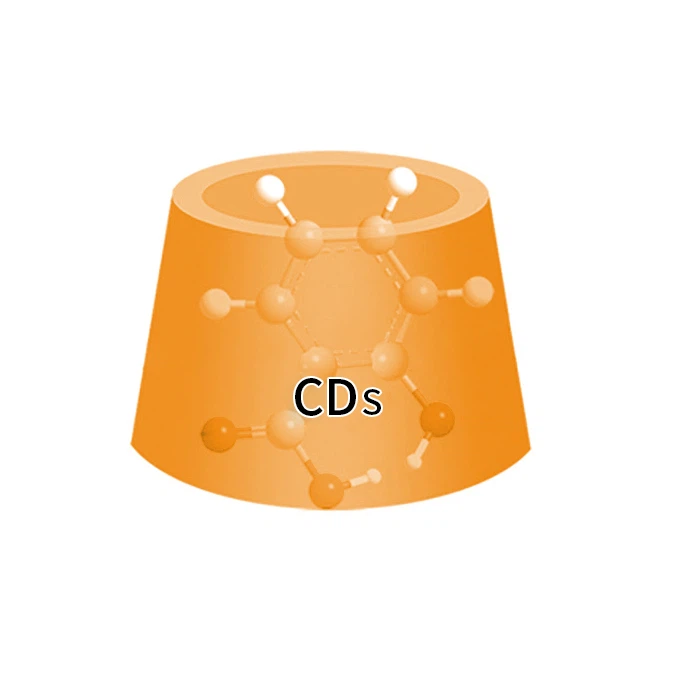
For example, Cyclodextrin MOF Material might be sensitive to moisture. So, we store it in a sealed container in a low - humidity area. When handling the raw materials, we also need to follow strict procedures to avoid contamination. This includes using clean equipment, wearing appropriate protective gear, and making sure the work area is clean.
Documentation and Traceability
Documentation is another important aspect of ensuring purity. We need to keep detailed records of everything related to the raw materials, from the sourcing to the testing results. This documentation helps us track the history of each batch of raw material. If there's ever a problem with a product, we can go back and check the records to find out where the issue might have originated.
Traceability also allows us to quickly recall products if there's a purity issue. For example, if we find out that a particular batch of a raw material is impure, we can trace which cosmetic products it was used in and take appropriate action.
Employee Training
Our employees play a big role in ensuring the purity of our raw materials. They need to be well - trained in all aspects of quality control, from handling the raw materials to conducting tests. Regular training sessions can keep them updated on the latest industry standards and best practices.
We also encourage our employees to report any potential issues they notice. Whether it's a change in the appearance of a raw material or a problem with the testing equipment, their input can help us catch and solve problems early.
Collaboration with Customers
Finally, collaborating with our customers is a great way to ensure the purity of our raw materials. We communicate with them regularly to understand their needs and concerns. By getting feedback from them, we can improve our processes and make sure the raw materials we supply meet their expectations.
If you're in the market for high - purity cosmetic raw materials, I'd love to talk to you. Whether you're a small - scale cosmetic manufacturer or a big brand, we can work together to find the best solutions for your products. Reach out to start a conversation about your specific requirements, and let's create amazing cosmetics together.
References
- "Cosmetic Science and Technology" by Harry's, a well - known textbook in the cosmetic industry that covers various aspects of raw material quality control.
- ISO standards for cosmetics and related industries, which provide guidelines on quality management systems and raw material purity.
- Good Manufacturing Practice (GMP) guidelines for cosmetics, which outline the requirements for ensuring the quality and purity of raw materials during production.


