

Hair care products have become an essential part of our daily grooming routine, catering to a wide range of hair types and concerns. As a leading supplier of cosmetic raw materials, I have witnessed firsthand the evolution of these products and the importance of high - quality ingredients. In this blog, I will explore the key characteristics of cosmetic raw materials for hair care products.
1. Safety and Compatibility
One of the most crucial characteristics of hair care raw materials is safety. These materials must be non - toxic and non - allergenic to ensure they do not cause any harm to the scalp or hair. Before being used in hair care products, raw materials undergo rigorous testing to meet safety standards. For example, natural plant extracts like aloe vera and chamomile are popular due to their gentle nature. They are rich in vitamins and minerals that nourish the hair without causing irritation.
Compatibility is also vital. Raw materials need to work well together in a formulation. A hair conditioner may contain a combination of emollients, humectants, and surfactants. The emollients, such as shea butter or jojoba oil, help to soften and lubricate the hair. Humectants, like glycerin, attract and retain moisture. Surfactants are responsible for cleansing the hair. All these ingredients must be compatible so that they do not separate or react negatively in the product.
2. Moisture - Retaining Properties
Hair can easily become dry and brittle, especially due to factors like environmental exposure, heat styling, and chemical treatments. Therefore, raw materials with excellent moisture - retaining properties are highly sought after. Hyaluronic acid is a well - known humectant that can hold up to 1000 times its weight in water. When added to hair care products, it helps to keep the hair hydrated, making it more flexible and less prone to breakage.
Another example is panthenol, also known as provitamin B5. It penetrates the hair shaft and forms a protective layer, preventing moisture loss. This results in softer, shinier, and more manageable hair. As a cosmetic raw materials supplier, we offer a variety of moisture - retaining ingredients that can be customized according to the specific needs of different hair care products.
3. Nourishing and Strengthening Abilities
Hair requires proper nutrition to grow healthy and strong. Raw materials that provide essential nutrients can significantly improve the overall condition of the hair. Proteins, such as keratin and collagen, are fundamental for hair structure. Keratin is a fibrous protein that makes up the majority of the hair shaft. Adding keratin to hair care products can help to repair damaged hair and strengthen it from within.
Biotin, a B - vitamin, is also important for hair health. It promotes hair growth and improves the elasticity of the hair. Some plant extracts, like ginseng and saw palmetto, have been shown to have beneficial effects on hair follicles. Ginseng can stimulate blood circulation in the scalp, providing more nutrients to the hair roots, while saw palmetto may help to block the production of DHT, a hormone that can contribute to hair loss.
4. Anti - dandruff and Scalp - Soothing Qualities
Dandruff and an itchy scalp are common hair problems. Raw materials with anti - dandruff and scalp - soothing properties are in high demand. Zinc pyrithione is a widely used anti - dandruff agent. It works by inhibiting the growth of Malassezia, a fungus that is often associated with dandruff.
Tea tree oil is another natural ingredient with anti - fungal and anti - inflammatory properties. It can help to soothe an itchy scalp and reduce dandruff. As a supplier, we provide 10% Water-soluble Salicylic Acid Inclusion Complex, which has exfoliating and anti - dandruff effects. It can help to remove dead skin cells from the scalp, preventing the formation of dandruff.

5. Stability and Shelf - Life
Hair care products need to maintain their quality and effectiveness over time. Therefore, raw materials must have good stability. They should be able to withstand changes in temperature, humidity, and light without losing their properties. For example, antioxidants like vitamin E can be added to hair care products to prevent the oxidation of oils and other ingredients. Oxidation can cause the product to become rancid and lose its efficacy.
The shelf - life of raw materials is also an important consideration. Some natural ingredients may have a shorter shelf - life compared to synthetic ones. As a supplier, we ensure that the raw materials we offer have an appropriate shelf - life and provide storage guidelines to our customers to maintain the quality of the products.
6. Ease of Formulation
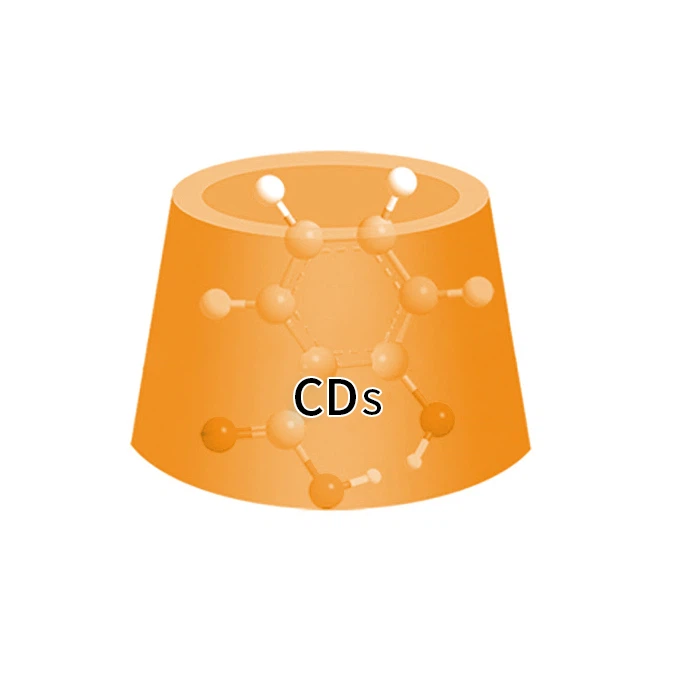
Raw materials should be easy to incorporate into hair care formulations. They need to dissolve or disperse well in the product base. For example, Succinyl Beta Cyclodextrin is a useful ingredient that can enhance the solubility and stability of other raw materials. It can form inclusion complexes with hydrophobic substances, making them more soluble in water - based formulations.
Some raw materials may require special handling or processing during formulation. However, as a supplier, we provide technical support to our customers to ensure that the raw materials can be easily integrated into their hair care product manufacturing processes.
7. Sensory Appeal
The sensory characteristics of hair care products are important for consumer acceptance. Raw materials can contribute to the product's texture, smell, and appearance. For example, silicones are often used in hair care products to give a smooth and silky feel to the hair. They also help to reduce frizz and make the hair more manageable.
Fragrances are another aspect of sensory appeal. Natural essential oils, such as lavender or rosemary oil, can be used to add a pleasant scent to hair care products. As a supplier, we offer a range of raw materials that can enhance the sensory qualities of hair care products, allowing our customers to create products that are not only effective but also enjoyable to use.
8. Sustainability
In recent years, there has been a growing demand for sustainable cosmetic raw materials. Consumers are more conscious of the environmental impact of the products they use. Therefore, raw materials that are sourced sustainably, biodegradable, and eco - friendly are becoming increasingly popular.
Plant - based raw materials are a great option for sustainable hair care products. For example, coconut oil, which is derived from coconuts, is a renewable resource. It is also biodegradable and has multiple benefits for hair health. As a supplier, we are committed to providing sustainable raw materials and working with our partners to promote environmentally friendly practices in the hair care industry.
9. Bioactivity and Functionality
Some raw materials have specific bioactive properties that can target particular hair concerns. For instance, 10% Adenosine Inclusion Complex has been shown to have potential benefits for hair growth. Adenosine can stimulate the hair follicles and promote the proliferation of hair cells.
Other bioactive ingredients, such as polyphenols from green tea or grape seed extract, have antioxidant and anti - inflammatory properties. They can protect the hair from oxidative stress and damage caused by free radicals.
Conclusion
In conclusion, the characteristics of cosmetic raw materials for hair care products are diverse and complex. From safety and compatibility to moisture - retaining properties, nourishing abilities, and sensory appeal, each characteristic plays a crucial role in the effectiveness and success of hair care products. As a leading supplier of cosmetic raw materials, we are dedicated to providing high - quality, innovative, and sustainable ingredients to meet the ever - changing needs of the hair care industry.
If you are in the hair care product manufacturing business and are looking for reliable cosmetic raw materials, we would be delighted to have a discussion with you. Whether you need assistance in formulating new products or improving existing ones, our team of experts is ready to provide you with the best solutions. Please feel free to reach out to us to start a procurement negotiation and take your hair care products to the next level.
References
- Cosmetic Science and Technology, Third Edition by Gerald A. McEwen Jr. and Nikolas A. Kollias
- Handbook of Cosmetic Science and Technology, Fourth Edition by Albert M. Kligman, Howard I. Maibach, and Peter W. Wertz
- International Journal of Cosmetic Science for various research articles on hair care raw materials.


