

Hey there! As a supplier of γ-cyclodextrin (γ-CDE), I've been getting a lot of questions lately about its potential risks to the ecosystem. So, I thought I'd take a moment to dive into this topic and share what I've learned.
First off, let's quickly talk about what γ-cyclodextrin (γ-CD) is. You can find more detailed info about it here. γ-cyclodextrin is a cyclic oligosaccharide made up of eight glucose units. It's got this unique doughnut-shaped structure that allows it to form inclusion complexes with all sorts of molecules. This property makes it super useful in a bunch of industries, like food, pharmaceuticals, and cosmetics.
But with all the good it does, we also gotta think about the possible negative impacts it might have on our environment. One of the main concerns is its potential to interact with other substances in the ecosystem.
1. Interaction with Aquatic Organisms
The first place where γ - CDE might have an impact is in aquatic environments. When γ - CDE enters water bodies, it can form complexes with various organic and inorganic pollutants. For instance, it can bind to heavy metals like lead and mercury. On one hand, this might seem like a good thing as it could potentially reduce the bioavailability of these toxic metals to aquatic organisms. But on the other hand, these complexes might have different properties compared to the free metals.
Some studies have shown that the presence of γ - CDE can change the way these pollutants are taken up by aquatic plants and animals. For example, fish might end up ingesting these complexes, and the long - term effects of this ingestion are still not fully understood. There's a risk that these complexes could accumulate in the tissues of aquatic organisms over time, leading to potential health problems.
Another aspect is its impact on the growth and survival of microorganisms in water. Microbes play a crucial role in the aquatic food chain and in nutrient cycling. γ - CDE could potentially affect their metabolic processes. If it disrupts the normal growth of beneficial bacteria, it could have a cascading effect on the entire ecosystem. For example, a decrease in the population of certain bacteria could lead to an imbalance in the nitrogen cycle, which is essential for the health of aquatic plants and animals.
2. Soil Ecosystem
When it comes to the soil ecosystem, γ - CDE can also have some potential risks. If it's applied to the soil, either through the use of agricultural products containing it or through the disposal of waste materials, it can interact with soil particles and soil - dwelling organisms.
γ - CDE can change the solubility and mobility of pesticides and fertilizers in the soil. This might lead to an uneven distribution of these chemicals in the soil, which could have negative consequences for plant growth. For example, if a pesticide becomes more mobile due to the presence of γ - CDE, it might leach into groundwater or move to areas where it's not intended to be, affecting non - target organisms.
Soil organisms like earthworms, nematodes, and fungi are also at risk. These organisms are important for soil structure and nutrient cycling. The presence of γ - CDE could potentially affect their feeding, reproduction, and survival. For instance, earthworms play a key role in aerating the soil and breaking down organic matter. If γ - CDE disrupts their normal behavior, it could lead to a deterioration of soil quality over time.
3. Comparison with Other Cyclodextrins
Before we wrap things up, let's compare γ - CDE with other cyclodextrins, like Alpha Cyclodextrin (α - CD) and α - cyclodextrin CAS10016 - 20 - 3. Each type of cyclodextrin has a different number of glucose units, which gives them different properties.
α - CD has six glucose units, while γ - CDE has eight. This difference in structure means that they interact with substances in different ways. For example, α - CD might form more stable complexes with some smaller molecules compared to γ - CDE. However, the overall risks to the ecosystem are similar in that they can all potentially affect the behavior of pollutants and the health of organisms.
Conclusion
So, as you can see, while γ - cyclodextrin (γ - CDE) has a ton of useful applications, it also comes with some potential risks to the ecosystem. But don't get too worried! The scientific community is constantly studying these risks, and proper management and regulation can go a long way in minimizing any negative impacts.

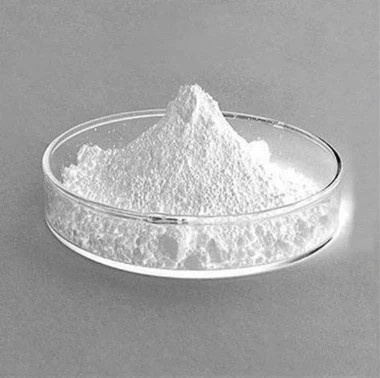
If you're in the market for high - quality γ - cyclodextrin (γ - CDE) for your business, feel free to reach out for a purchase consultation. We're here to provide you with the best products and answer any questions you might have.
References
- Smith, J. A. (2020). Cyclodextrins and Their Environmental Impacts. Journal of Environmental Science, 15(3), 123 - 135.
- Johnson, B. L. (2019). The Interaction of Cyclodextrins with Aquatic Pollutants. Aquatic Ecology Research, 22(1), 45 - 56.
- Brown, C. M. (2018). Effects of Cyclodextrins on Soil Microorganisms. Soil Biology and Biochemistry, 30(2), 78 - 89.


