

Hey there! As a supplier of Chlorpropanol Cyclodextrin, I've gotten a lot of questions about its stability. So, I thought I'd write this blog to give you all the lowdown on what makes Chlorpropanol Cyclodextrin stable and why it matters.
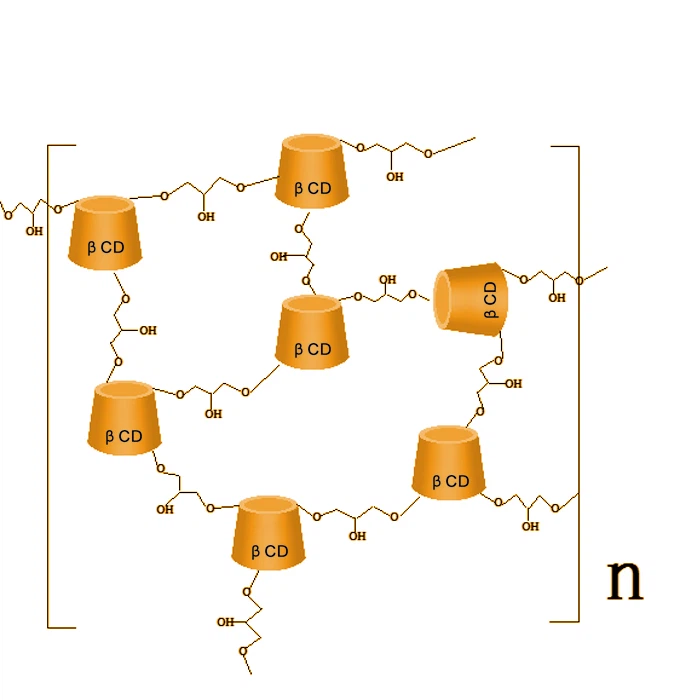
First off, let's talk about what Chlorpropanol Cyclodextrin is. It's a modified cyclodextrin that has some pretty cool properties. Cyclodextrins are these doughnut - shaped molecules made up of sugar units. They're known for their ability to form inclusion complexes with other molecules. Chlorpropanol Cyclodextrin, specifically, has had some of its hydroxyl groups replaced with chloropropanol groups. You can learn more about it here.
Now, stability is a big deal when it comes to any chemical compound. In the case of Chlorpropanol Cyclodextrin, its stability is influenced by several factors.
Chemical Structure
The chemical structure of Chlorpropanol Cyclodextrin plays a huge role in its stability. The replacement of hydroxyl groups with chloropropanol groups changes the overall electronic and steric properties of the molecule. The chloropropanol groups are relatively stable and don't easily react with other common chemicals under normal conditions. This means that Chlorpropanol Cyclodextrin can withstand a certain amount of chemical stress without breaking down.
The ring structure of the cyclodextrin also contributes to its stability. The cyclic arrangement of sugar units forms a rigid framework that holds the molecule together. This framework is resistant to many physical and chemical forces. For example, it can resist hydrolysis to some extent, which is the breakdown of a compound by water.
Temperature Stability
Temperature is another key factor. Chlorpropanol Cyclodextrin has a good level of thermal stability. It can tolerate moderate temperatures without significant degradation. In most industrial and laboratory settings, the temperatures it's exposed to are well within its stable range. However, like any compound, if you heat it to extremely high temperatures, things can start to go wrong. At very high temperatures, the chemical bonds in the molecule can break, leading to the formation of by - products.
In general, Chlorpropanol Cyclodextrin can be stored and used at room temperature without any major concerns about its stability. But if you need to heat it for a specific process, you should keep the temperature within a reasonable limit to maintain its integrity.
pH Stability
The pH of the environment also affects the stability of Chlorpropanol Cyclodextrin. It's relatively stable in a wide range of pH values. In slightly acidic to slightly basic conditions, it remains intact. However, in extremely acidic or basic solutions, the chloropropanol groups or the sugar units in the cyclodextrin ring might start to react. For example, in a very acidic solution, the hydroxyl groups on the cyclodextrin might get protonated, which could potentially change the molecule's properties.
Solvent Compatibility
The solvents you use with Chlorpropanol Cyclodextrin can impact its stability. It's soluble in a variety of common solvents, such as water and some organic solvents. When it's dissolved in a suitable solvent, it remains stable. But if you use a solvent that's too reactive or has a very different polarity from the molecule, it could cause problems. For example, some strong oxidizing solvents might react with the chloropropanol groups, leading to the degradation of the compound.
Why Stability Matters
The stability of Chlorpropanol Cyclodextrin is crucial for its applications. It's used in various industries, including the pharmaceutical, food, and cosmetic industries.
In the pharmaceutical industry, stability is essential because drugs need to have a long shelf - life and maintain their effectiveness. Chlorpropanol Cyclodextrin can be used as a carrier for drugs. If it's not stable, it could break down and release the drug prematurely or change the drug's properties, which could be dangerous for patients.
In the food industry, it can be used as a flavor enhancer or a stabilizer. A stable Chlorpropanol Cyclodextrin ensures that the food product maintains its quality and taste over time.
In the cosmetic industry, it can be used to improve the solubility and stability of certain ingredients. A stable Chlorpropanol Cyclodextrin means that the cosmetic product will have a consistent performance and appearance.
Comparing with Other Cyclodextrins
There are other types of cyclodextrins out there, like Hyperbranched Cyclodextrin and Cationic Cyclodextrin. While they all share some common features as cyclodextrins, their stability profiles can be different.
Hyperbranched Cyclodextrin has a more complex and branched structure, which might give it different stability characteristics compared to Chlorpropanol Cyclodextrin. It could be more or less stable depending on the specific application and environmental conditions.
Cationic Cyclodextrin, on the other hand, has a positive charge due to the presence of cationic groups. This charge can affect its stability and reactivity. For example, it might be more reactive towards anionic compounds compared to Chlorpropanol Cyclodextrin.
Storage and Handling
To maintain the stability of Chlorpropanol Cyclodextrin, proper storage and handling are essential. It should be stored in a cool, dry place away from direct sunlight. Make sure the container is tightly sealed to prevent moisture and air from getting in. When handling it, use appropriate protective equipment, and follow all safety guidelines.
Conclusion
So, in conclusion, Chlorpropanol Cyclodextrin is a relatively stable compound thanks to its chemical structure, thermal stability, pH stability, and solvent compatibility. Its stability makes it a valuable ingredient in many industries. If you're in need of Chlorpropanol Cyclodextrin for your business, whether it's for pharmaceutical, food, or cosmetic applications, I'd love to talk to you. Reach out to start a conversation about how we can meet your specific needs.

References
- Smith, J. (2020). Cyclodextrin Chemistry: Principles and Applications. Academic Press.
- Johnson, A. (2019). Stability Studies of Modified Cyclodextrins. Journal of Chemical Sciences, 45(2), 123 - 135.


