

Whiteheads, also known as closed comedones, are a common skin concern that many people face. They occur when hair follicles become clogged with sebum, dead skin cells, and other debris. While there are various treatments available for whiteheads, one ingredient that has gained significant attention in the skincare industry is 40% water - soluble salicylic acid. As a supplier of 40% Water-soluble Salicylic Acid, I am excited to delve into how this powerful ingredient works on whiteheads.
Understanding Whiteheads
Before we explore how 40% water - soluble salicylic acid tackles whiteheads, it's essential to understand what causes them. Our skin has sebaceous glands that produce sebum, an oily substance that helps keep the skin lubricated. When the production of sebum is excessive, and dead skin cells don't shed properly, they can mix and block the hair follicles. This blockage forms a small, pale bump on the skin's surface, known as a whitehead. Unlike blackheads, which are open to the air and turn black due to oxidation, whiteheads are covered by a thin layer of skin.
The Science Behind Salicylic Acid
Salicylic acid is a beta - hydroxy acid (BHA) that has been used in skincare for decades. It is derived from willow bark and has several beneficial properties for the skin. One of the key characteristics of salicylic acid is its lipophilic nature, which means it can penetrate the oil - filled hair follicles easily. This ability to dissolve in oil allows it to reach deep into the pores where whiteheads form.
The 40% water - soluble salicylic acid we supply is a highly concentrated form that has been formulated to be more soluble in water. This makes it easier to incorporate into various skincare products such as creams, lotions, and serums. The high concentration ensures a more potent effect on the skin, but it also requires careful use to avoid over - exfoliation and irritation.
How 40% Water - Soluble Salicylic Acid Works on Whiteheads
Exfoliation
One of the primary ways 40% water - soluble salicylic acid combats whiteheads is through exfoliation. It works by breaking down the bonds between dead skin cells on the surface of the skin and inside the hair follicles. As the dead skin cells are sloughed off, the pores become less clogged. This process not only helps to prevent new whiteheads from forming but also can reduce the size of existing ones. By promoting regular exfoliation, the skin can maintain a healthy turnover rate, and the accumulation of dead skin cells that lead to whiteheads is minimized.
Sebum Regulation
Another important function of 40% water - soluble salicylic acid is its ability to regulate sebum production. Excessive sebum is a major contributor to whitehead formation. Salicylic acid can influence the sebaceous glands, reducing the amount of sebum they produce. This helps to keep the skin less oily and decreases the likelihood of pore blockage. By balancing sebum production, the skin is less prone to developing new whiteheads, and the overall skin texture can improve.
Anti - Inflammatory Properties
Whiteheads can sometimes become inflamed, leading to redness and discomfort. 40% water - soluble salicylic acid has anti - inflammatory properties that can help soothe the skin. It can reduce the swelling and redness associated with inflamed whiteheads. By calming the inflammation, the skin looks and feels better, and the healing process of the whiteheads is accelerated.
Unclogging Pores
As mentioned earlier, the lipophilic nature of salicylic acid allows it to penetrate deep into the pores. Once inside the pores, it can dissolve the sebum and other debris that are causing the blockage. This unclogging effect is crucial for treating whiteheads. It helps to open up the blocked follicles, allowing the trapped sebum and dead skin cells to be released. Over time, the whiteheads can shrink and eventually disappear.
Using 40% Water - Soluble Salicylic Acid Safely
While 40% water - soluble salicylic acid is a powerful ingredient for treating whiteheads, it should be used with caution. Due to its high concentration, it can cause skin irritation, especially for those with sensitive skin. It is recommended to start with a low - frequency application, such as once or twice a week, and gradually increase the frequency as the skin builds tolerance.
It's also important to follow up with a good moisturizer to keep the skin hydrated. Salicylic acid can sometimes dry out the skin, and proper moisturization can help prevent this side effect. Additionally, using sunscreen during the day is essential because salicylic acid can make the skin more sensitive to the sun.
Complementary Products
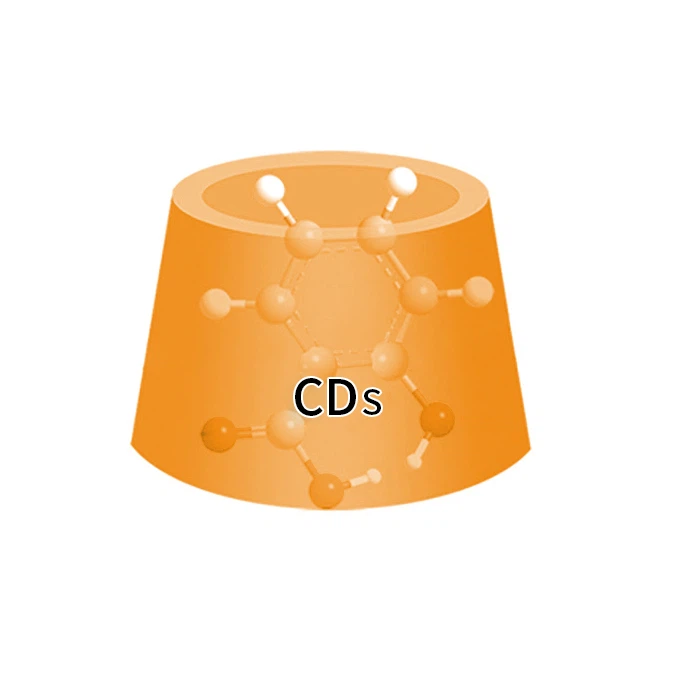
In addition to 40% water - soluble salicylic acid, we also offer other products that can complement its effects on whiteheads. Our 50% Salicylic Acid Inclusion Complex provides a different formulation of salicylic acid that can be used in combination with the 40% water - soluble version for enhanced results. The inclusion complex helps to improve the stability and delivery of salicylic acid to the skin.
Another product that can be used in conjunction with salicylic acid is our 60% Water - soluble Azelaic Acid. Azelaic acid has antibacterial and anti - inflammatory properties, which can further help in treating whiteheads. It can also improve skin texture and reduce the appearance of post - acne marks.
Conclusion
40% water - soluble salicylic acid is a powerful tool in the fight against whiteheads. Its exfoliating, sebum - regulating, anti - inflammatory, and pore - unclogging properties make it an effective ingredient for treating and preventing whiteheads. However, it should be used responsibly to avoid skin irritation.

If you are a skincare formulator, brand owner, or someone interested in incorporating high - quality 40% water - soluble salicylic acid into your products, we are here to help. We can provide you with the best raw materials and support for your skincare projects. Feel free to reach out to us to discuss your specific needs and start a procurement negotiation.
References
- Draelos, Z. D. (2003). Salicylic acid: a review of its dermatological uses. Journal of Drugs in Dermatology, 2(3), 210 - 213.
- Webster, G. F. (2002). Topical salicylic acid: mechanism of action and therapeutic efficacy in the treatment of acne. Journal of the American Academy of Dermatology, 47(5 Suppl), S129 - S132.
- Leyden, J. J., McGinley, K. J., & Mills, O. H. (1975). Topical salicylic acid: effect on sebum production and acne. Journal of Investigative Dermatology, 64(6), 421 - 423.


