

Hey there! As a supplier of Hydroxypropyl Alpha Cyclodextrin, I've seen firsthand how this amazing compound can work wonders in improving the stability of drugs. In this blog, I'm gonna break down the science behind it, share some real - world examples, and tell you why it's such a game - changer in the pharmaceutical industry.
What is Hydroxypropyl Alpha Cyclodextrin?
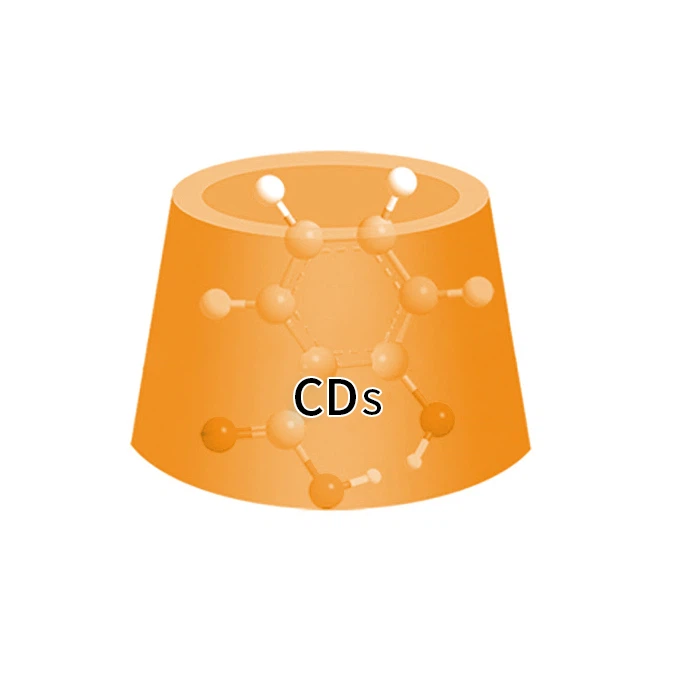
Let's start with the basics. Hydroxypropyl Alpha Cyclodextrin is a modified cyclodextrin. Cyclodextrins are cyclic oligosaccharides made up of glucose units. Alpha - cyclodextrin has six glucose units. The hydroxypropyl group is added to the alpha - cyclodextrin structure, which gives it some unique properties. It's water - soluble, non - toxic, and has a doughnut - shaped structure with a hydrophobic cavity in the middle and a hydrophilic outer surface.
How Does It Improve Drug Stability?
1. Protection from Environmental Factors
One of the main ways Hydroxypropyl Alpha Cyclodextrin improves drug stability is by protecting drugs from environmental factors. Drugs can be sensitive to light, heat, oxygen, and moisture. When a drug molecule gets encapsulated inside the hydrophobic cavity of Hydroxypropyl Alpha Cyclodextrin, it's shielded from these external elements.
For example, some drugs are prone to oxidation when exposed to air. The cyclodextrin forms a kind of barrier around the drug, preventing oxygen from reaching it. This significantly slows down the oxidation process, extending the shelf - life of the drug. Similarly, light - sensitive drugs are protected from the harmful effects of UV rays when they're complexed with Hydroxypropyl Alpha Cyclodextrin.
2. Solubility Enhancement
Many drugs have poor water solubility, which can be a major problem for their stability and effectiveness. Hydroxypropyl Alpha Cyclodextrin can form inclusion complexes with these poorly soluble drugs. The hydrophobic drug molecule fits into the hydrophobic cavity of the cyclodextrin, while the hydrophilic outer part of the cyclodextrin makes the whole complex soluble in water.
When a drug is more soluble, it's less likely to precipitate out of solution. Precipitation can lead to a loss of drug activity and can also cause problems in drug delivery systems. By keeping the drug in solution, Hydroxypropyl Alpha Cyclodextrin helps maintain its stability. For instance, some anti - inflammatory drugs that are difficult to dissolve in water can be made more soluble and stable when complexed with this cyclodextrin.
3. Chemical Stabilization
Hydroxypropyl Alpha Cyclodextrin can also interact with drugs at a chemical level to improve their stability. It can form hydrogen bonds or other non - covalent interactions with the drug molecules. These interactions can prevent chemical reactions within the drug molecule itself, such as hydrolysis or isomerization.
Hydrolysis is a common reaction where water breaks down a drug molecule. The cyclodextrin can reduce the access of water molecules to the reactive sites of the drug, thus inhibiting hydrolysis. Isomerization, which is the conversion of a drug from one isomeric form to another, can also be minimized by the stabilizing effect of Hydroxypropyl Alpha Cyclodextrin.
Real - World Applications
In Cosmetics
The benefits of Hydroxypropyl Alpha Cyclodextrin aren't limited to pharmaceuticals. In the cosmetics industry, it's also used to improve the stability of active ingredients. Take 40% Water - soluble Azelaic Acid and 40% Water - soluble Azelaic Acid for example. Azelaic acid is a great ingredient for treating acne and improving skin texture, but it can be unstable in formulations. When complexed with Hydroxypropyl Alpha Cyclodextrin, its stability is enhanced, and it can better maintain its efficacy in cosmetic products.
Another example is the 10% Water - soluble Salicylic Acid Inclusion Complex. Salicylic acid is well - known for its exfoliating and anti - acne properties. However, it can degrade over time, especially in the presence of light and moisture. Hydroxypropyl Alpha Cyclodextrin helps keep salicylic acid stable, ensuring that the cosmetic product remains effective throughout its shelf - life.

In Pharmaceuticals
In the pharmaceutical field, there are numerous drugs that benefit from the use of Hydroxypropyl Alpha Cyclodextrin. Some anticancer drugs, which are often very expensive and have strict stability requirements, can be made more stable with this cyclodextrin. By protecting these drugs from degradation, it becomes easier to store and transport them, and patients can receive more consistent and effective treatment.
Why Choose Our Hydroxypropyl Alpha Cyclodextrin?
As a supplier, we take pride in offering high - quality Hydroxypropyl Alpha Cyclodextrin. Our product is produced under strict quality control standards, ensuring its purity and effectiveness. We've invested in advanced manufacturing technology to make sure that the cyclodextrin has the right properties for drug and cosmetic applications.
We also offer excellent customer service. Whether you have questions about the product, need technical support, or want to discuss bulk orders, our team is here to help. We understand the importance of reliability in the supply chain, and we're committed to delivering your orders on time.
Let's Talk Business
If you're in the pharmaceutical or cosmetics industry and are looking for a way to improve the stability of your drugs or active ingredients, Hydroxypropyl Alpha Cyclodextrin could be the solution you need. We're eager to have a chat with you about your specific requirements. Whether you're a small - scale manufacturer or a large - scale enterprise, we can work together to find the best solution for your business. So, don't hesitate to reach out and start the conversation about procurement.
References
- Loftsson, T., & Brewster, M. E. (1996). Pharmaceutical applications of cyclodextrins. 1. Drug solubilization and stabilization. Journal of pharmaceutical sciences, 85(10), 1017 - 1025.
- Stella, V. J., & He, Q. (2008). Cyclodextrins. Toxicology and Applied Pharmacology, 225(3), 271 - 284.
- Szente, L., & Szejtli, J. (2004). Cyclodextrins in drug delivery. Drug discovery today, 9(24), 1053 - 1060.


