

Hey there! As a supplier of Hydroxypropyl Alpha Cyclodextrin (HPαCD), I've been getting a lot of questions lately about how this nifty little compound interacts with lipids. So, I thought I'd sit down and share what I know in a way that's easy to understand, no fancy science jargon here!
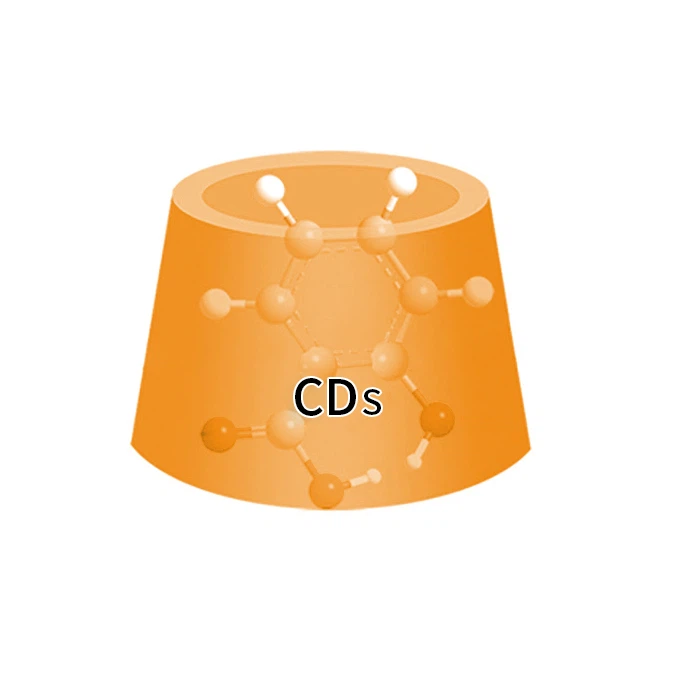
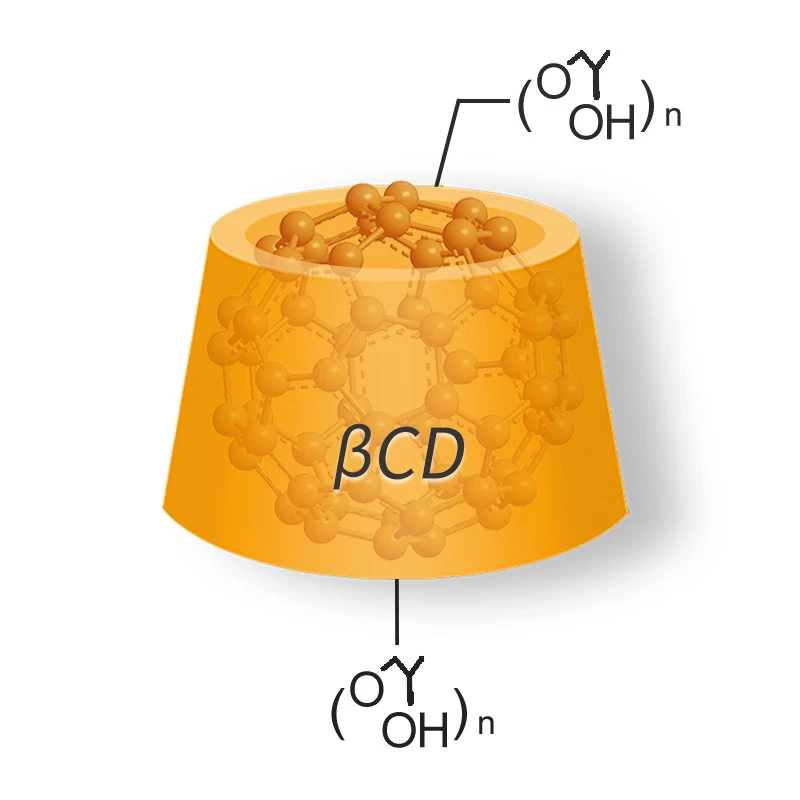
First off, let's talk a bit about what HPαCD is. It's a modified form of cyclodextrin, which is a type of cyclic oligosaccharide. Think of it like a tiny, molecular doughnut. This doughnut shape has a hydrophobic (water - hating) cavity on the inside and a hydrophilic (water - loving) exterior. These unique properties make HPαCD super useful in all sorts of applications, especially when it comes to dealing with lipids.
Lipids are a diverse group of molecules that include fats, oils, waxes, and some vitamins. They're essential for our bodies, playing roles in energy storage, cell membrane structure, and even signaling. But here's the thing: lipids are generally hydrophobic, which means they don't mix well with water. This can be a problem in many industries, like pharmaceuticals, cosmetics, and food, where you often need to dissolve or disperse lipids in aqueous solutions.
So, how does HPαCD come to the rescue? Well, it forms inclusion complexes with lipids. The hydrophobic cavity of HPαCD can encapsulate the lipid molecules, kind of like a little molecular hug. When the lipid gets inside the cavity, it's shielded from the surrounding water, allowing the whole complex to dissolve in an aqueous environment. This is a game - changer for a lot of applications.
In the pharmaceutical industry, for example, many drugs are lipid - soluble. But getting these drugs into the bloodstream can be a challenge because our bodies are mostly made up of water. By using HPαCD to form inclusion complexes with these lipid - based drugs, we can improve their solubility and bioavailability. This means that more of the drug can be absorbed by the body, making it more effective. It's like making sure that the medicine actually gets to where it needs to go!
In cosmetics, lipids are used for their moisturizing and emollient properties. But formulating products with lipids can be tricky because they can separate from the water - based components. HPαCD can help keep the lipids well - dispersed in the product, giving it a more stable and homogeneous texture. It also allows for better delivery of lipid - based active ingredients, like vitamins and antioxidants, to the skin. For instance, you can check out our Fullerene Inclusion Complex, which uses the power of HPαCD to enhance the delivery of fullerene, a potent antioxidant, to the skin.
The food industry also benefits from the interaction between HPαCD and lipids. Lipids can contribute to the flavor and texture of foods, but they can also go rancid over time, leading to off - flavors and reduced shelf life. By forming inclusion complexes with lipids, HPαCD can protect them from oxidation and other degradation processes. This helps to maintain the quality and freshness of food products for longer periods.
Now, let's get into the nitty - gritty of how this interaction actually happens at the molecular level. The formation of an inclusion complex between HPαCD and a lipid is a dynamic process. It's driven by a combination of hydrophobic interactions, van der Waals forces, and sometimes hydrogen bonding. The lipid molecule will approach the HPαCD, and if it's the right size and shape, it will start to slip into the cavity. The hydrophobic parts of the lipid interact with the hydrophobic interior of the cavity, while the hydrophilic exterior of HPαCD keeps the whole complex soluble in water.
The stability of the inclusion complex depends on several factors. One of the most important is the size and structure of the lipid molecule. If the lipid is too large or has an irregular shape, it may not fit well into the cavity, resulting in a weaker or less stable complex. Temperature also plays a role. Higher temperatures can increase the kinetic energy of the molecules, making it easier for the lipid to enter the cavity, but it can also make the complex more likely to break apart.
Another factor is the concentration of HPαCD and lipids. In general, increasing the concentration of HPαCD will increase the likelihood of complex formation. But there's a limit. At very high concentrations, the HPαCD molecules may start to interact with each other, forming aggregates that can interfere with the complexation process.
We've also been doing a lot of research on how different types of lipids interact with HPαCD. For example, saturated and unsaturated lipids have different physical and chemical properties, which can affect how they form complexes. Unsaturated lipids, with their double bonds, may have a different shape and flexibility compared to saturated lipids, leading to differences in complex stability and formation kinetics.
In addition to the common applications I mentioned earlier, there are some emerging uses of the HPαCD - lipid interaction. In the field of nanotechnology, for example, the inclusion complexes can be used to create nanoparticles with controlled release properties. The lipid - loaded HPαCD complexes can be further modified to form nanoparticles that can target specific cells or tissues in the body. This has potential applications in cancer treatment, where you want to deliver drugs directly to tumor cells.
In the area of environmental science, HPαCD can be used to remediate lipid - contaminated soils and water. By forming complexes with the lipids, it can help to solubilize and remove them from the environment, reducing pollution.
If you're in the business of pharmaceuticals, cosmetics, food, or any other industry that deals with lipids, you might be interested in our other inclusion complex products too. Check out our 10% Baicalein Inclusion Complex and 50% Salicylic Acid Inclusion Complex. These products also take advantage of the unique properties of HPαCD to enhance the solubility and performance of their active ingredients.
If you're looking for a reliable supplier of Hydroxypropyl Alpha Cyclodextrin and want to learn more about how it can work for your specific application, don't hesitate to reach out. We're here to help you find the best solutions for your needs. Whether you're a small startup or a large corporation, we can provide you with high - quality HPαCD and the technical support you need.
In conclusion, the interaction between Hydroxypropyl Alpha Cyclodextrin and lipids is a fascinating and useful phenomenon. It has a wide range of applications across multiple industries, from improving drug delivery to enhancing the quality of food and cosmetics. As we continue to explore and understand this interaction better, I'm sure we'll find even more innovative uses for HPαCD in the future.
References
- Szejtli, J. (1998). Introduction and general overview of cyclodextrin chemistry. Chemical Reviews, 98(5), 1743 - 1753.
- Loftsson, T., & Duchêne, D. (2007). Cyclodextrins and their pharmaceutical applications. International Journal of Pharmaceutics, 329(1 - 2), 1 - 11.
- Brewster, M. E., & Loftsson, T. (2007). Cyclodextrins as pharmaceutical solubilizers. Advanced Drug Delivery Reviews, 59(7), 645 - 666.


