

Hey there! As a supplier of 66% Water - soluble Azelaic Acid, I've been getting a ton of questions lately about whether it's good for an acne - prone scalp. So, I thought I'd dive deep into this topic and share what I know.
First off, let's talk about what azelaic acid is. Azelaic acid is a naturally occurring acid that's found in grains like barley, wheat, and rye. It's been used in skincare for ages because of its antibacterial, anti - inflammatory, and keratolytic properties. These properties make it a great candidate for treating acne, as it can help kill the bacteria that cause breakouts, reduce redness and swelling, and unclog pores.
Now, when it comes to the scalp, acne can be a real pain in the... well, scalp. It can be caused by a variety of factors, such as excess oil production, hormonal changes, poor hygiene, or the use of certain hair products. An acne - prone scalp can be itchy, uncomfortable, and even embarrassing.
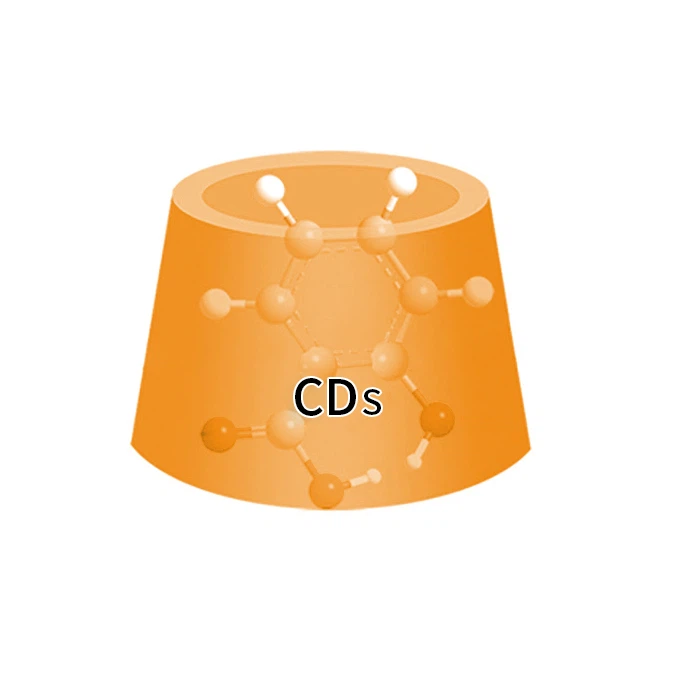
So, is 66% water - soluble azelaic acid a good solution for an acne - prone scalp? The answer, in my opinion, is a resounding yes! Here's why:
Antibacterial Action
One of the main culprits behind scalp acne is a bacteria called Propionibacterium acnes. This bacteria thrives in the oily environment of the scalp and can cause inflammation and breakouts. 66% water - soluble azelaic acid has been shown to have strong antibacterial properties against P. acnes. It works by interfering with the bacteria's metabolism, preventing it from growing and multiplying. By reducing the number of bacteria on the scalp, azelaic acid can help clear up existing acne and prevent new breakouts from forming.
Anti - inflammatory Effects
Inflammation is another key factor in scalp acne. When the skin on the scalp becomes inflamed, it can lead to redness, swelling, and pain. Azelaic acid has anti - inflammatory properties that can help calm down the inflamed skin. It works by inhibiting the production of pro - inflammatory cytokines, which are chemicals that cause inflammation in the body. By reducing inflammation, azelaic acid can help soothe the scalp and reduce the discomfort associated with acne.
Keratolytic Properties
Keratolytic agents help to break down and remove the dead skin cells that can clog pores and contribute to acne. 66% water - soluble azelaic acid is a mild keratolytic, which means it can gently exfoliate the scalp and unclog pores. By removing the buildup of dead skin cells, azelaic acid can prevent the formation of comedones (blackheads and whiteheads) and allow the skin on the scalp to breathe.
Hormonal Regulation
Hormonal changes can also play a role in scalp acne, especially in women. Androgens, which are male hormones that are also present in women, can stimulate the sebaceous glands on the scalp to produce more oil. This excess oil can lead to clogged pores and acne. Azelaic acid has been shown to have some anti - androgenic effects, which means it can help regulate hormonal activity and reduce oil production on the scalp.
How to Use 66% Water - soluble Azelaic Acid on the Scalp
If you're thinking about using 66% water - soluble azelaic acid on your scalp, here are some tips on how to do it safely and effectively:
- Patch Test First: Before applying azelaic acid to your entire scalp, it's a good idea to do a patch test on a small area of skin behind your ear or on your neck. This will help you determine if you have any allergic reactions or sensitivities to the product.
- Dilute if Necessary: 66% is a relatively high concentration of azelaic acid, so you may want to dilute it with a carrier oil or a gentle shampoo if your scalp is sensitive. You can start with a lower concentration and gradually increase it as your scalp gets used to the product.
- Apply to Clean Scalp: Make sure your scalp is clean and dry before applying the azelaic acid. You can apply it directly to the affected areas of your scalp using a cotton ball or your fingertips.
- Leave it On: Leave the azelaic acid on your scalp for the recommended amount of time, usually 10 - 15 minutes. Then, rinse it off thoroughly with water.
- Moisturize: After using azelaic acid on your scalp, it's important to moisturize to prevent dryness and irritation. You can use a lightweight, non - comedogenic moisturizer or a natural oil like jojoba oil or coconut oil.
Other Products That Can Complement 66% Water - soluble Azelaic Acid
While 66% water - soluble azelaic acid can be very effective on its own, there are other products that can complement its effects and help you achieve even better results.
- 40% Water - soluble Azelaic Acid: If you find that 66% is too strong for your scalp, you can try using a lower concentration like 40%. It still has many of the same benefits but may be gentler on sensitive skin.
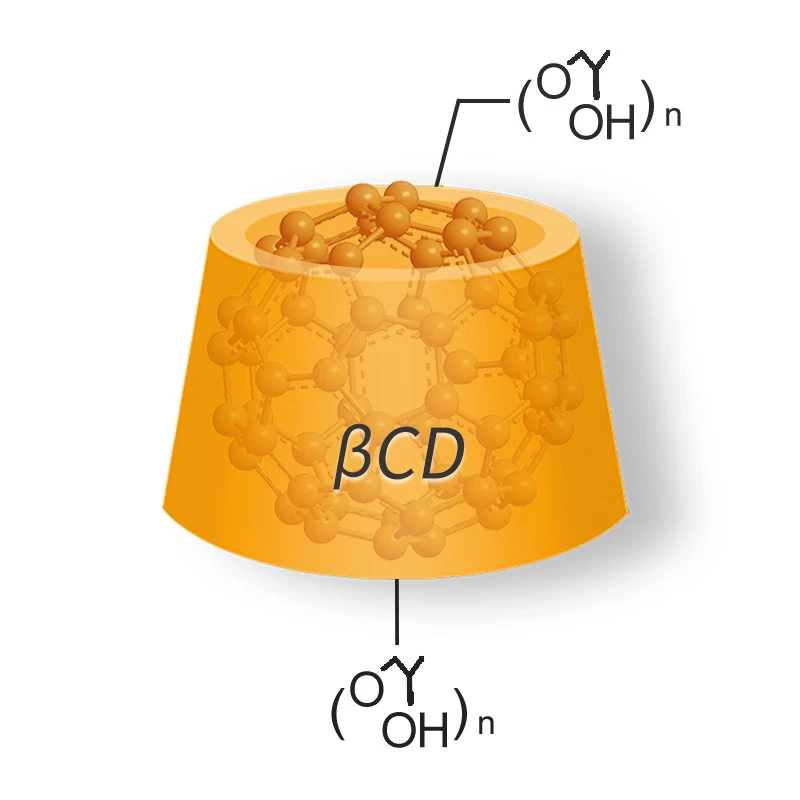
- Fullerene Inclusion Complex: Fullerene is a powerful antioxidant that can help protect the scalp from free radical damage. It can also help reduce inflammation and improve the overall health of the scalp.
- 10% Water - soluble Salicylic Acid Inclusion Complex: Salicylic acid is another great ingredient for treating acne. It has exfoliating properties that can help unclog pores and remove dead skin cells from the scalp.
Conclusion
In conclusion, 66% water - soluble azelaic acid can be a great option for treating an acne - prone scalp. Its antibacterial, anti - inflammatory, and keratolytic properties make it effective at clearing up existing acne and preventing new breakouts. However, as with any new product, it's important to use it safely and start with a patch test.
If you're interested in purchasing 66% water - soluble azelaic acid or any of the other products I mentioned, feel free to reach out for a procurement discussion. I'm here to help you find the best solutions for your scalp concerns.
References
- Webster, G. F. (2002). Azelaic acid: a review. Journal of the American Academy of Dermatology, 47(5 Suppl), S159 - S166.
- Thiboutot, D. (2004). New insights into the management of acne. Journal of Clinical and Aesthetic Dermatology, 11(1), 34 - 40.
- Zaenglein, A. L., et al. (2016). Guidelines of care for the management of acne vulgaris. Journal of the American Academy of Dermatology, 74(5), 945 - 973.


