

Methyl Beta Cyclodextrin (MβCD) has emerged as a versatile and valuable excipient in the pharmaceutical, food, and cosmetic industries. As a leading supplier of Methyl Beta Cyclodextrin (MβCD), we often receive inquiries about its compatibility with other excipients. In this blog post, we will delve into the topic of MβCD's compatibility, exploring the factors that influence it and providing insights based on scientific research and our practical experience.
Understanding Methyl Beta Cyclodextrin
Before discussing its compatibility, it's essential to understand what Methyl-β-cyclodextrin (beta-MCD) is. MβCD is a chemically modified derivative of beta-cyclodextrin, a cyclic oligosaccharide composed of seven glucose units. The methylation of beta-cyclodextrin enhances its solubility in water and organic solvents, making it more suitable for a wide range of applications.
MβCD has a unique molecular structure with a hydrophobic cavity and a hydrophilic outer surface. This structure allows it to form inclusion complexes with various guest molecules, such as drugs, flavors, and fragrances. By encapsulating these guest molecules, MβCD can improve their solubility, stability, bioavailability, and other properties.
Factors Affecting Compatibility
The compatibility of MβCD with other excipients depends on several factors, including the chemical nature of the excipients, the pH of the system, the temperature, and the presence of other additives. Let's take a closer look at each of these factors:
Chemical Nature of Excipients
The chemical nature of the excipients plays a crucial role in determining their compatibility with MβCD. Excipients can be classified into different categories based on their chemical properties, such as polymers, surfactants, antioxidants, and preservatives.
- Polymers: Polymers are commonly used in pharmaceutical formulations to control the release of drugs, improve the physical stability of the formulation, and enhance the adhesion of the formulation to the target site. MβCD can interact with polymers through various mechanisms, such as hydrogen bonding, hydrophobic interactions, and electrostatic interactions. The compatibility of MβCD with polymers depends on the type and concentration of the polymer, as well as the molecular weight and degree of substitution of MβCD.
- Surfactants: Surfactants are surface-active agents that can reduce the surface tension of a liquid and improve the wetting and dispersion of hydrophobic substances. MβCD can interact with surfactants through hydrophobic interactions and the formation of inclusion complexes. The compatibility of MβCD with surfactants depends on the type and concentration of the surfactant, as well as the hydrophobicity and solubility of MβCD.
- Antioxidants and Preservatives: Antioxidants and preservatives are used to prevent the oxidation and degradation of drugs and other active ingredients in pharmaceutical formulations. MβCD can interact with antioxidants and preservatives through various mechanisms, such as hydrogen bonding, hydrophobic interactions, and the formation of inclusion complexes. The compatibility of MβCD with antioxidants and preservatives depends on the type and concentration of the antioxidant or preservative, as well as the stability and reactivity of MβCD.
pH of the System
The pH of the system can also affect the compatibility of MβCD with other excipients. MβCD is a weak acid, and its solubility and stability can be influenced by the pH of the solution. At low pH values, MβCD can protonate and form positively charged species, which can interact with negatively charged excipients through electrostatic interactions. At high pH values, MβCD can deprotonate and form negatively charged species, which can interact with positively charged excipients through electrostatic interactions.
The pH of the system can also affect the formation and stability of inclusion complexes between MβCD and guest molecules. The optimal pH for the formation of inclusion complexes depends on the chemical nature of the guest molecule and the structure of MβCD.
Temperature
The temperature can also have an impact on the compatibility of MβCD with other excipients. Generally, an increase in temperature can enhance the solubility of MβCD and other excipients, as well as the rate of formation and dissociation of inclusion complexes. However, high temperatures can also cause the degradation of MβCD and other excipients, as well as the loss of volatile components in the formulation.
Therefore, it is important to consider the temperature range during the formulation development process and to choose excipients that are stable and compatible with MβCD at the intended storage and use temperatures.
Presence of Other Additives
The presence of other additives in the formulation can also affect the compatibility of MβCD with other excipients. For example, the presence of salts, buffers, and other electrolytes can affect the solubility and stability of MβCD and other excipients through ionic interactions. The presence of organic solvents can also affect the solubility and stability of MβCD and other excipients through hydrophobic interactions.
Therefore, it is important to consider the potential interactions between MβCD and other additives in the formulation and to choose additives that are compatible with MβCD and do not interfere with its performance.
Compatibility Studies
To determine the compatibility of MβCD with other excipients, compatibility studies are typically conducted during the formulation development process. These studies involve the evaluation of the physical and chemical stability of the formulation over time, as well as the assessment of the interaction between MβCD and other excipients.
Physical Compatibility
Physical compatibility studies involve the evaluation of the appearance, texture, and stability of the formulation. These studies can include visual inspection, microscopy, and particle size analysis. The goal of physical compatibility studies is to identify any changes in the physical properties of the formulation, such as precipitation, phase separation, or changes in viscosity or color.
Chemical Compatibility
Chemical compatibility studies involve the evaluation of the chemical stability of the formulation over time. These studies can include the analysis of the degradation products of the drugs and other active ingredients, as well as the assessment of the interaction between MβCD and other excipients. The goal of chemical compatibility studies is to identify any chemical reactions or interactions that can affect the stability and efficacy of the formulation.
Compatibility Testing Methods
There are several methods available for conducting compatibility studies, including:
- Differential Scanning Calorimetry (DSC): DSC is a thermal analysis technique that can be used to measure the heat flow associated with physical and chemical changes in a sample. DSC can be used to detect the melting point, glass transition temperature, and other thermal properties of MβCD and other excipients, as well as to identify any interactions or reactions between them.
- Fourier Transform Infrared Spectroscopy (FTIR): FTIR is a spectroscopic technique that can be used to analyze the chemical structure of a sample. FTIR can be used to detect the functional groups and chemical bonds in MβCD and other excipients, as well as to identify any interactions or reactions between them.
- Nuclear Magnetic Resonance (NMR) Spectroscopy: NMR is a spectroscopic technique that can be used to analyze the molecular structure and dynamics of a sample. NMR can be used to detect the chemical environment and conformation of MβCD and other excipients, as well as to identify any interactions or reactions between them.
- High-Performance Liquid Chromatography (HPLC): HPLC is a chromatographic technique that can be used to separate and analyze the components of a sample. HPLC can be used to detect the degradation products of the drugs and other active ingredients, as well as to assess the purity and stability of MβCD and other excipients.
Practical Considerations
Based on our experience as a CAS No 128446-36-6 Methyl cyclodextrin supplier, here are some practical considerations for ensuring the compatibility of MβCD with other excipients:
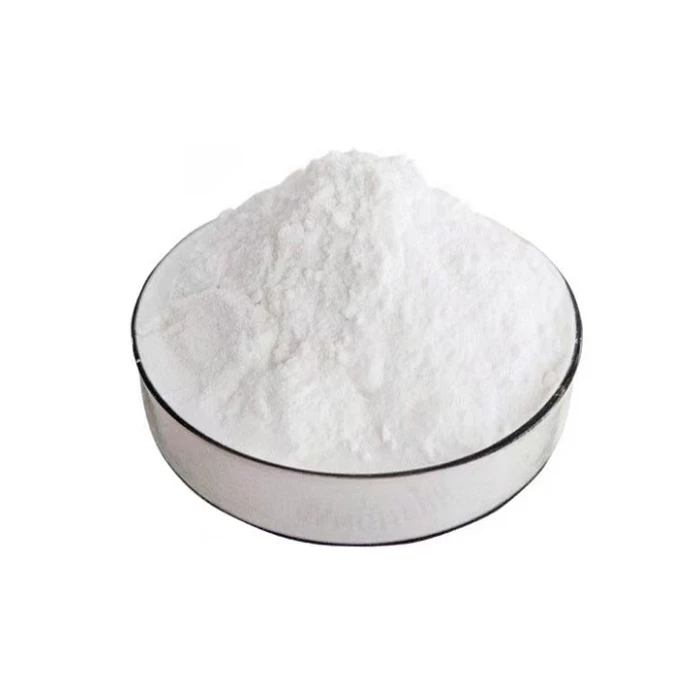

- Choose High-Quality Excipients: The quality of the excipients can have a significant impact on the compatibility and performance of the formulation. Therefore, it is important to choose high-quality excipients from reputable suppliers.
- Conduct Compatibility Studies Early in the Formulation Development Process: Compatibility studies should be conducted early in the formulation development process to identify any potential compatibility issues and to optimize the formulation.
- Consider the Intended Use and Storage Conditions of the Formulation: The intended use and storage conditions of the formulation can also affect the compatibility of MβCD with other excipients. Therefore, it is important to consider these factors when choosing excipients and conducting compatibility studies.
- Follow Good Manufacturing Practices (GMP): GMP is a set of guidelines and regulations that ensure the quality, safety, and efficacy of pharmaceutical products. Following GMP can help to ensure the consistency and reproducibility of the formulation, as well as the compatibility of MβCD with other excipients.
Conclusion
In conclusion, the compatibility of Methyl Beta Cyclodextrin (MβCD) with other excipients depends on several factors, including the chemical nature of the excipients, the pH of the system, the temperature, and the presence of other additives. Compatibility studies are essential for determining the compatibility of MβCD with other excipients and for optimizing the formulation.
As a leading supplier of MβCD, we are committed to providing high-quality products and technical support to our customers. If you have any questions or need further information about the compatibility of MβCD with other excipients, please do not hesitate to contact us. We look forward to working with you to develop innovative and effective formulations.
References
- Stella, V. J., & He, Q. (2008). Cyclodextrins. Toxicology and Applied Pharmacology, 225(3), 271-281.
- Loftsson, T., & Brewster, M. E. (1996). Pharmaceutical applications of cyclodextrins. 1. Drug solubilization and stabilization. Journal of Pharmaceutical Sciences, 85(10), 1017-1025.
- Szente, L., & Szejtli, J. (2004). Cyclodextrins in drug delivery. Expert Opinion on Drug Delivery, 1(2), 327-341.


