

As a supplier of cosmetic raw materials, I've witnessed firsthand the rapid evolution of the beauty industry. With the growing consumer demand for effective and innovative cosmetic products, the production of cosmetic raw materials has become a significant part of the global economy. However, it's crucial to understand the environmental impacts associated with this production process.
Resource Depletion
The production of cosmetic raw materials often requires a substantial amount of natural resources. For instance, many plant - based ingredients, such as aloe vera, shea butter, and essential oils, are in high demand. These plants need land, water, and nutrients to grow. Large - scale cultivation of these plants can lead to deforestation if not managed properly. Deforestation, in turn, disrupts ecosystems, reduces biodiversity, and contributes to climate change by releasing large amounts of carbon dioxide into the atmosphere.
Mineral - based raw materials are also widely used in cosmetics. Talc, for example, is a common ingredient in powders. The mining of talc can cause soil erosion, habitat destruction, and water pollution. Extracting minerals from the earth requires energy - intensive processes, which consume large amounts of fossil fuels. This not only depletes non - renewable energy sources but also releases greenhouse gases, contributing to global warming.
Chemical Pollution
The production of cosmetic raw materials involves various chemical processes. Many synthetic chemicals are used to create active ingredients, preservatives, and fragrances. These chemicals can have a significant impact on the environment.
During the manufacturing process, chemical waste is often generated. If not properly treated, this waste can contaminate soil, water, and air. For example, some heavy metals like lead, mercury, and cadmium may be present in cosmetic raw materials or released during production. These heavy metals are toxic to both humans and the environment. They can accumulate in the food chain, causing long - term health problems for animals and humans.
In addition, the use of certain chemicals in cosmetics can have a negative impact on aquatic life. For instance, some synthetic fragrances and preservatives can be toxic to fish and other aquatic organisms. When these chemicals enter water bodies through wastewater, they can disrupt the balance of aquatic ecosystems.
Water Consumption
Water is a vital resource in the production of cosmetic raw materials. From growing plant - based ingredients to chemical synthesis, water is used at every stage of the production process. The cultivation of crops for cosmetic use requires large amounts of irrigation water. In regions where water is scarce, this can lead to water shortages and competition for water resources.
Moreover, the manufacturing facilities for cosmetic raw materials also consume significant amounts of water for cleaning, cooling, and processing. The wastewater generated from these facilities often contains chemicals and pollutants. If not treated properly, this wastewater can contaminate water sources, making them unfit for human consumption and harming aquatic life.
Packaging Waste
The packaging of cosmetic raw materials also contributes to environmental problems. Most raw materials are packaged in plastic containers, glass bottles, or metal cans. These materials are often single - use, which means they end up in landfills after use. Plastic packaging, in particular, is a major concern as it takes hundreds of years to decompose. It can also break down into microplastics, which are ingested by marine animals and enter the food chain.
The production of packaging materials also requires energy and resources. For example, the production of glass bottles consumes large amounts of energy, and the extraction of raw materials for plastic production contributes to environmental degradation.
Sustainable Solutions
As a responsible supplier of cosmetic raw materials, we are committed to minimizing the environmental impacts of our production. We source our raw materials from sustainable suppliers who follow environmentally friendly practices. For example, we work with farmers who use organic farming methods, which reduce the use of pesticides and fertilizers and protect soil health.
We also invest in research and development to find more sustainable alternatives to traditional raw materials. For instance, we offer 40% Water-soluble Salicylic Acid, which is produced using more environmentally friendly processes. This ingredient is not only effective in cosmetics but also has a lower environmental footprint compared to some traditional alternatives.
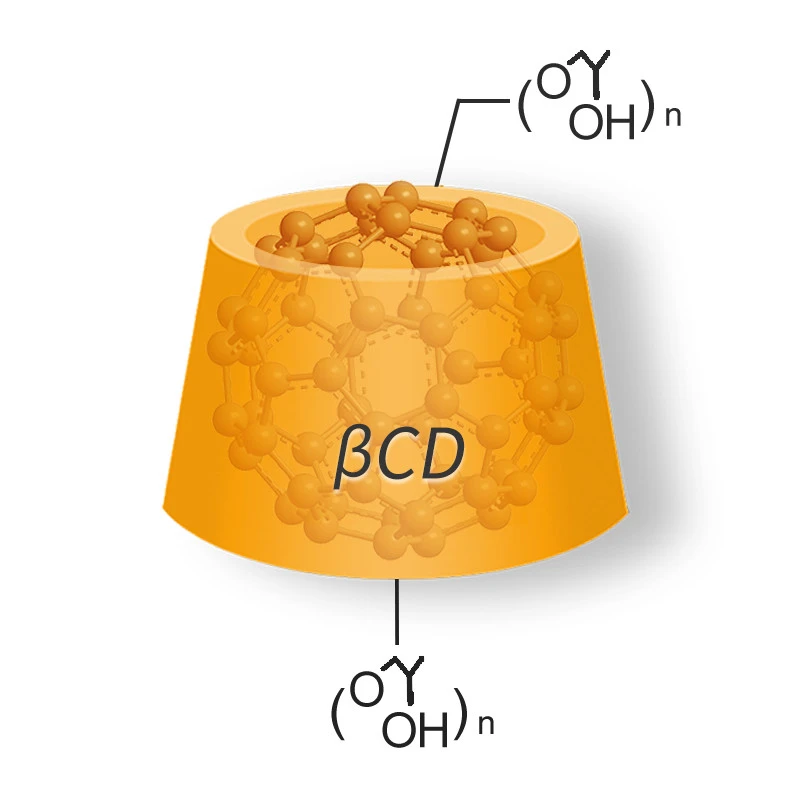
Another example is our Fullerene Inclusion Complex. Fullerene is a carbon - based molecule with unique properties. Our inclusion complex technology allows for better utilization of fullerene in cosmetics, reducing the amount of raw material needed while maintaining high performance.
We are also promoting the use of 10% Water-soluble Resveratrol. Resveratrol is a natural antioxidant, and our water - soluble form makes it easier to incorporate into cosmetic formulations, reducing the need for solvents and other potentially harmful chemicals.
In terms of packaging, we are exploring more sustainable packaging options. We are considering using biodegradable plastics, recycled materials, and refillable containers to reduce packaging waste.

Conclusion
The production of cosmetic raw materials has significant environmental impacts, including resource depletion, chemical pollution, water consumption, and packaging waste. However, by adopting sustainable practices, we can minimize these impacts. As a supplier, we have a responsibility to ensure that our products are not only of high quality but also environmentally friendly.
If you are interested in our sustainable cosmetic raw materials and would like to discuss potential partnerships or make a purchase, please feel free to reach out. We are always happy to engage in discussions about how we can work together to create a more sustainable future for the cosmetic industry.
References
- "Cosmetics and Personal Care Products: A Global Market Overview" by Market Research Report.
- "Environmental Impacts of Chemical Manufacturing" by Environmental Science Journal.
- "Sustainable Sourcing in the Cosmetic Industry" by Cosmetic Industry Magazine.


