

As a supplier of 40% water - soluble salicylic acid, I've witnessed a growing interest in this powerful ingredient within the cosmetic and skincare industries. Salicylic acid is well - known for its exfoliating and anti - inflammatory properties, but the high concentration of 40% brings unique long - term effects that both consumers and formulators should understand.
Understanding 40% Water - soluble Salicylic Acid
Salicylic acid is a beta - hydroxy acid (BHA) that has the ability to penetrate the skin's pores and dissolve sebum, dead skin cells, and other debris. The water - soluble form of 40% salicylic acid is particularly useful as it can be easily incorporated into various formulations. This high - concentration product is often used in professional skincare treatments, peels, and in some advanced over - the - counter products.
Long - term Effects on Skin Exfoliation
One of the most significant long - term effects of using 40% water - soluble salicylic acid is continuous and enhanced skin exfoliation. In the short term, salicylic acid works by breaking down the bonds between dead skin cells, allowing them to be sloughed off more easily. Over an extended period, this leads to a smoother skin texture. The skin becomes less prone to rough patches, and the overall appearance of the complexion is refined.
Regular exfoliation with 40% water - soluble salicylic acid can also stimulate the production of new skin cells. As the old, dead cells are removed, the body responds by generating fresh, healthy cells. This process can improve the skin's ability to repair itself and can reduce the visibility of fine lines and wrinkles over time. However, it's crucial to note that excessive exfoliation can cause the skin to become overly sensitive. Therefore, it's recommended to use this product under the guidance of a skincare professional, especially when using it in high concentrations.
Impact on Acne and Blemishes
Acne is often caused by clogged pores, excess sebum production, and the presence of bacteria on the skin. 40% water - soluble salicylic acid can have profound long - term effects in managing acne. By penetrating the pores and dissolving the sebum and debris that cause clogging, it helps to prevent the formation of new acne lesions.
Over time, consistent use can reduce the frequency and severity of breakouts. The anti - inflammatory properties of salicylic acid also play a key role. Inflammatory acne, such as papules and pustules, can be reduced as the high - concentration salicylic acid calms the irritated skin. However, it's important to manage expectations. While it can significantly improve acne, it may not completely eliminate all cases, especially in individuals with severe hormonal acne.
Skin Tone and Hyperpigmentation
Another long - term effect of using 40% water - soluble salicylic acid is its impact on skin tone and hyperpigmentation. Hyperpigmentation, including dark spots and uneven skin tone, can be caused by sun damage, acne scars, and hormonal fluctuations. The exfoliating properties of salicylic acid gradually remove the outer layer of skin where the excess melanin is stored.
As the skin exfoliates more regularly, the appearance of dark spots and unevenness can be reduced. With long - term and proper use, the overall skin tone can become more even and brighter. However, this process takes time, and consistent application is required for visible results. It's also essential to combine the use of salicylic acid with proper sun protection, as the exfoliated skin is more sensitive to UV rays.
Potential Long - term Drawbacks
While there are many positive long - term effects, there are also potential drawbacks. The high concentration of 40% water - soluble salicylic acid can cause skin irritation, especially if used incorrectly. Over time, if the skin is not given enough time to recover between applications, it can lead to redness, dryness, and a weakened skin barrier.
The skin's natural moisture - retaining ability may be compromised, making it feel tight and uncomfortable. Additionally, individuals with sensitive skin may experience more severe reactions, such as burning or itching. Therefore, patch - testing is highly recommended before starting regular use, and it's advisable to start with a lower frequency of application.

Complementary Ingredients
When using 40% water - soluble salicylic acid, it's beneficial to combine it with other skincare ingredients to enhance its effects and mitigate potential side effects. For example, 10% Water - soluble Resveratrol is a powerful antioxidant that can protect the skin from oxidative stress. The combination of salicylic acid's exfoliation and resveratrol's antioxidant properties can result in healthier, more radiant skin over the long term.
8% Raspberry Ketone Inclusion Complex can also be a valuable addition. Raspberry ketone has been shown to have anti - inflammatory and anti - aging properties, which can complement the exfoliating and anti - acne effects of salicylic acid.
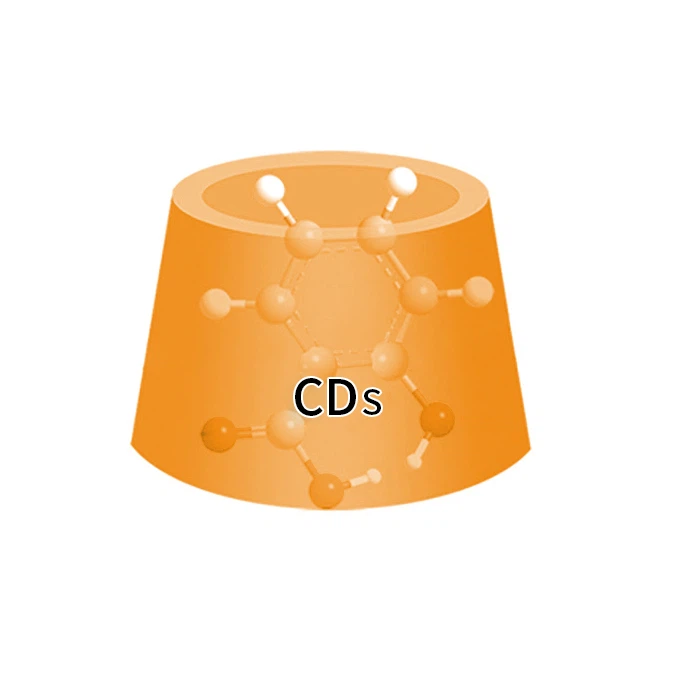
For individuals who are concerned about the sensitivity caused by high - concentration salicylic acid, 10% Water - soluble Salicylic Acid Inclusion Complex can be used in rotation or in combination. This lower - concentration product can provide a more gentle exfoliation while still offering some of the benefits of salicylic acid.
Using 40% Water - soluble Salicylic Acid in Skincare Formulations
As a supplier, I understand the importance of proper formulation when using 40% water - soluble salicylic acid. When formulating products, it's essential to consider the pH level. Salicylic acid works best at a pH range of 3 - 4.5. If the pH is too high, the acid may not be as effective, and if it's too low, it can increase the risk of skin irritation.
The formulation should also include moisturizing and soothing ingredients. Hyaluronic acid, for example, can help to keep the skin hydrated, while aloe vera can soothe any potential irritation. By carefully formulating products with 40% water - soluble salicylic acid, manufacturers can create products that are both effective and safe for long - term use.
Contact for Procurement
If you're interested in incorporating 40% water - soluble salicylic acid into your skincare products, or if you have any questions about its long - term effects and usage, I encourage you to reach out. Our team of experts is ready to assist you in understanding the best practices for using this powerful ingredient and can provide you with high - quality products. We look forward to discussing your specific needs and how we can support your business in the skincare industry.
References
- Draelos, Z. D. (2003). Salicylic acid: a review of its chemistry, pharmacology, and use in dermatology. Journal of Cosmetic Dermatology, 2(2), 85 - 90.
- Webster, G. F. (2002). The role of salicylic acid in acne treatment. Journal of the American Academy of Dermatology, 47(5 Suppl), S120 - S126.
- Bissett, D. L., Oblong, J. E., & Berge, C. A. (1999). A 12 - month study of the clinical efficacy of a topical retinol product. Dermatologic Surgery, 25(10), 836 - 842.


