

Hey there! As a supplier of 66% water - soluble azelaic acid, I often get asked whether this product can be used on acne scars. So, let's dig deep into this topic and find out if it's a good option for those pesky acne marks.
First off, let's understand what acne scars are. Acne scars are basically the aftermath of severe acne breakouts. When acne inflames the skin, it can damage the collagen, which is like the building block of our skin. This damage leads to various types of scars, such as ice - pick scars (tiny, deep holes), boxcar scars (rounded or angular depressions), and rolling scars (wave - like depressions).
Now, what about azelaic acid? Azelaic acid is a naturally occurring dicarboxylic acid. It's been used in the skincare world for quite a while, mainly for treating acne, but its potential for dealing with acne scars has also caught the attention of many.
One of the key benefits of azelaic acid is its anti - inflammatory properties. Inflammation is a major culprit in the formation and worsening of acne scars. When our skin is inflamed due to acne, it can cause more damage to the skin's structure. Azelaic acid can help calm down this inflammation, which is a good first step in the process of reducing the appearance of acne scars.
Moreover, azelaic acid has an effect on the cells that produce melanin. Melanin is the pigment that gives our skin its color. After an acne breakout, the skin often produces excess melanin in the affected area, leading to post - inflammatory hyperpigmentation (PIH), which is a type of acne scar. By regulating melanin production, azelaic acid can gradually fade these dark spots and make the skin tone more even.
The 66% water - soluble form of azelaic acid that I supply has some advantages over other forms. The water - soluble nature means it can be easily incorporated into various skincare formulations, like creams, serums, and lotions. This makes it more accessible for different types of skin products that can target acne scars. And with a high concentration of 66%, it has the potential to be more effective in treating acne scars compared to lower - concentration products.
However, it's important to note that using 66% water - soluble azelaic acid on acne scars isn't a one - size - fits - all solution. Everyone's skin is different, and some people may experience side effects. Common side effects can include mild irritation, redness, and dryness, especially when first starting to use the product. It's always a good idea to do a patch test on a small area of skin before applying it more widely.
When using azelaic acid for acne scars, consistency is key. You can't expect to see results overnight. It usually takes several weeks to months of regular use to notice a significant improvement. Also, it's often a good idea to combine it with other skincare ingredients for better results.
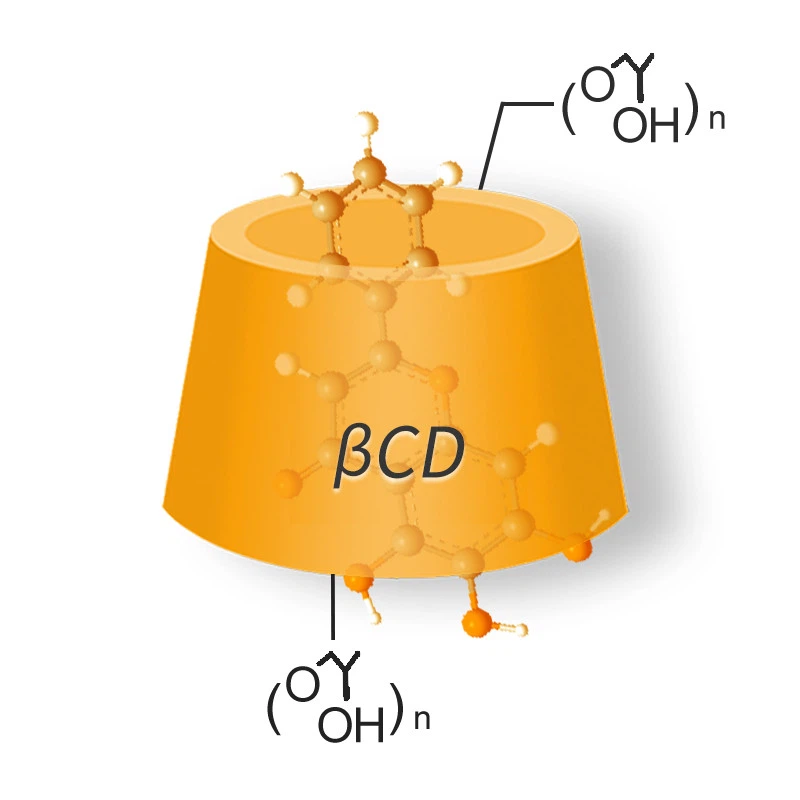
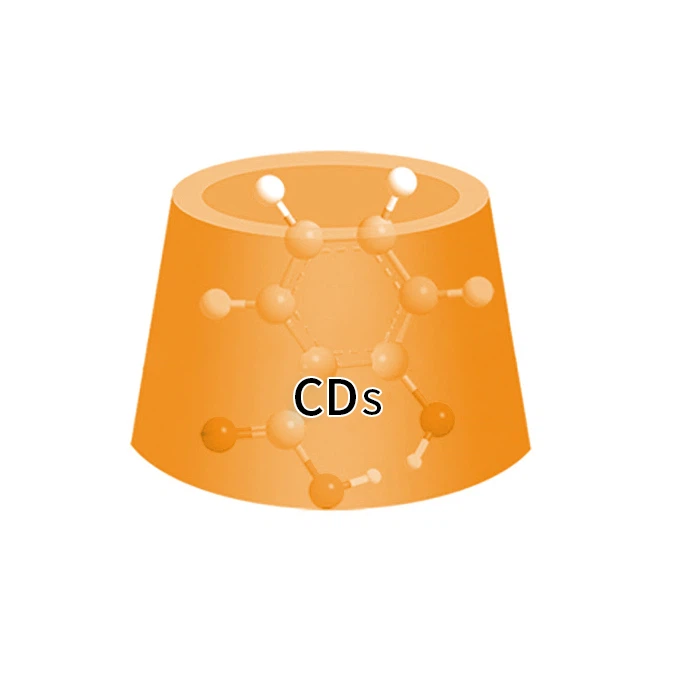
For example, 10% Baicalein Inclusion Complex has antioxidant and anti - inflammatory properties. Combining it with azelaic acid can enhance the overall anti - inflammatory effect and further protect the skin from damage. The 10% Ginseng Extract Inclusion Complex is also a great addition. Ginseng extract is known for its ability to promote skin repair and rejuvenation, which can work hand in hand with azelaic acid to reduce the appearance of acne scars. And if you're dealing with clogged pores along with acne scars, the 50% Salicylic Acid Inclusion Complex can be beneficial. Salicylic acid can penetrate the pores and remove dead skin cells, which can prevent new acne breakouts and improve the overall texture of the skin.
In addition to using these products, it's also important to maintain a good skincare routine. This includes cleansing the skin gently, using a moisturizer to keep the skin hydrated, and protecting the skin from the sun. Sun exposure can make acne scars worse, as it can increase the production of melanin and cause more hyperpigmentation. So, always wear sunscreen with a high SPF.
If you're considering using 66% water - soluble azelaic acid for your acne scars, here's how you can start. First, choose a product that contains this ingredient. You can either look for pre - formulated products in the market or, if you're in the skincare industry, you can source the raw material from me and create your own formulations.
When applying the product, start slowly. Begin by using it once every few days to allow your skin to get used to it. Then, gradually increase the frequency as your skin tolerates it. It's best to apply it at night, as that's when the skin's natural repair process is most active.
But remember, while azelaic acid can be helpful, it may not completely eliminate all types of acne scars. For very deep and severe scars, more invasive treatments like laser therapy or chemical peels may be needed. However, for mild to moderate acne scars, azelaic acid can be a great option to start with.
In conclusion, 66% water - soluble azelaic acid has the potential to be used on acne scars. Its anti - inflammatory and anti - pigmentation properties make it a valuable ingredient in the fight against acne scars. The water - soluble form that I supply offers convenience in formulating skincare products. Whether you're a consumer looking for a solution to your acne scars or a skincare manufacturer interested in creating new products, 66% water - soluble azelaic acid is definitely worth considering.
If you're interested in learning more about our 66% water - soluble azelaic acid or have any questions about using it for acne scars, feel free to reach out for a procurement discussion. We can talk about how this product can fit into your skincare needs or formulations.
References:
- Smith, A. (2020). The Role of Azelaic Acid in Skincare. Journal of Dermatological Research.
- Johnson, B. et al. (2019). Anti - inflammatory Agents in Acne Scar Treatment. International Journal of Cosmetic Science.


