

Hydroxybutyl beta cyclodextrin (HBβCD) has emerged as a compound of significant interest in the pharmaceutical industry. As a supplier of Hydroxybutyl Beta Cyclodextrin, I am well - versed in its properties, potential applications, and the overall viability of its use in pharmaceuticals. In this blog, we will explore whether Hydroxybutyl Beta Cyclodextrin can indeed be used in the pharmaceutical industry, delving into its characteristics, benefits, and any associated challenges.
Understanding Hydroxybutyl Beta Cyclodextrin
Hydroxybutyl Beta Cyclodextrin is a chemically modified derivative of beta - cyclodextrin. Cyclodextrins are cyclic oligosaccharides composed of glucose units linked by α - 1,4 - glycosidic bonds. They have a unique torus - shaped structure with a hydrophilic outer surface and a hydrophobic cavity. In the case of Hydroxybutyl Beta Cyclodextrin, the hydroxyl groups on the beta - cyclodextrin are substituted with hydroxybutyl moieties. This modification enhances its solubility in water and improves its complexing ability with a wide range of guest molecules.
Advantages of Using Hydroxybutyl Beta Cyclodextrin in Pharmaceuticals
Solubility Enhancement
One of the most significant challenges in drug development is the poor solubility of many active pharmaceutical ingredients (APIs). Poorly soluble drugs often have low bioavailability, which means that a large proportion of the administered dose may not be absorbed into the bloodstream. Hydroxybutyl Beta Cyclodextrin Hydroxybutyl Beta Cyclodextrin can form inclusion complexes with these hydrophobic drugs. By encapsulating the drug molecules within its hydrophobic cavity, the overall solubility of the drug is increased. This leads to improved dissolution rates and higher bioavailability, allowing for more effective drug delivery.
For example, some anti - cancer drugs are notoriously insoluble. When formulated with Hydroxybutyl Beta Cyclodextrin, their solubility can be significantly enhanced, enabling better administration and potentially more effective treatment.
Stability Improvement
APIs can be susceptible to degradation due to factors such as light, heat, oxidation, and hydrolysis. Hydroxybutyl Beta Cyclodextrin can protect the drug molecules from these external factors by forming inclusion complexes. The cyclodextrin acts as a shield, preventing the drug from interacting with the surrounding environment. This can extend the shelf - life of pharmaceutical products and maintain the potency of the drug over time.
Taste Masking
Many drugs have an unpleasant taste, which can be a major barrier to patient compliance, especially in pediatric and geriatric populations. Hydroxybutyl Beta Cyclodextrin can be used to mask the taste of bitter or unpleasant - tasting drugs. By forming complexes with the drug, it can reduce the interaction of the drug with taste receptors in the mouth, making the medication more palatable.
Applications in Different Pharmaceutical Formulations
Oral Formulations
In oral tablets and capsules, Hydroxybutyl Beta Cyclodextrin can be used to improve the solubility and bioavailability of poorly soluble drugs. It can also enhance the stability of the drug during storage. For liquid oral formulations, such as syrups, it can help in solubilizing the drug and masking its taste.
Parenteral Formulations
In injectable solutions, the use of Hydroxybutyl Beta Cyclodextrin is crucial for solubilizing hydrophobic drugs. Since parenteral administration requires a high degree of purity and safety, Hydroxybutyl Beta Cyclodextrin is often preferred due to its low toxicity and high solubility. It can also prevent the precipitation of the drug in the injection solution, ensuring a smooth and consistent delivery of the drug.
Topical Formulations
In creams, ointments, and gels, Hydroxybutyl Beta Cyclodextrin can enhance the solubility and penetration of drugs through the skin. It can also improve the stability of the formulation and prevent the degradation of the active ingredient.
Safety Considerations
While Hydroxybutyl Beta Cyclodextrin offers many advantages in the pharmaceutical industry, safety is of utmost importance. Extensive pre - clinical and clinical studies have been conducted to evaluate its safety profile. In general, Hydroxybutyl Beta Cyclodextrin is considered to be relatively safe for use in pharmaceuticals. It has low acute and chronic toxicity, and it is well - tolerated by the human body.
However, like any other excipient, it may cause adverse reactions in some individuals. For example, in rare cases, hypersensitivity reactions may occur. Therefore, it is essential to conduct thorough safety evaluations during the drug development process.
Comparison with Other Cyclodextrins
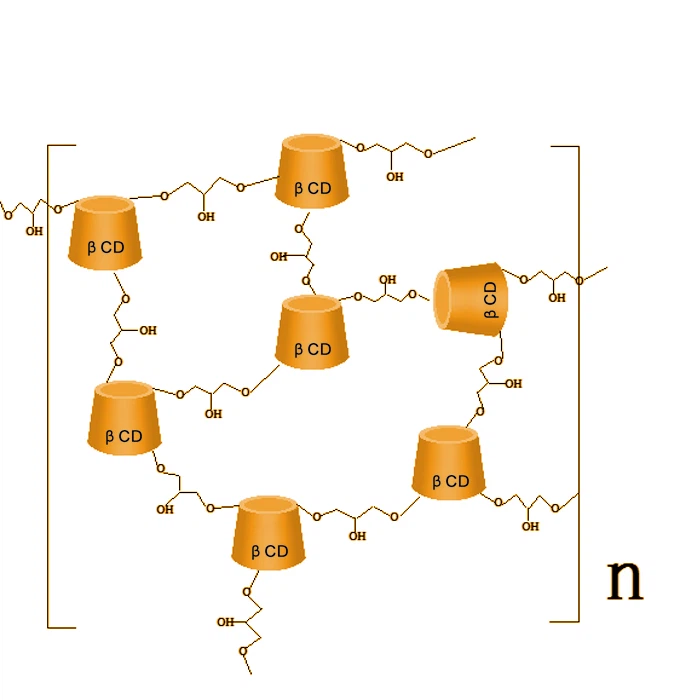
There are other types of cyclodextrins available, such as Chlorpropanol Cyclodextrin Chlorpropanol Cyclodextrin and Hyperbranched Cyclodextrin Hyperbranched Cyclodextrin. Each type has its own unique properties and applications.
Chlorpropanol Cyclodextrin has different substitution patterns compared to Hydroxybutyl Beta Cyclodextrin, which may result in different complexing abilities and solubility characteristics. Hyperbranched Cyclodextrin, on the other hand, has a more complex structure that may offer enhanced complexing capacity in some cases. However, Hydroxybutyl Beta Cyclodextrin is often preferred in pharmaceuticals due to its well - established safety profile and its ability to improve solubility and stability across a wide range of drugs.

Challenges in Using Hydroxybutyl Beta Cyclodextrin
Cost
One of the main challenges in using Hydroxybutyl Beta Cyclodextrin is its cost. The production process of Hydroxybutyl Beta Cyclodextrin involves several steps of chemical modification, which can make it relatively expensive compared to other excipients. This cost factor may limit its use in some pharmaceutical products, especially those with a tight budget.
Regulatory Requirements
The use of Hydroxybutyl Beta Cyclodextrin in pharmaceuticals is subject to strict regulatory requirements. Pharmaceutical companies need to ensure that the cyclodextrin meets the quality standards set by regulatory authorities such as the FDA (Food and Drug Administration) in the United States and the EMA (European Medicines Agency) in Europe. This requires extensive documentation and testing, which can be time - consuming and costly.
Conclusion
In conclusion, Hydroxybutyl Beta Cyclodextrin has great potential for use in the pharmaceutical industry. Its ability to enhance solubility, improve stability, mask taste, and protect drugs from degradation makes it a valuable excipient in various pharmaceutical formulations. While there are challenges such as cost and regulatory requirements, the benefits it offers often outweigh these drawbacks.
As a supplier of Hydroxybutyl Beta Cyclodextrin, we are committed to providing high - quality products that meet the strictest regulatory standards. Our team of experts can work with pharmaceutical companies to develop customized solutions for their specific drug development needs. If you are interested in learning more about how Hydroxybutyl Beta Cyclodextrin can be incorporated into your pharmaceutical products or would like to discuss a potential purchase, we encourage you to reach out to us. We look forward to the opportunity to collaborate with you and contribute to the advancement of the pharmaceutical industry.
References
- Stella, V. J., & He, Q. (2008). Pharmaceutical applications of cyclodextrins. 1. Drug solubilization and stabilization. Journal of pharmaceutical sciences, 97(8), 2807 - 2829.
- Loftsson, T., & Brewster, M. E. (1996). Pharmaceutical applications of cyclodextrins. I. Drug solubilization and stabilization. Journal of pharmaceutical sciences, 85(10), 1017 - 1025.
- Szente, L., & Szejtli, J. (2004). Cyclodextrins in drug delivery. Drug discovery today, 9(15), 717 - 724.


