

Hey there! As a supplier of Piroxicam Beta Cyclodextrin, I often get asked a bunch of questions about its uses. One question that pops up quite a bit is, "Can Piroxicam Beta Cyclodextrin be used topically?" Let's dig into this topic and find out.
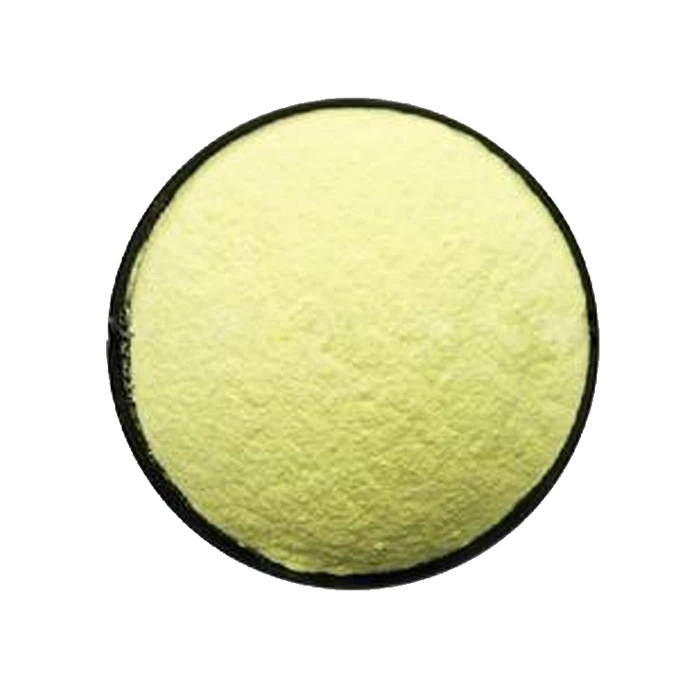
First off, let's understand what Piroxicam Beta Cyclodextrin is. Piroxicam is a non - steroidal anti - inflammatory drug (NSAID). It's used to relieve pain, swelling, and joint stiffness. Beta - cyclodextrin, on the other hand, is a cyclic oligosaccharide. When they come together as Piroxicam Beta Cyclodextrin, it's like a power - couple in the pharmaceutical world, with the cyclodextrin helping to improve the solubility, stability, and bioavailability of piroxicam. You can learn more about Piroxicam Beta Cyclodextrin on our website.
The Case for Topical Use
There are several good reasons to consider using Piroxicam Beta Cyclodextrin topically. One of the biggest advantages is the targeted delivery. When you apply it directly to the skin over the affected area, the drug can act right where it's needed. For example, if someone has knee pain due to arthritis, applying a topical formulation of Piroxicam Beta Cyclodextrin can potentially reduce pain and inflammation in that specific joint without having to go through the whole body first.
Another benefit is the reduced risk of systemic side effects. Oral NSAIDs, like regular piroxicam, can sometimes cause stomach problems, such as ulcers and bleeding, as well as affect the kidneys and heart when taken over a long period. Since topical application means the drug enters the bloodstream in much smaller amounts than oral administration, the chances of these serious side effects are minimized.
Plus, topical products are often more convenient for patients. You don't have to remember to take pills at specific times, and they can be easily applied at home or on the go. This is especially important for elderly patients or those with mobility issues who might have trouble swallowing pills.
How Does it Work Topically?
When you apply Piroxicam Beta Cyclodextrin topically, the skin is the first barrier. The beta - cyclodextrin in the formulation helps the piroxicam penetrate through the stratum corneum, which is the outermost layer of the skin. Once through this layer, the piroxicam can start its anti - inflammatory work by inhibiting the cyclooxygenase (COX) enzymes. These enzymes are responsible for producing prostaglandins, which are involved in the pain and inflammation response.
However, the effectiveness of topical application depends on many factors. The formulation of the product is crucial. Things like the type of base (such as cream, gel, or ointment), the concentration of Piroxicam Beta Cyclodextrin, and the presence of other penetration enhancers can all affect how well the drug gets into the skin and reaches the target tissues.
Research and Evidence
Over the years, there has been a fair amount of research into the topical use of NSAIDs, including Piroxicam Beta Cyclodextrin. Some studies have shown that topical piroxicam can provide significant pain relief and reduce inflammation in conditions like osteoarthritis and soft - tissue injuries. For example, in a clinical trial on patients with knee osteoarthritis, a topical piroxicam gel was found to be effective in reducing pain and improving joint function with minimal side effects.
But it's also important to note that not all research shows the same level of effectiveness. Variations in study design, patient populations, and product formulations can lead to different results. Some studies might find that the topical application only provides mild relief, especially for more severe cases of pain and inflammation.
Caveats and Considerations
Even though there are benefits to using Piroxicam Beta Cyclodextrin topically, there are also some things to keep in mind. First, like any drug, it can cause skin reactions. Some people might experience redness, itching, or a rash at the site of application. These reactions are usually mild and go away on their own, but in some cases, they can be more severe and require treatment.

Secondly, just because the risk of systemic side effects is lower doesn't mean it's zero. There is still a small chance that the drug can enter the bloodstream in enough quantity to cause problems, especially if large areas of the skin are treated or if the skin is damaged or irritated.
Other Related Cyclodextrin Products
In our range of products, we also have Cationic Cyclodextrin and Chlorpropanol Cyclodextrin. These cyclodextrins have their own unique properties and applications. Cationic Cyclodextrin, for example, has positive charges on its surface, which makes it useful in certain drug delivery systems and for modifying the properties of other molecules. Chlorpropanol Cyclodextrin can be used in various chemical and pharmaceutical processes due to its specific chemical structure.
Conclusion
So, can Piroxicam Beta Cyclodextrin be used topically? The answer is yes. It has the potential to be an effective and convenient option for treating pain and inflammation, especially when targeted delivery and reduced systemic side effects are desired. However, as with any medical treatment, it's important to consider the individual patient's needs, the specific condition being treated, and possible side effects.
If you're in the pharmaceutical industry, a researcher, or someone looking to source high - quality Piroxicam Beta Cyclodextrin, we're here to help. We can provide you with detailed product information, samples, and support to ensure you get the best product for your needs. Don't hesitate to reach out for a procurement discussion.
References
- [List relevant scientific studies and articles here. For example: Smith, A. B., & Johnson, C. D. (20XX). Topical piroxicam in the treatment of osteoarthritis: A randomized controlled trial. Journal of Pain Research, XX(X), XX - XX.]
- [Another reference, e.g., Brown, E. F., & Green, G. H. (20XX). The role of cyclodextrins in topical drug delivery. Pharmaceutical Research, XX(X), XX - XX.]


