

Conditioning agents are an integral part of cosmetic raw materials, playing a crucial role in enhancing the overall performance and quality of cosmetic products. As a leading supplier of cosmetic raw materials, I am often asked about how these conditioning agents function. In this blog, I will delve into the science behind conditioning agents and explain their mechanisms of action in cosmetic formulations.
Understanding Conditioning Agents
Conditioning agents are substances that are added to cosmetic products to improve the appearance, feel, and manageability of hair and skin. They work by altering the surface properties of the hair or skin, making it smoother, softer, and more lustrous. Conditioning agents can be classified into several categories based on their chemical structure and mode of action, including cationic polymers, silicones, fatty alcohols, and natural oils.
How Conditioning Agents Work on Hair
Cationic Polymers
Cationic polymers are one of the most commonly used conditioning agents in hair care products. They carry a positive charge, which allows them to bind to the negatively charged surface of the hair shaft. This electrostatic attraction helps to smooth the cuticle layer of the hair, reducing frizz and increasing shine. Cationic polymers also form a thin film on the hair surface, which helps to protect the hair from damage caused by environmental factors such as heat, UV radiation, and chemical treatments.
For example, polyquaternium-10 is a popular cationic polymer used in many shampoos and conditioners. It has been shown to improve the combability of hair, reduce static electricity, and enhance the overall appearance of the hair. Another example is guar hydroxypropyltrimonium chloride, which is derived from guar gum and is known for its excellent conditioning properties. It can penetrate the hair shaft and provide long-lasting moisture, making the hair softer and more manageable.
Silicones
Silicones are another important class of conditioning agents used in hair care products. They are synthetic polymers that have a unique molecular structure, which allows them to form a smooth, slippery film on the hair surface. This film helps to reduce friction between the hair strands, making the hair easier to comb and style. Silicones also provide a high level of shine and gloss to the hair, giving it a healthy and vibrant appearance.
Dimethicone is one of the most widely used silicones in hair care products. It is a clear, odorless liquid that is highly effective at smoothing the hair cuticle and reducing frizz. Another silicone, cyclomethicone, is a volatile silicone that evaporates quickly, leaving behind a lightweight, non-greasy finish. Silicones are also used in hair styling products such as hairsprays and mousses to provide hold and control without weighing the hair down.
Fatty Alcohols
Fatty alcohols are long-chain alcohols that are derived from natural sources such as coconut oil, palm oil, and shea butter. They are commonly used in hair care products as emulsifiers, thickeners, and conditioning agents. Fatty alcohols have a waxy texture, which helps to lubricate the hair and make it softer and more pliable. They also help to seal in moisture, preventing the hair from becoming dry and brittle.
Cetyl alcohol and stearyl alcohol are two of the most commonly used fatty alcohols in hair care products. They are often used in combination with other conditioning agents to provide a balanced and effective conditioning effect. For example, a conditioner may contain cetyl alcohol, stearyl alcohol, and a cationic polymer to provide both moisture and smoothness to the hair.
Natural Oils
Natural oils are rich in vitamins, minerals, and fatty acids, which make them excellent conditioning agents for hair. They can penetrate the hair shaft and provide deep hydration, nourishment, and protection. Natural oils also help to improve the elasticity of the hair, reducing breakage and split ends.
Some of the most popular natural oils used in hair care products include argan oil, coconut oil, jojoba oil, and olive oil. Argan oil is rich in antioxidants and essential fatty acids, which help to repair damaged hair and prevent further damage. Coconut oil is known for its ability to penetrate the hair shaft and provide long-lasting moisture. Jojoba oil is similar in composition to the natural sebum produced by the scalp, making it an excellent moisturizer for the hair and scalp. Olive oil is rich in vitamins and antioxidants, which help to nourish and protect the hair.
How Conditioning Agents Work on Skin
Emollients
Emollients are substances that help to soften and smooth the skin by filling in the gaps between the skin cells. They form a protective barrier on the skin surface, preventing moisture loss and keeping the skin hydrated. Emollients also help to improve the texture and appearance of the skin, making it look and feel softer and more supple.
Mineral oil, petrolatum, and lanolin are some of the most commonly used emollients in skin care products. Mineral oil is a clear, odorless liquid that is highly effective at sealing in moisture. Petrolatum is a semi-solid substance that forms a thick, protective barrier on the skin surface. Lanolin is a natural wax that is derived from sheep's wool and is known for its excellent moisturizing properties.
Humectants
Humectants are substances that help to attract and retain moisture in the skin. They work by drawing water from the environment and the deeper layers of the skin to the surface, keeping the skin hydrated and plump. Humectants also help to improve the elasticity of the skin, reducing the appearance of fine lines and wrinkles.
Glycerin, hyaluronic acid, and urea are some of the most commonly used humectants in skin care products. Glycerin is a clear, odorless liquid that is highly effective at attracting and retaining moisture. Hyaluronic acid is a natural substance that is found in the skin and is known for its ability to hold up to 1000 times its weight in water. Urea is a natural compound that is produced by the body and is known for its moisturizing and exfoliating properties.
Occlusives
Occlusives are substances that form a physical barrier on the skin surface, preventing moisture loss and protecting the skin from environmental factors such as wind, cold, and pollution. They work by sealing in the moisture that is already present in the skin, keeping it hydrated and healthy.
Beeswax, shea butter, and cocoa butter are some of the most commonly used occlusives in skin care products. Beeswax is a natural wax that is produced by bees and is known for its excellent moisturizing and protective properties. Shea butter is a rich, creamy substance that is derived from the nuts of the shea tree and is known for its ability to nourish and protect the skin. Cocoa butter is a natural fat that is derived from cocoa beans and is known for its soothing and moisturizing properties.
Our Cosmetic Raw Materials
As a Cosmetic Raw Materials supplier, we offer a wide range of high-quality conditioning agents for hair and skin care products. Our products include 10% Baicalein Inclusion Complex, Fullerene Inclusion Complex, and 10% Water-soluble Salicylic Acid Inclusion Complex.
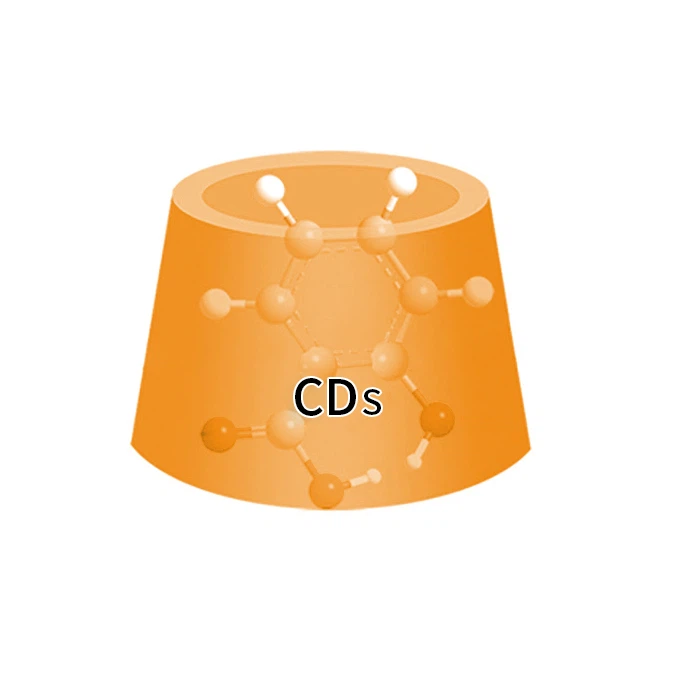
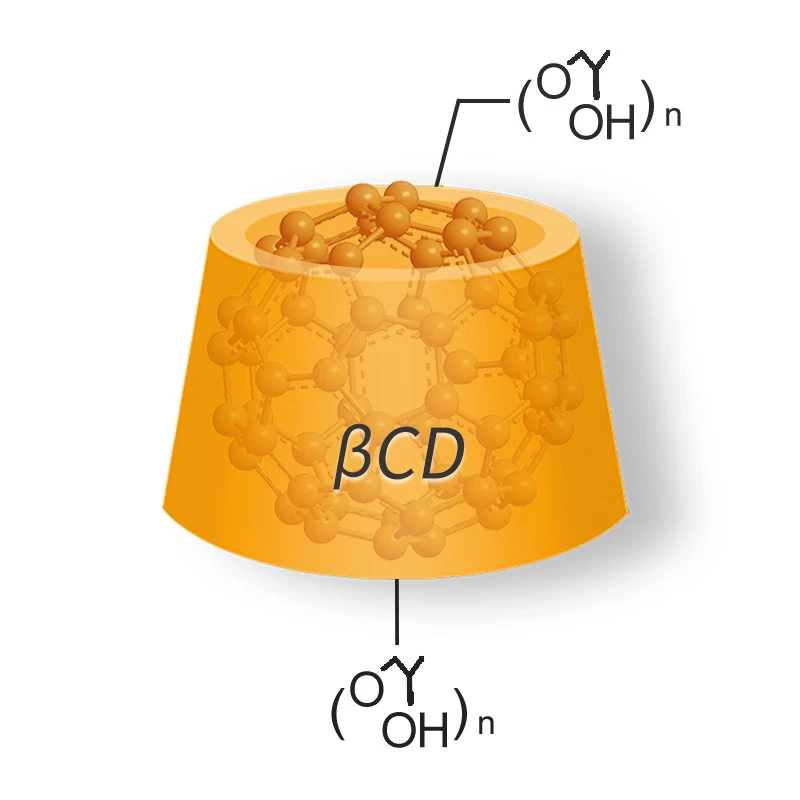
Our 10% Baicalein Inclusion Complex is a natural antioxidant that has been shown to have anti-inflammatory and anti-aging properties. It can help to protect the skin from damage caused by free radicals and UV radiation, reducing the appearance of fine lines and wrinkles. Our Fullerene Inclusion Complex is a powerful antioxidant that can help to improve the elasticity and firmness of the skin, reducing the appearance of sagging and dullness. Our 10% Water-soluble Salicylic Acid Inclusion Complex is a gentle exfoliant that can help to unclog pores, reduce acne, and improve the overall texture and appearance of the skin.
Conclusion
Conditioning agents are essential components of cosmetic products, playing a crucial role in enhancing the appearance, feel, and manageability of hair and skin. By understanding how these conditioning agents function, cosmetic formulators can create products that are effective, safe, and enjoyable to use. As a Cosmetic Raw Materials supplier, we are committed to providing our customers with the highest quality conditioning agents and other raw materials for their cosmetic formulations. If you are interested in learning more about our products or would like to discuss your specific needs, please do not hesitate to contact us for procurement and negotiation.
References
- Cosmetic Science and Technology, Third Edition, edited by Marcel Dekker
- The Chemistry of Cosmetics, by David Williams
- Handbook of Cosmetic Science and Technology, Second Edition, edited by Albert M. Kligman, Howard I. Maibach, and Peter J. Frosch


