

Chlorpropanol Cyclodextrin, a remarkable chemical compound, has gained significant attention in the field of catalysis due to its unique properties and potential applications. As a leading supplier of Chlorpropanol Cyclodextrin, we are excited to delve into the substrates that this compound can catalyze, shedding light on its versatility and value in various industries.

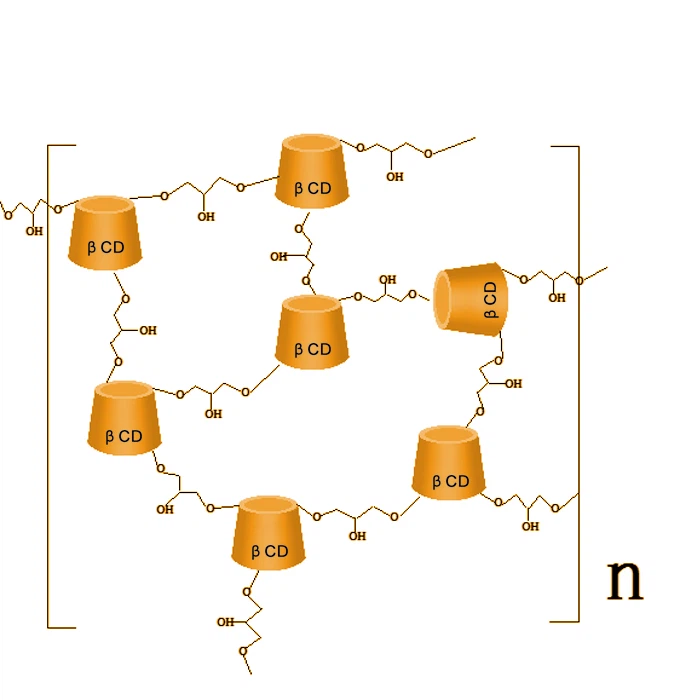
Understanding Chlorpropanol Cyclodextrin
Before we explore the substrates, it's essential to understand what Chlorpropanol Cyclodextrin is. Cyclodextrins are cyclic oligosaccharides composed of glucose units linked by α - 1,4 - glycosidic bonds. Chlorpropanol Cyclodextrin is a modified form of cyclodextrin where chlorpropanol groups are attached to the cyclodextrin backbone. This modification imparts specific catalytic properties to the cyclodextrin, making it capable of interacting with a wide range of substrates.
Substrates Catalyzed by Chlorpropanol Cyclodextrin
1. Organic Ester Hydrolysis
One of the primary substrates that Chlorpropanol Cyclodextrin can catalyze is organic esters. Organic esters are widely used in the pharmaceutical, food, and fragrance industries. The catalytic action of Chlorpropanol Cyclodextrin in ester hydrolysis involves the formation of an inclusion complex between the cyclodextrin cavity and the ester molecule. The hydroxyl groups on the cyclodextrin and the unique electronic environment created by the chlorpropanol groups facilitate the nucleophilic attack on the carbonyl carbon of the ester, leading to the cleavage of the ester bond and the formation of an alcohol and a carboxylic acid.
For example, in the hydrolysis of ethyl acetate, Chlorpropanol Cyclodextrin can significantly increase the reaction rate compared to the uncatalyzed reaction. This catalytic activity is beneficial in the synthesis of fine chemicals where the controlled hydrolysis of esters is required.
2. Epoxide Ring - Opening Reactions
Epoxides are highly reactive three - membered ring compounds that are important intermediates in organic synthesis. Chlorpropanol Cyclodextrin can catalyze the ring - opening reactions of epoxides. The cyclodextrin can interact with the epoxide molecule through non - covalent interactions such as hydrogen bonding and van der Waals forces. The presence of the chlorpropanol groups can enhance the electrophilicity of the epoxide carbon atoms, making them more susceptible to nucleophilic attack.
Nucleophiles such as water, alcohols, and amines can react with the epoxide in the presence of Chlorpropanol Cyclodextrin to form various products. For instance, when water is the nucleophile, the ring - opening reaction of an epoxide leads to the formation of a vicinal diol. This reaction is useful in the production of polyols and other functionalized compounds.
3. Aldol Condensation Reactions
Aldol condensation is a fundamental reaction in organic chemistry for the formation of carbon - carbon bonds. Chlorpropanol Cyclodextrin can act as a catalyst for aldol condensation reactions. The cyclodextrin can bring the aldehyde or ketone substrates into close proximity within its cavity, increasing the probability of reaction. The hydroxyl groups on the cyclodextrin can also participate in the reaction mechanism by acting as a base or an acid, depending on the reaction conditions.
In the aldol condensation of benzaldehyde and acetone, Chlorpropanol Cyclodextrin can promote the formation of the aldol product. This reaction is important in the synthesis of α,β - unsaturated carbonyl compounds, which are widely used in the pharmaceutical and materials industries.
4. Oxidation Reactions
Chlorpropanol Cyclodextrin can also play a role in oxidation reactions. It can interact with oxidizing agents and substrates to facilitate the transfer of oxygen atoms. For example, in the oxidation of alcohols to aldehydes or ketones, Chlorpropanol Cyclodextrin can enhance the reactivity of the oxidizing agent by forming a complex with it. The cyclodextrin can also selectively bind to the alcohol substrate, increasing its local concentration around the oxidizing agent and promoting the oxidation reaction.
This catalytic oxidation activity is valuable in the production of high - value chemicals such as aldehydes and ketones, which are important building blocks in the synthesis of pharmaceuticals, flavors, and fragrances.
Comparison with Other Cyclodextrin Derivatives
While Chlorpropanol Cyclodextrin has its unique catalytic properties, it's interesting to compare it with other cyclodextrin derivatives such as Hyperbranched Cyclodextrin, Cationic Cyclodextrin, and Hydroxybutyl Beta Cyclodextrin.
Hyperbranched Cyclodextrin has a highly branched structure, which provides a large number of active sites. However, its catalytic activity may be more focused on reactions that require a large surface area for substrate binding. Cationic Cyclodextrin, with its positive charge, is more suitable for catalyzing reactions involving anionic substrates or in systems where electrostatic interactions play a crucial role. Hydroxybutyl Beta Cyclodextrin is known for its high solubility and biocompatibility, which makes it more suitable for applications in the pharmaceutical and food industries.
In contrast, Chlorpropanol Cyclodextrin's catalytic activity is mainly due to the unique electronic and steric effects introduced by the chlorpropanol groups. It can catalyze a wide range of reactions under mild conditions, making it a versatile catalyst in organic synthesis.
Industrial Applications
The ability of Chlorpropanol Cyclodextrin to catalyze these substrates has significant industrial applications. In the pharmaceutical industry, it can be used in the synthesis of drug intermediates. For example, in the synthesis of anti - inflammatory drugs, the catalytic hydrolysis of esters or the ring - opening of epoxides can be crucial steps.
In the food industry, Chlorpropanol Cyclodextrin can be used in the flavor and fragrance synthesis. The aldol condensation reactions catalyzed by it can lead to the formation of new flavor compounds. Additionally, in the production of biofuels, the oxidation of alcohols catalyzed by Chlorpropanol Cyclodextrin can be used to improve the quality of the fuel.
Conclusion
In conclusion, Chlorpropanol Cyclodextrin is a powerful catalyst that can catalyze a variety of substrates including organic esters, epoxides, in aldol condensation reactions, and oxidation reactions. Its unique properties make it a valuable tool in organic synthesis and various industrial applications.
As a supplier of Chlorpropanol Cyclodextrin, we are committed to providing high - quality products to meet the diverse needs of our customers. If you are interested in exploring the catalytic potential of Chlorpropanol Cyclodextrin for your specific applications or would like to discuss purchasing options, please feel free to contact us. We look forward to the opportunity to collaborate with you and contribute to your success in the chemical and related industries.
References
- Bender, M. L.; Komiyama, M. Cyclodextrin Chemistry; Springer - Verlag: New York, 1978.
- Szejtli, J. Cyclodextrins and Their Inclusion Complexes; Akademiai Kiado: Budapest, 1982.
- D'Souza, V. T.; Lipkowitz, K. B. Chemical Reviews 1998, 98, 1743 - 1770.


